
Why Your Workout Should Match Your Goal
Training specificity links exercise demands to the abilities a person wants to improve, with transfer depending on more than visual similarity.
Wikis
Aerobic metabolism is the set of energy-yielding metabolic processes in which molecular oxygen ultimately serves as the final electron acceptor. In human cells, it allows carbohydrates, fatty acids, and some amino acids to be extensively oxidized while much of the released free energy is captured in ATP. Many of the central oxidative processes involved occur in mitochondria .1,2
During aerobic metabolism, nutrients are broken down to intermediates such as acetyl-CoA, which can enter the citric acid cycle. Oxidation reactions in these pathways transfer electrons to carriers including NAD⁺ and flavin cofactors, producing NADH and reduced flavins. These electrons are subsequently transferred through the mitochondrial respiratory chain .1,2
At the end of the respiratory chain, oxygen accepts electrons and protons and is reduced to water. Free energy released during electron transfer drives proton pumping across the inner mitochondrial membrane, creating an electrochemical gradient. ATP synthase uses this gradient to produce ATP from ADP and inorganic phosphate through oxidative phosphorylation. Oxygen therefore supports continued oxidation of reduced electron carriers even though many individual reactions in aerobic metabolism do not directly consume oxygen .1,2
Aerobic metabolism is distinct from ATP production that does not depend directly on oxygen. Glycolysis itself does not require oxygen and can continue without mitochondrial respiration if NAD⁺ is regenerated through reactions such as conversion of pyruvate to lactate. Aerobic metabolism, however, couples fuel oxidation to oxygen-dependent respiratory electron transfer and can extract substantially more usable energy from glucose than glycolysis alone .1
From this collection
Training specificity links exercise demands to the abilities a person wants to improve, with transfer depending on more than visual similarity.
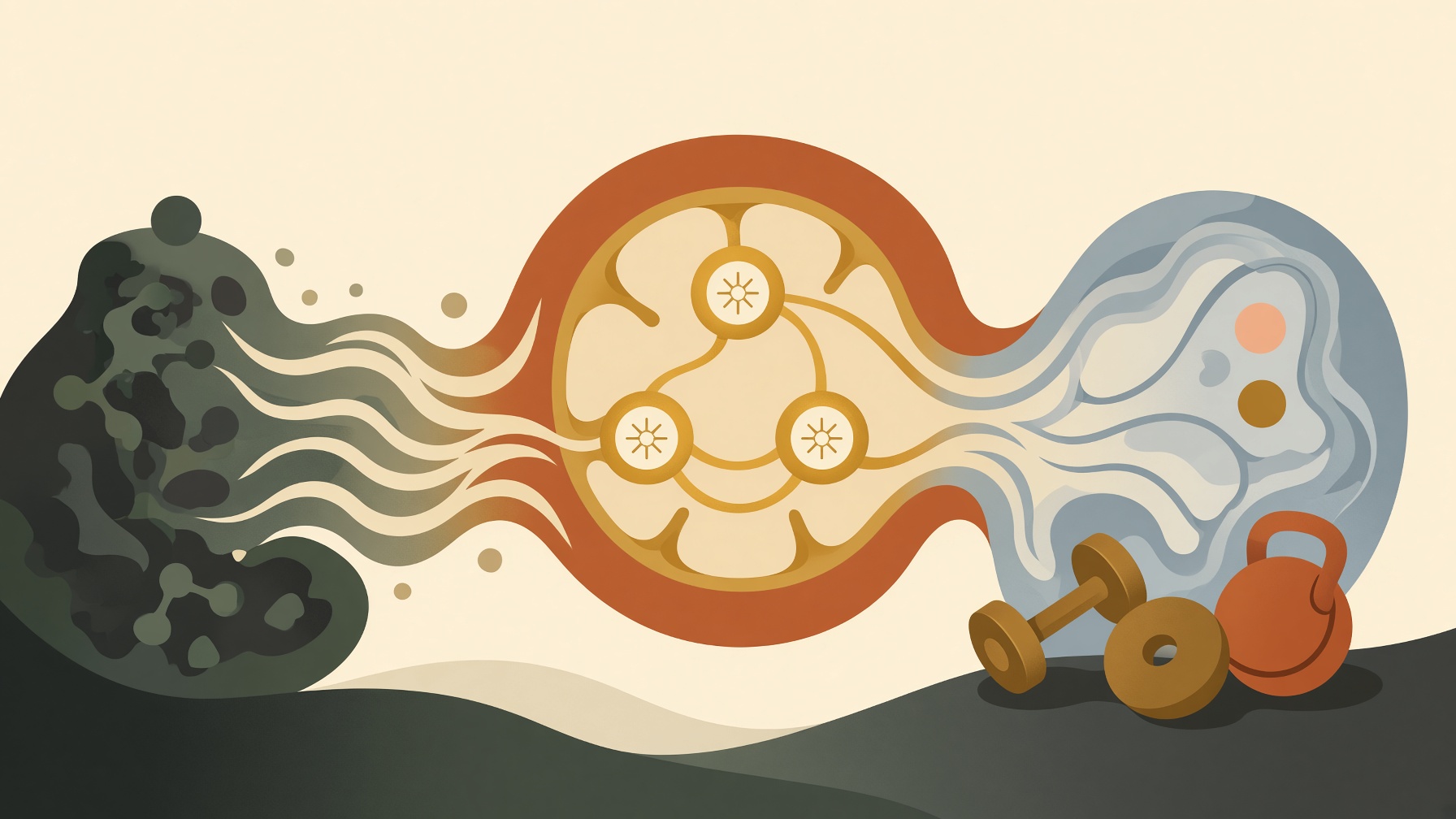
Exercise energy systems work together to replenish ATP, with intensity and duration shifting each pathway’s share rather than switching systems on.