
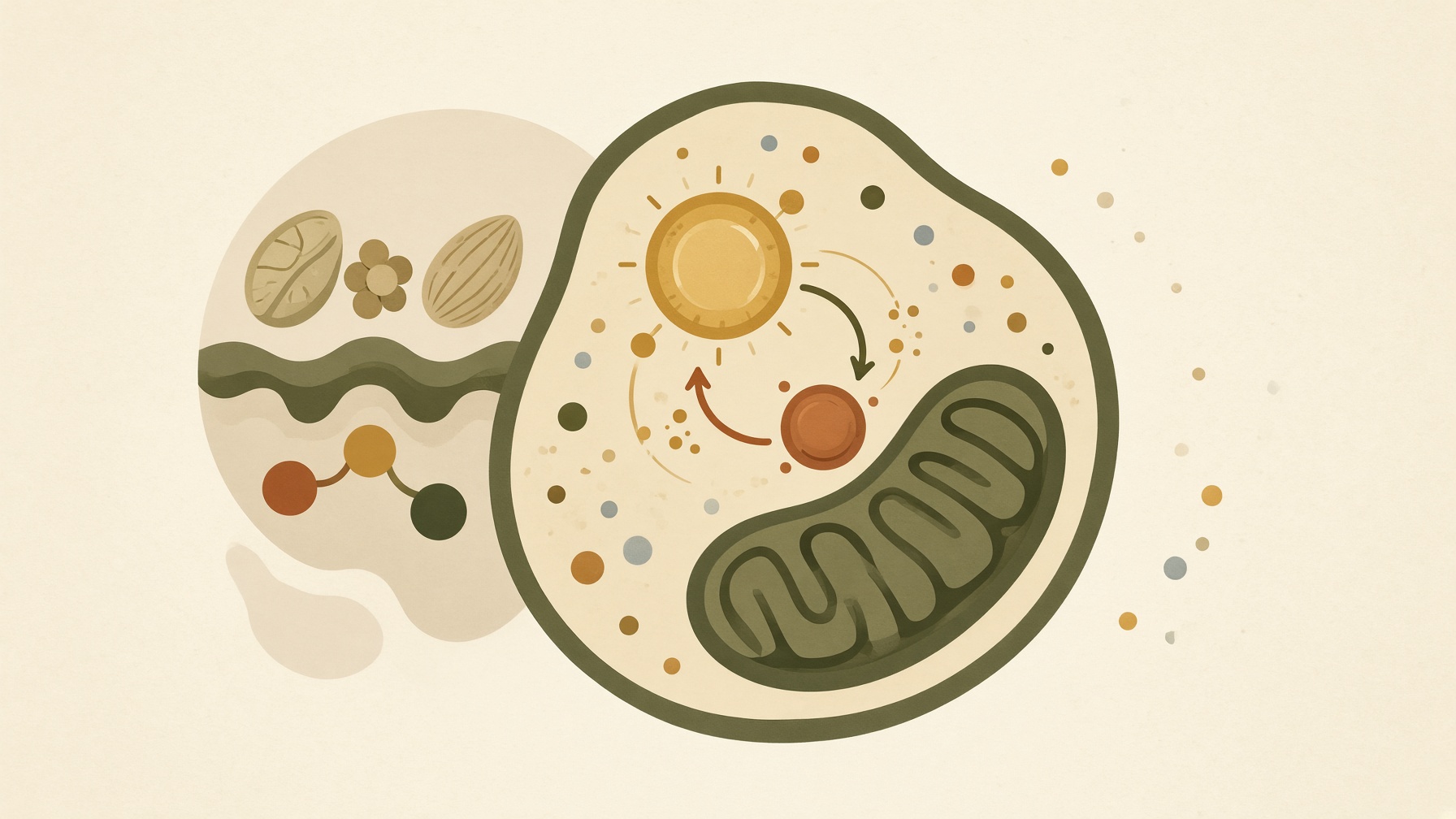
How Cells Keep Their Energy Supply Going
Cells repeatedly regenerate ATP as cellular work consumes the small available supply, making continuous turnover more important than stockpiling.
Wikis
Catabolism is the part of metabolism that breaks down larger or more complex molecules into smaller products. Catabolic pathways include the degradation of carbohydrates, fats, and amino acids. These reactions often release free energy, some of which cells capture in usable forms rather than allowing it to dissipate entirely as heat .1,2
Many catabolic pathways involve stepwise oxidation. During the breakdown of fuel molecules, electrons can be transferred to carriers such as NAD+, producing NADH. In aerobic metabolism, these electrons can ultimately enter the mitochondrial respiratory chain and contribute to ATP production. Catabolism can also generate ATP directly in certain reactions, such as during glycolysis .1,2
Major catabolic pathways are interconnected. Glucose can be degraded through glycolysis to pyruvate, while fatty acids are broken down through beta-oxidation and many amino acids enter metabolism after removal or transfer of their nitrogen-containing groups. Carbon from these different fuels can converge on acetyl-CoA or other metabolic intermediates and undergo further oxidation through the citric acid cycle .1
Catabolism is the counterpart of anabolism. Catabolism generally breaks molecules down and captures some of the released free energy, whereas anabolism uses energy and smaller building blocks to synthesize more complex molecules such as proteins, lipids, and glycogen. Together, catabolic and anabolic pathways form the interconnected reaction network known as metabolism .1,2
From this collection
Cells repeatedly regenerate ATP as cellular work consumes the small available supply, making continuous turnover more important than stockpiling.
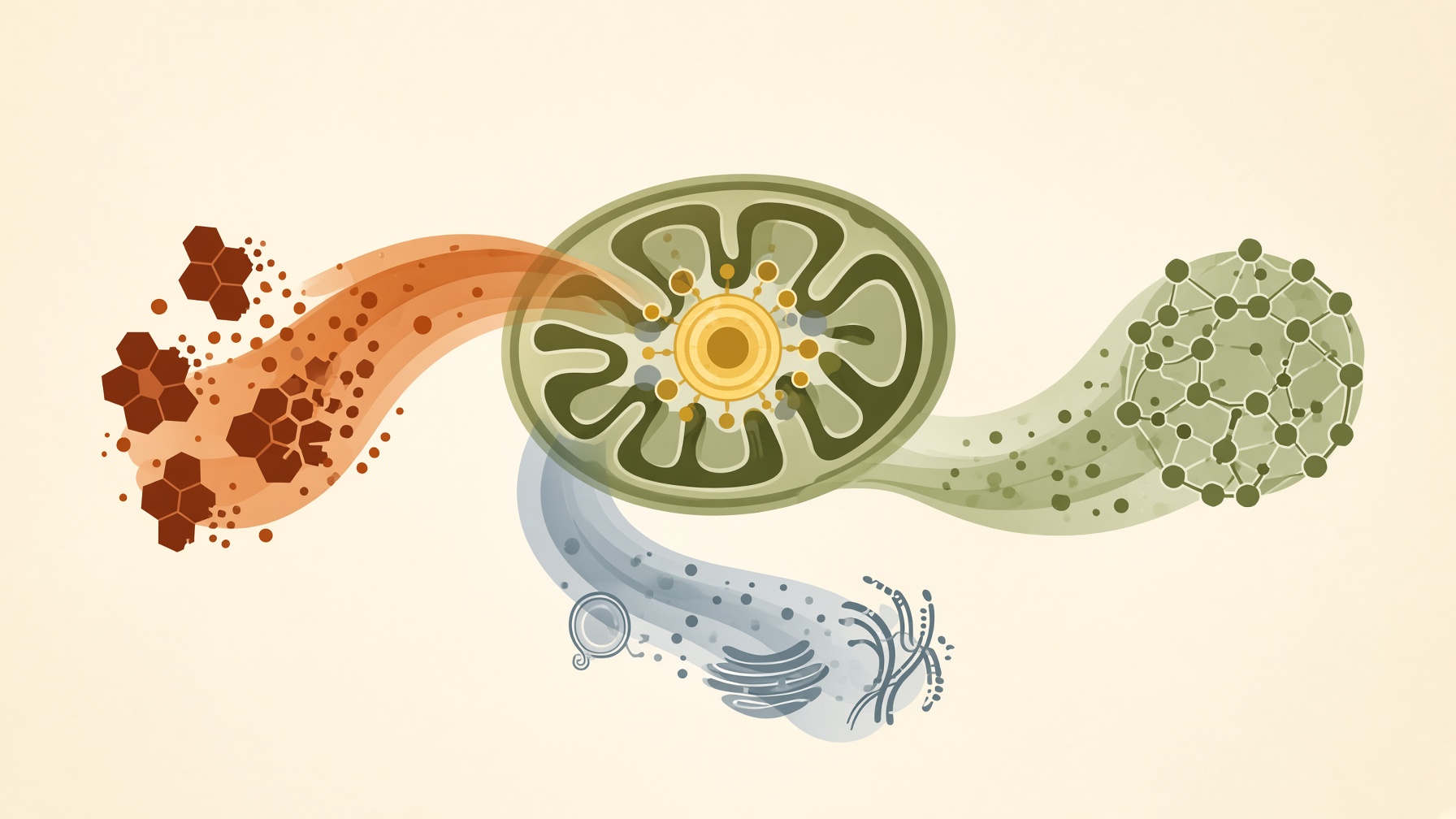
Metabolism links the breakdown and building of molecules through energy transfers, with ATP powering much of the work that cells perform.