
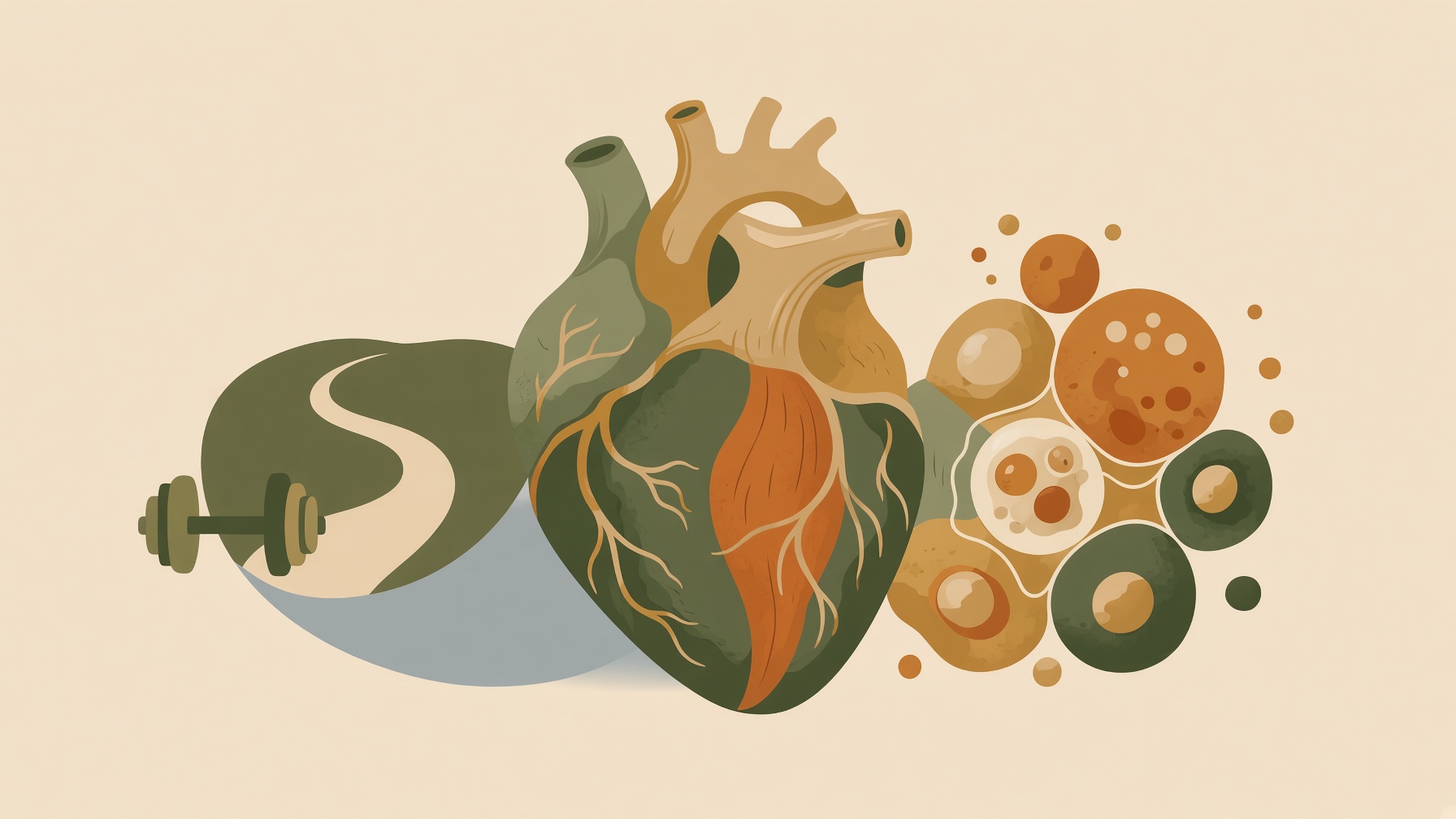
A Larger Heart Isn’t Always an Athlete’s Heart
Heart enlargement can reflect healthy training adaptations or disease, so a larger heart does not automatically mean an athlete’s heart.
Wikis
Hypertrophic cardiomyopathy (HCM) is a heart muscle disease characterized primarily by abnormal thickening of the left ventricular wall that cannot be adequately explained by another cardiac, systemic, or metabolic condition. In adults, a clinical diagnosis is typically supported by imaging showing a maximum left ventricular wall thickness of at least 15 mm, although lesser degrees of thickening can be significant in people with a family history of HCM or a pathogenic genetic variant .1,2
HCM is often inherited and frequently results from pathogenic variants in genes encoding proteins of the cardiac sarcomere, the molecular machinery responsible for heart muscle contraction. Commonly involved genes include MYH7 and MYBPC3, although a causative genetic variant is not identified in every person with clinically diagnosed HCM. The distribution of muscle thickening varies, with asymmetric thickening of the interventricular septum being common but not required for diagnosis .1,2
The thickened and structurally altered heart muscle can impair ventricular relaxation and filling. In some people, ventricular thickening together with abnormal movement of the mitral valve creates dynamic obstruction of blood flow from the left ventricle, called left ventricular outflow tract obstruction. HCM can also be associated with atrial fibrillation, heart failure, and ventricular arrhythmias, although its clinical course varies widely and some affected people remain asymptomatic .1,2
HCM is distinct from physiological cardiac hypertrophy, such as the adaptive enlargement that can occur with athletic training, and from ventricular hypertrophy explained by conditions such as longstanding high blood pressure or aortic stenosis. These conditions can also thicken the ventricular wall but have different underlying causes and are not themselves classified as HCM .1
From this collection
Heart enlargement can reflect healthy training adaptations or disease, so a larger heart does not automatically mean an athlete’s heart.