
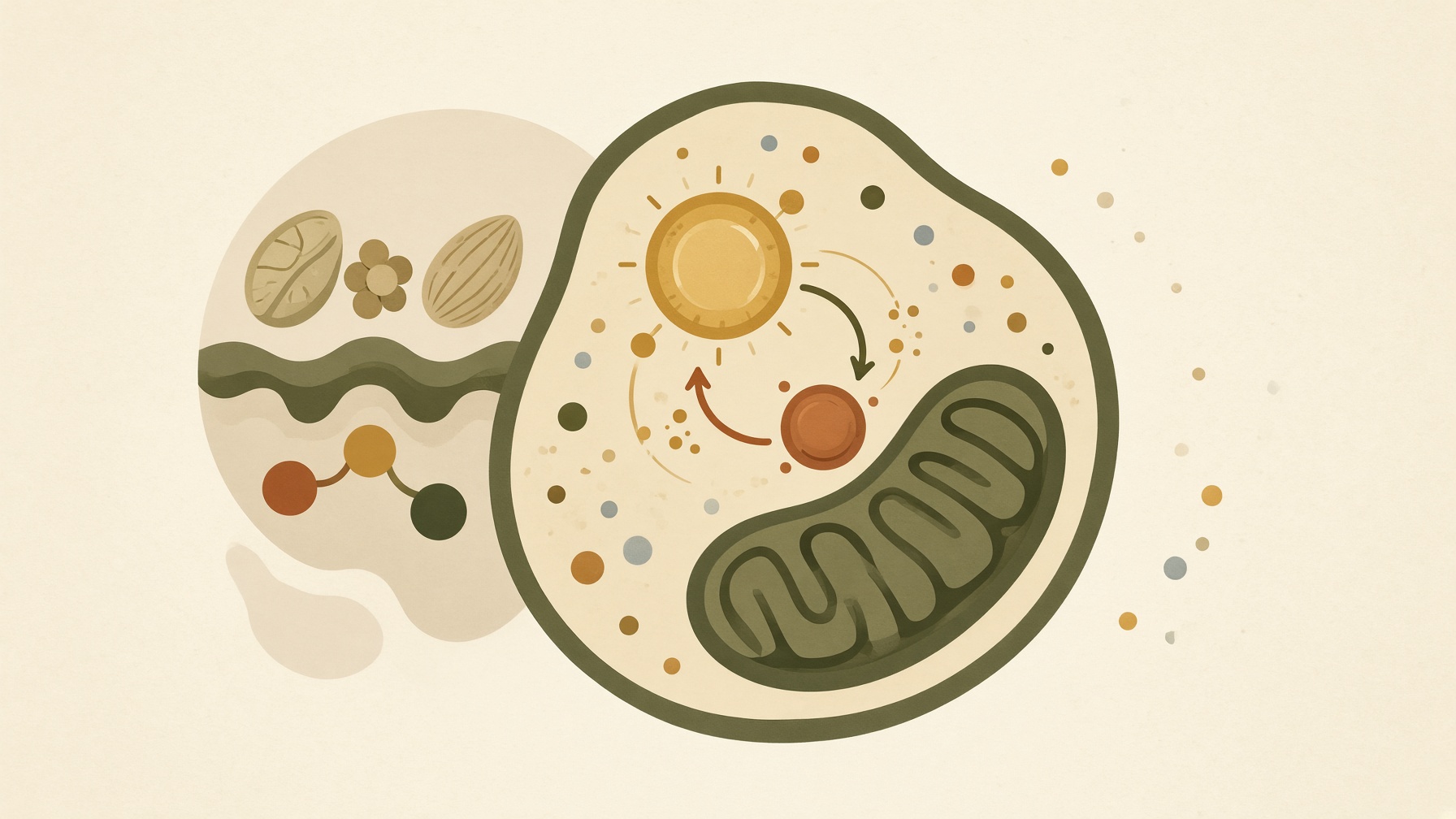
How Cells Keep Their Energy Supply Going
Cells repeatedly regenerate ATP as cellular work consumes the small available supply, making continuous turnover more important than stockpiling.
Wikis
Inorganic phosphate, commonly abbreviated Pi, refers to orthophosphate that is not covalently attached to an organic molecule. It is derived from phosphoric acid and exists in aqueous biological fluids mainly as a mixture of dihydrogen phosphate (H₂PO₄⁻) and hydrogen phosphate (HPO₄²⁻). Their relative proportions depend on pH .1
Inorganic phosphate participates in many fundamental biochemical reactions. One important example is ATP metabolism. When ATP is hydrolyzed to ADP, inorganic phosphate is one of the products. Conversely, ATP can be regenerated from ADP and inorganic phosphate during processes such as oxidative phosphorylation. Pi also participates in other metabolic reactions and contributes to acid-base buffering .1,2
Phosphate is also an important component of mineralized tissues. Most phosphorus in the human body is present in bone, primarily within calcium-phosphate mineral rather than as dissolved inorganic phosphate. Smaller pools of Pi occur in extracellular fluids and inside cells, where phosphate availability is closely connected to metabolism .1
Inorganic phosphate is distinct from phosphate groups covalently incorporated into organic molecules. ATP, DNA, RNA, phospholipids, and phosphorylated proteins contain bound phosphate groups, whereas the notation Pi specifically refers to inorganic orthophosphate. Pi is also distinct from pyrophosphate, which contains two linked phosphate units .1,2
From this collection
Cells repeatedly regenerate ATP as cellular work consumes the small available supply, making continuous turnover more important than stockpiling.
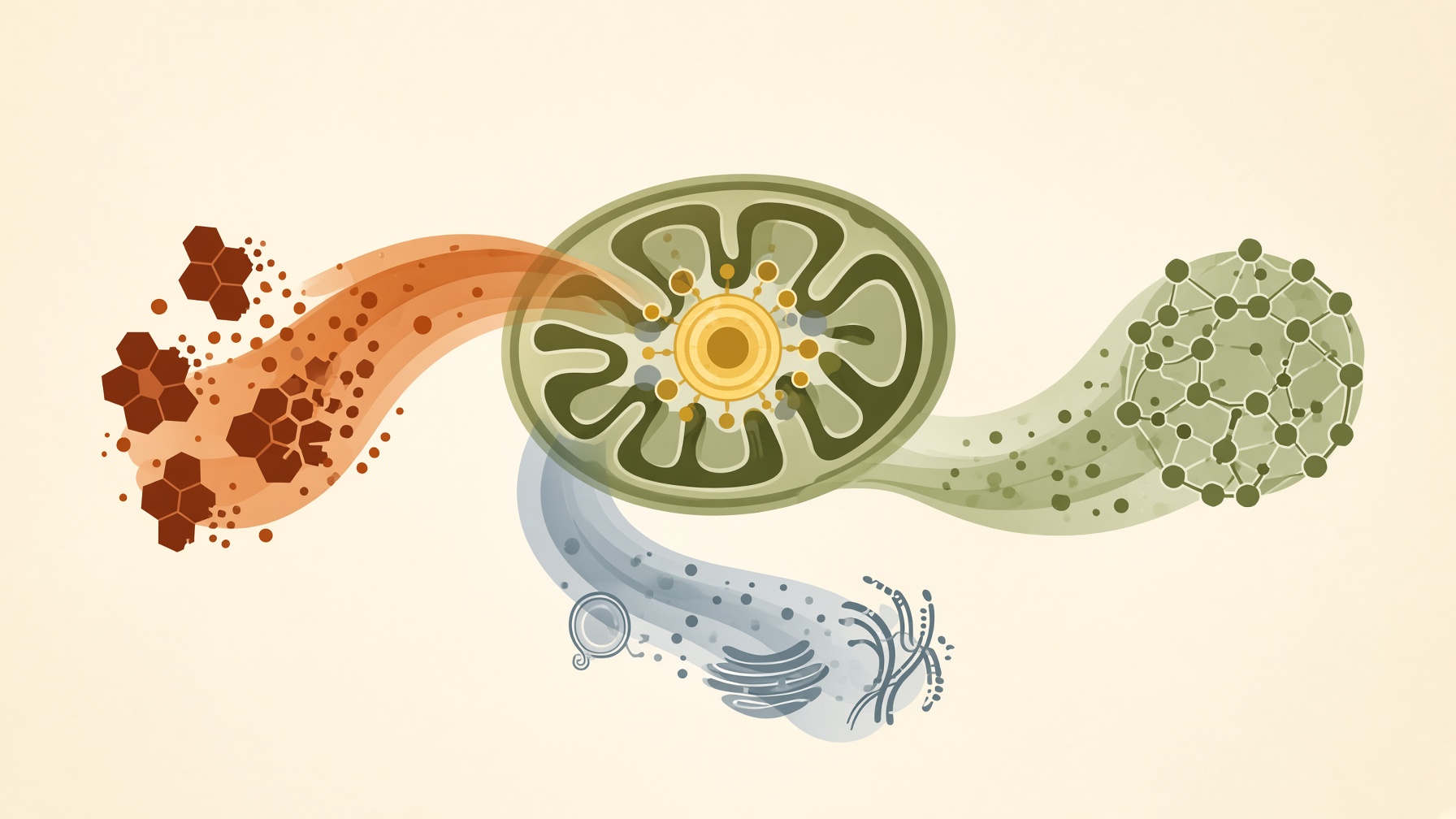
Metabolism links the breakdown and building of molecules through energy transfers, with ATP powering much of the work that cells perform.