
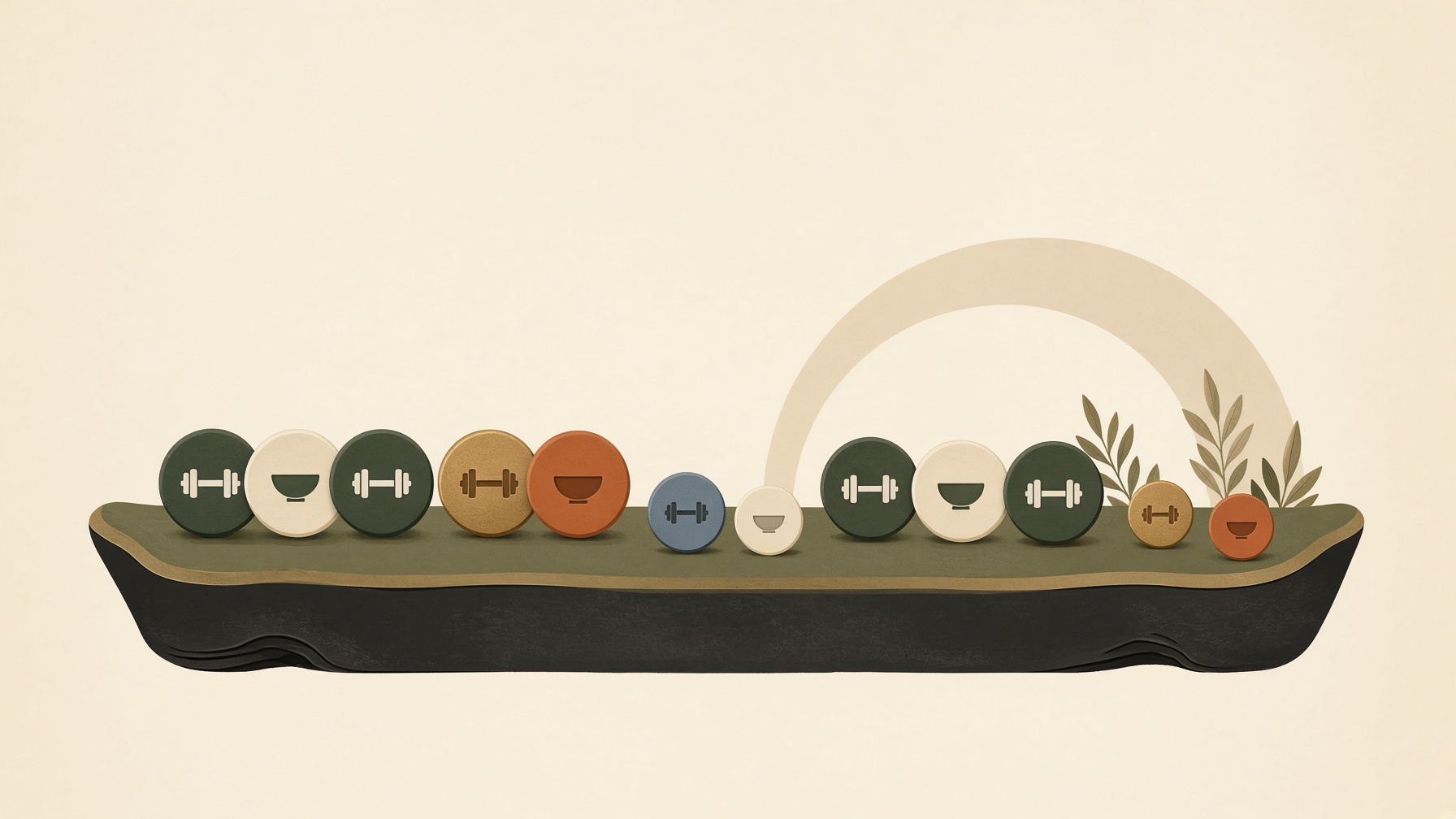
Missed a Few Days? Your Routine Isn’t Necessarily Back to Square One
Lapse and relapse describe different patterns of behavior change, but research offers no fixed number of missed days that separates the two.
Wikis
A lapse is a temporary return to an earlier behavior, but research definitions vary and a brief setback does not inevitably become relapse.
A lapse is a temporary or limited return to a previous behavior after a person has begun changing or reducing that behavior. In behavior-change and relapse research, the term is useful because it separates a brief setback from a more sustained return to an earlier pattern .1,2
The boundary between lapse and relapse depends on how a behavior is defined and measured. A lapse may be a single episode or a short period in which the previous behavior reappears, whereas relapse generally refers to a more prolonged or substantial return. The distinction is therefore partly temporal and partly based on severity, and researchers need clear operational definitions for the behavior being studied .1
A lapse does not necessarily lead to relapse. Relapse-prevention models treat a lapse as a point at which different outcomes remain possible: the person may return to the desired behavior, or the lapse may develop into a more persistent pattern. This is one reason the terms should not be used interchangeably. Calling every setback a relapse can obscure meaningful differences in the course of behavior change and can make research findings harder to compare .1,2
From this collection
Lapse and relapse describe different patterns of behavior change, but research offers no fixed number of missed days that separates the two.