
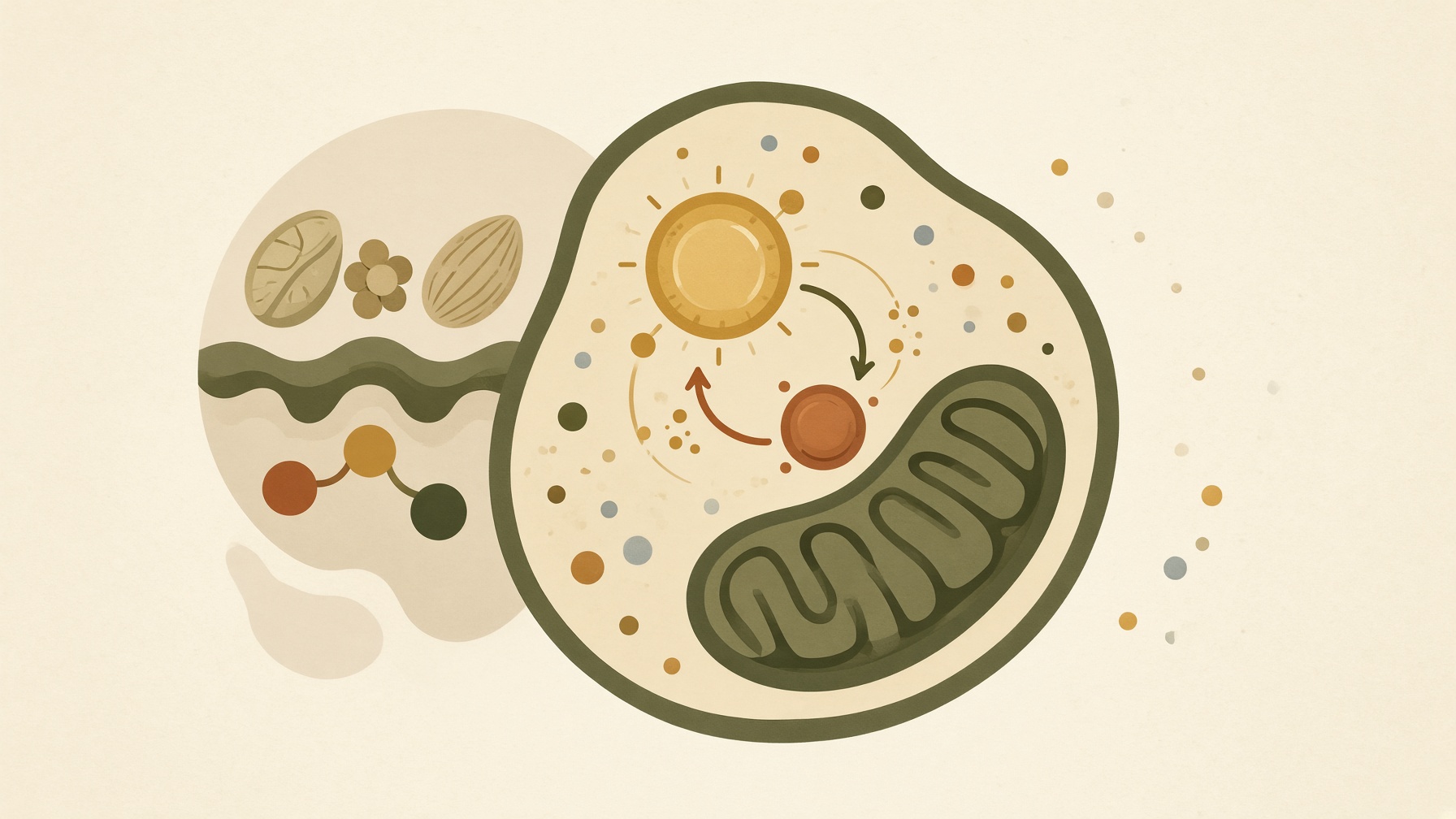
How Cells Keep Their Energy Supply Going
Cells repeatedly regenerate ATP as cellular work consumes the small available supply, making continuous turnover more important than stockpiling.
Wikis
Oxidative phosphorylation is the mitochondrial process that couples respiratory electron transfer to the synthesis of ATP from ADP and inorganic phosphate. In human cells that contain mitochondria, it takes place across the inner mitochondrial membrane and is a major route by which free energy derived from nutrient oxidation is used to produce ATP .1,2
Electrons enter the mitochondrial respiratory chain mainly from NADH and through FAD-linked dehydrogenase reactions associated with nutrient metabolism, including the citric acid cycle and fatty acid oxidation. As electron transfer proceeds, complexes I, III, and IV use released free energy to move protons from the mitochondrial matrix into the intermembrane space. Oxygen acts as the final electron acceptor at complex IV and is reduced to water .1,2
This proton movement creates an electrochemical proton gradient, also called the proton-motive force. Protons then flow back into the mitochondrial matrix through ATP synthase. Their movement drives rotational and conformational changes in ATP synthase that allow the enzyme to form ATP from ADP and inorganic phosphate. This coupling of electron transport, proton movement, and ATP synthesis is the central mechanism of oxidative phosphorylation .1,2
Oxidative phosphorylation is distinct from substrate-level phosphorylation. Substrate-level phosphorylation forms ATP or GTP through individual enzyme-catalyzed metabolic reactions and does not require an electron-transport chain or proton gradient. Oxidative phosphorylation, by contrast, depends on respiratory electron transfer and chemiosmotic coupling through ATP synthase .1
From this collection
Cells repeatedly regenerate ATP as cellular work consumes the small available supply, making continuous turnover more important than stockpiling.
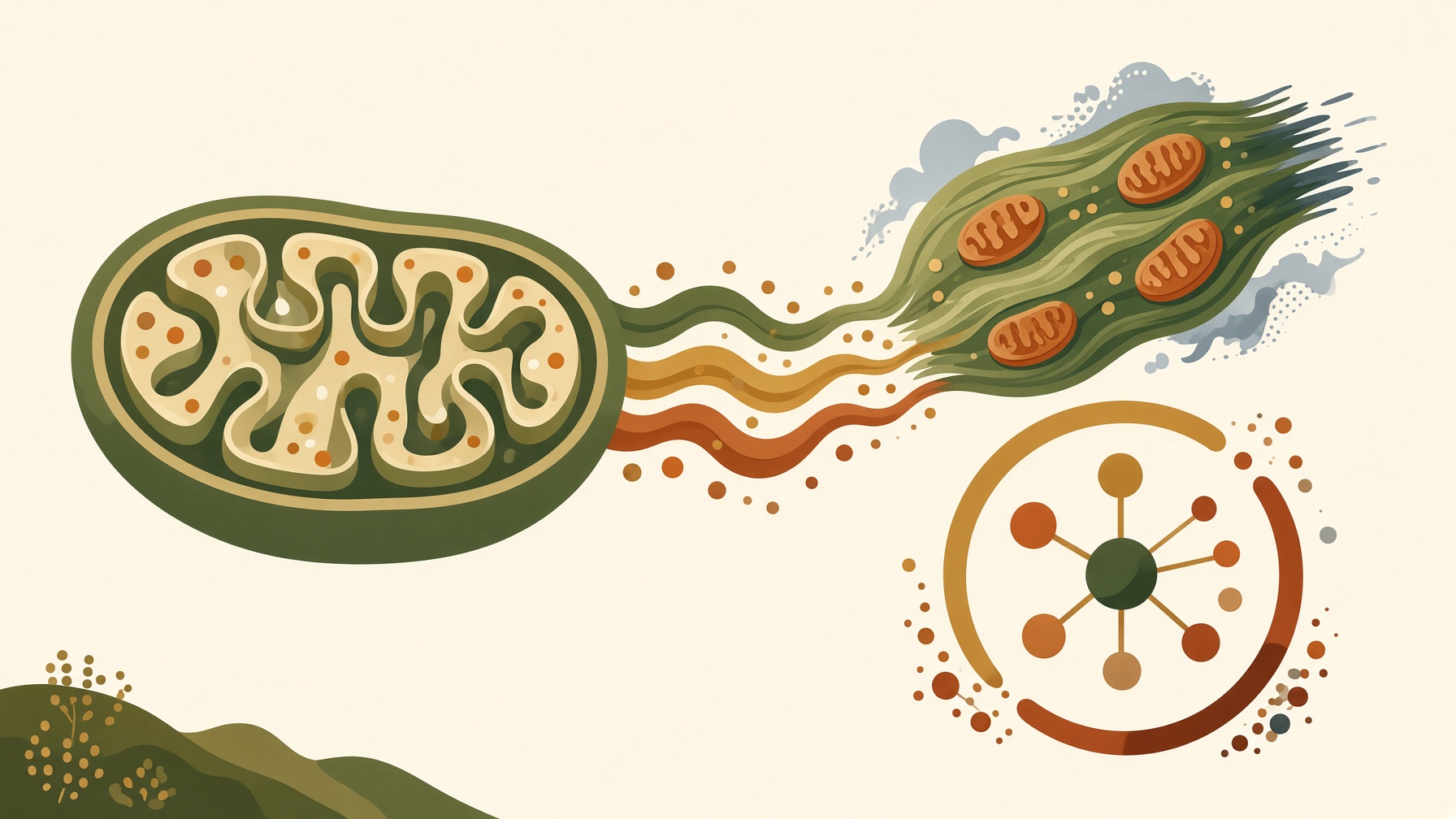
ATP regeneration draws on overlapping energy pathways whose contributions shift with exercise demands, keeping muscle work supplied with usable energy.
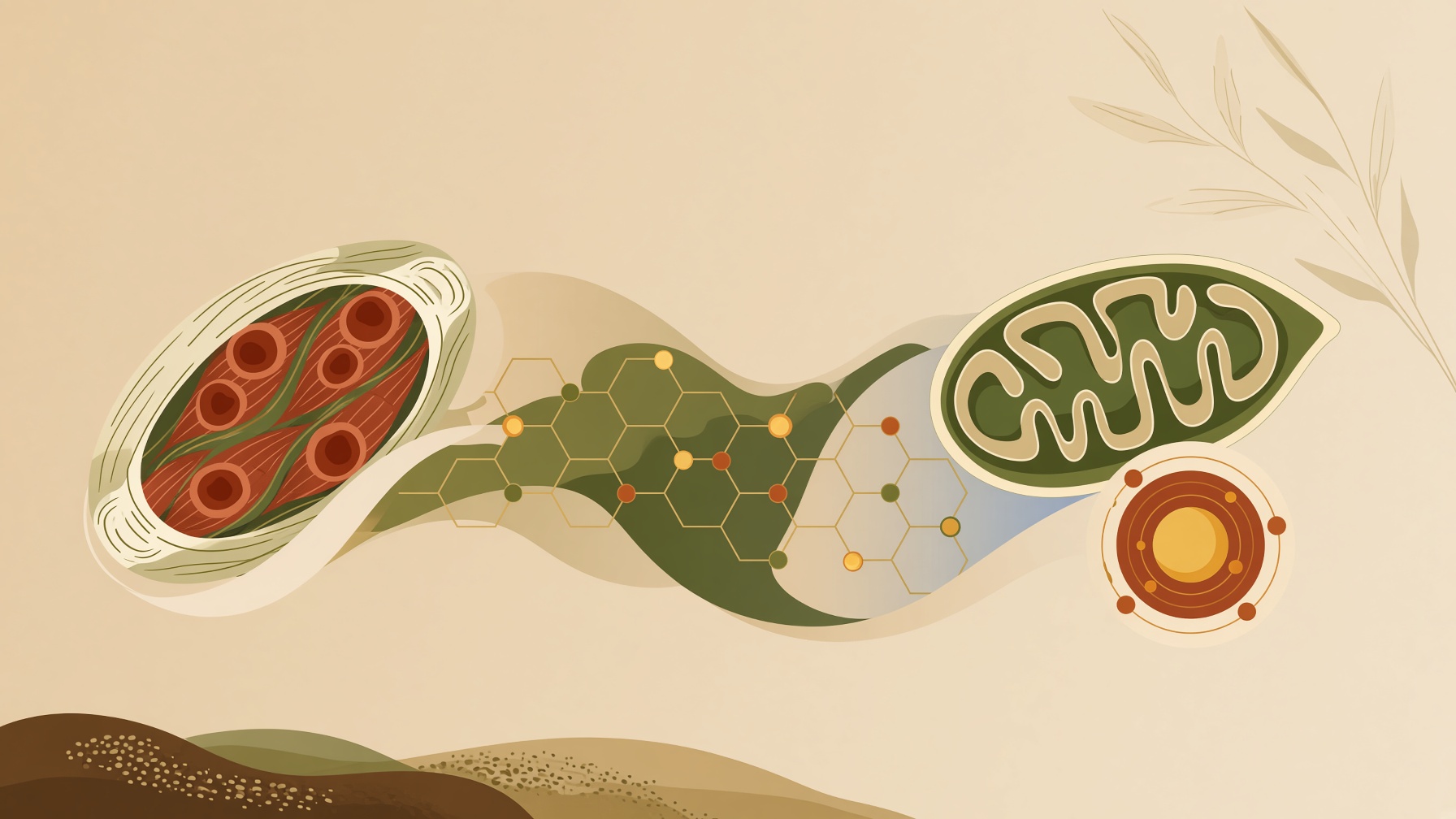
Glycolysis helps muscle replenish ATP quickly during intense exercise while other energy pathways continue contributing at the same time.