
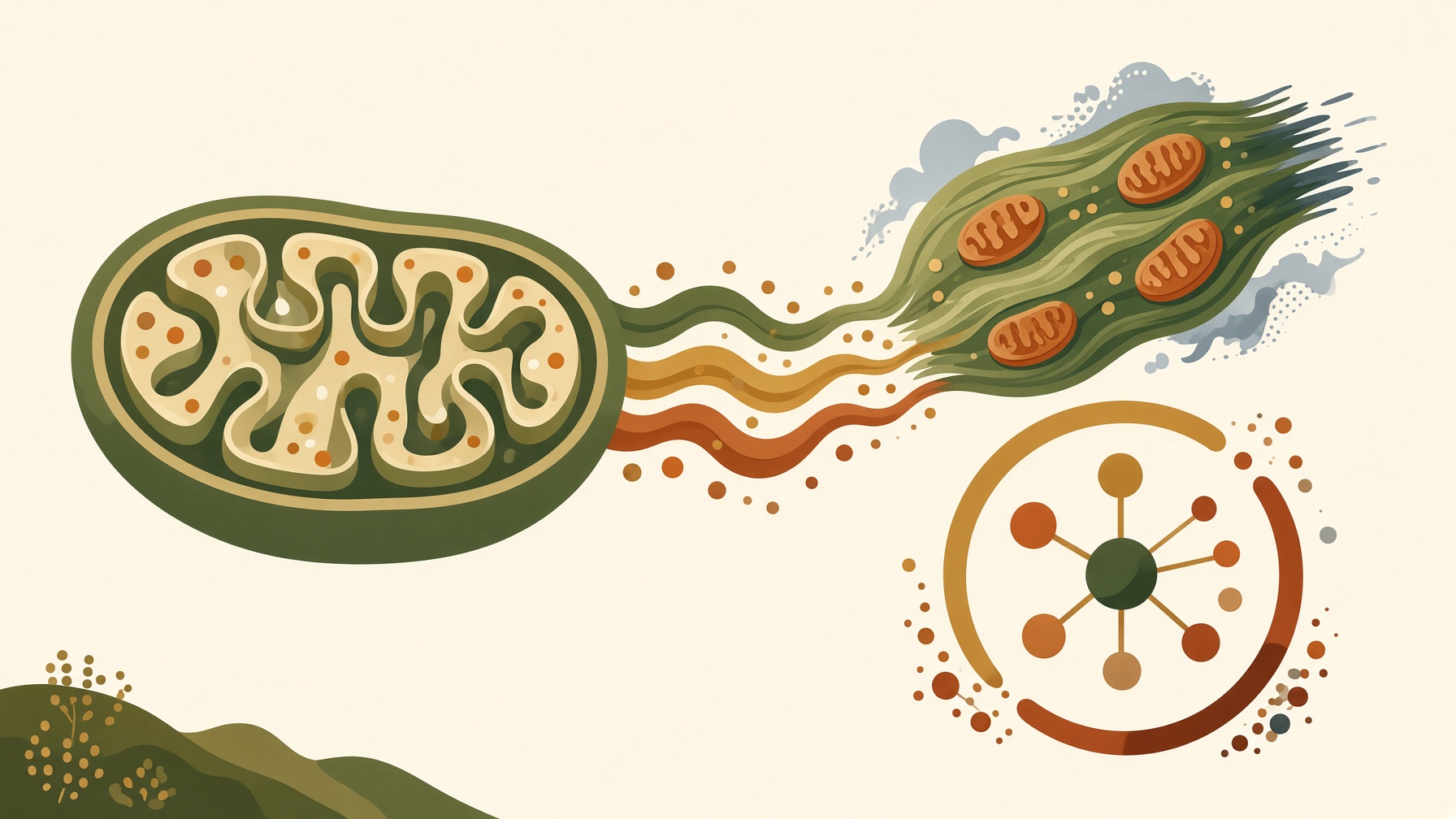
How Your Body Produces Energy During Exercise?
ATP regeneration draws on overlapping energy pathways whose contributions shift with exercise demands, keeping muscle work supplied with usable energy.
Wikis
Phosphocreatine, also called creatine phosphate, is a phosphorylated form of creatine that serves as a rapidly available reserve of transferable phosphoryl groups in cells. It is especially important in tissues whose energy demand can change quickly, including skeletal muscle, heart muscle, and brain. Phosphocreatine is produced when the enzyme creatine kinase transfers a phosphoryl group from ATP to creatine .1
The creatine kinase reaction is reversible. When ATP demand suddenly increases, phosphocreatine can transfer its phosphoryl group to ADP, rapidly regenerating ATP. This reaction helps keep cellular ATP concentrations relatively stable during short periods when ATP consumption temporarily exceeds the rate at which metabolic pathways can replace it .1,2
In skeletal muscle, phosphocreatine provides an immediate phosphoryl buffer at the beginning of contraction and during brief, high-intensity activity. Its concentration falls as it is used to regenerate ATP and rises again during recovery as ATP is used to re-form phosphocreatine. The creatine kinase system can also help transfer high-energy phosphoryl groups between sites of ATP production and sites where ATP is consumed .1,2
Phosphocreatine is distinct from both creatine and ATP. Creatine is the unphosphorylated molecule, whereas phosphocreatine carries a transferable phosphoryl group. ATP is directly used in many energy-requiring cellular processes, while phosphocreatine functions mainly as a rapidly accessible buffer that helps regenerate ATP when demand changes abruptly .1,2
From this collection
ATP regeneration draws on overlapping energy pathways whose contributions shift with exercise demands, keeping muscle work supplied with usable energy.
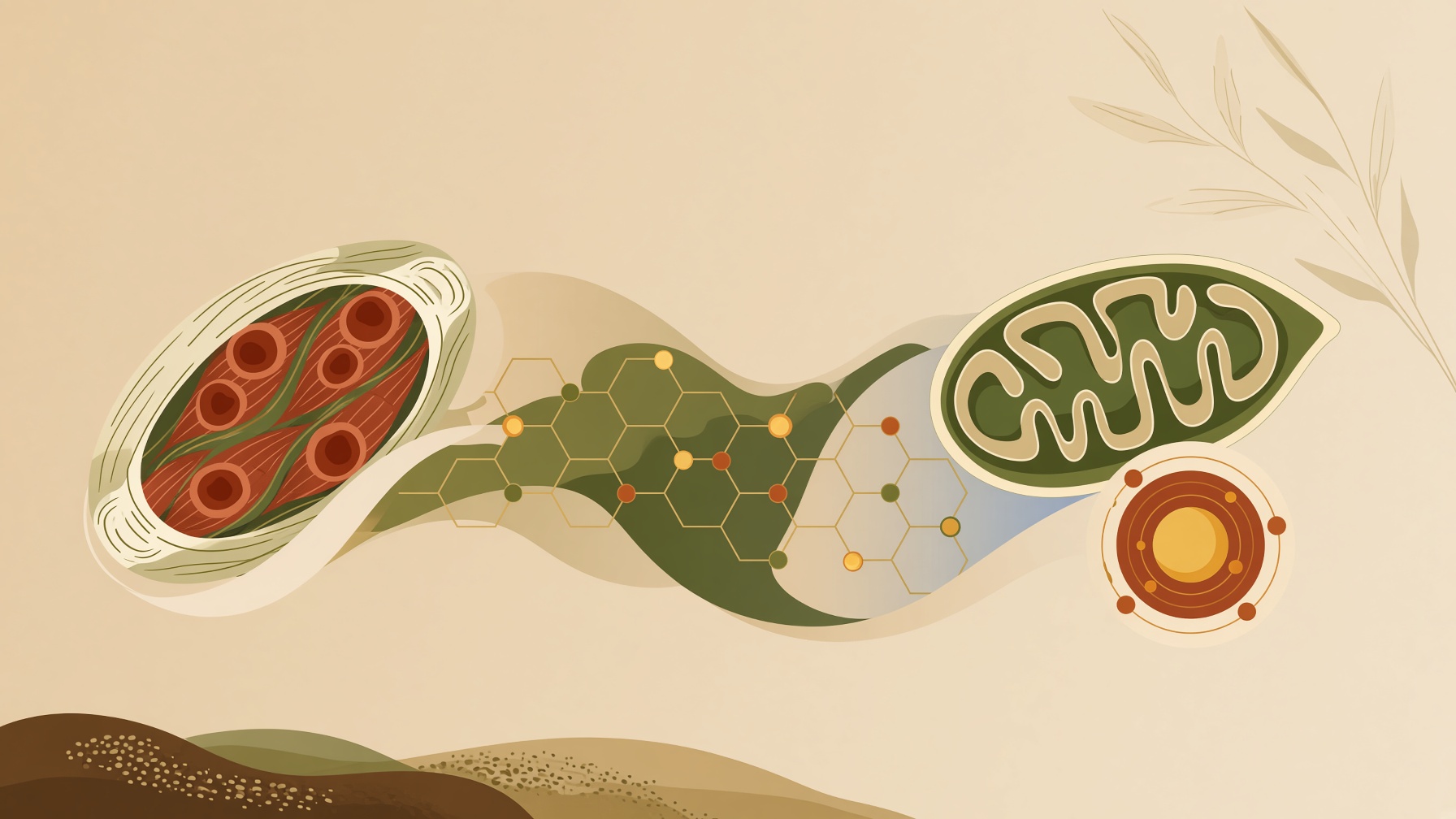
Glycolysis helps muscle replenish ATP quickly during intense exercise while other energy pathways continue contributing at the same time.
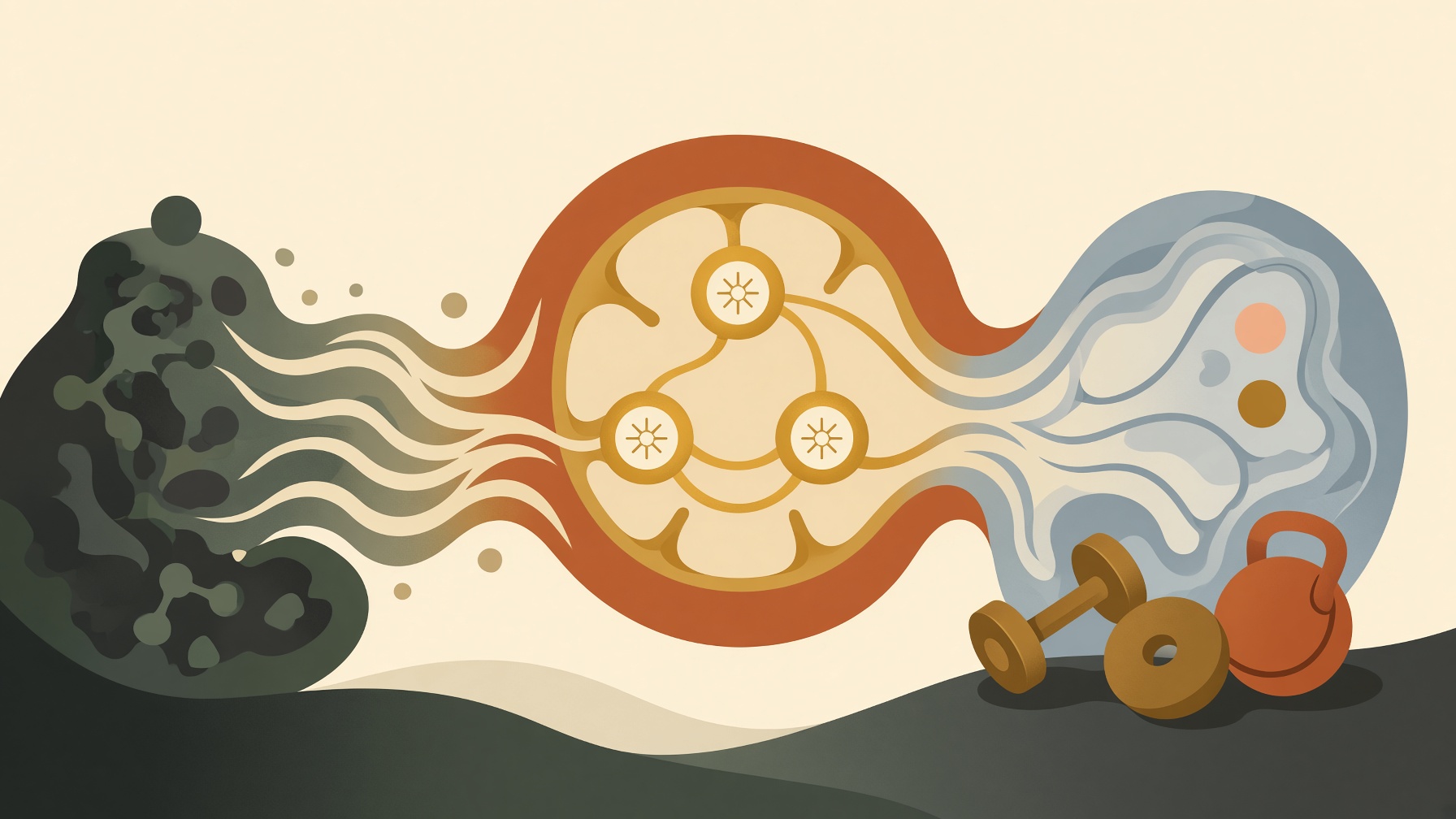
Exercise energy systems work together to replenish ATP, with intensity and duration shifting each pathway’s share rather than switching systems on.