
What Actually Makes You Feel Thirsty?
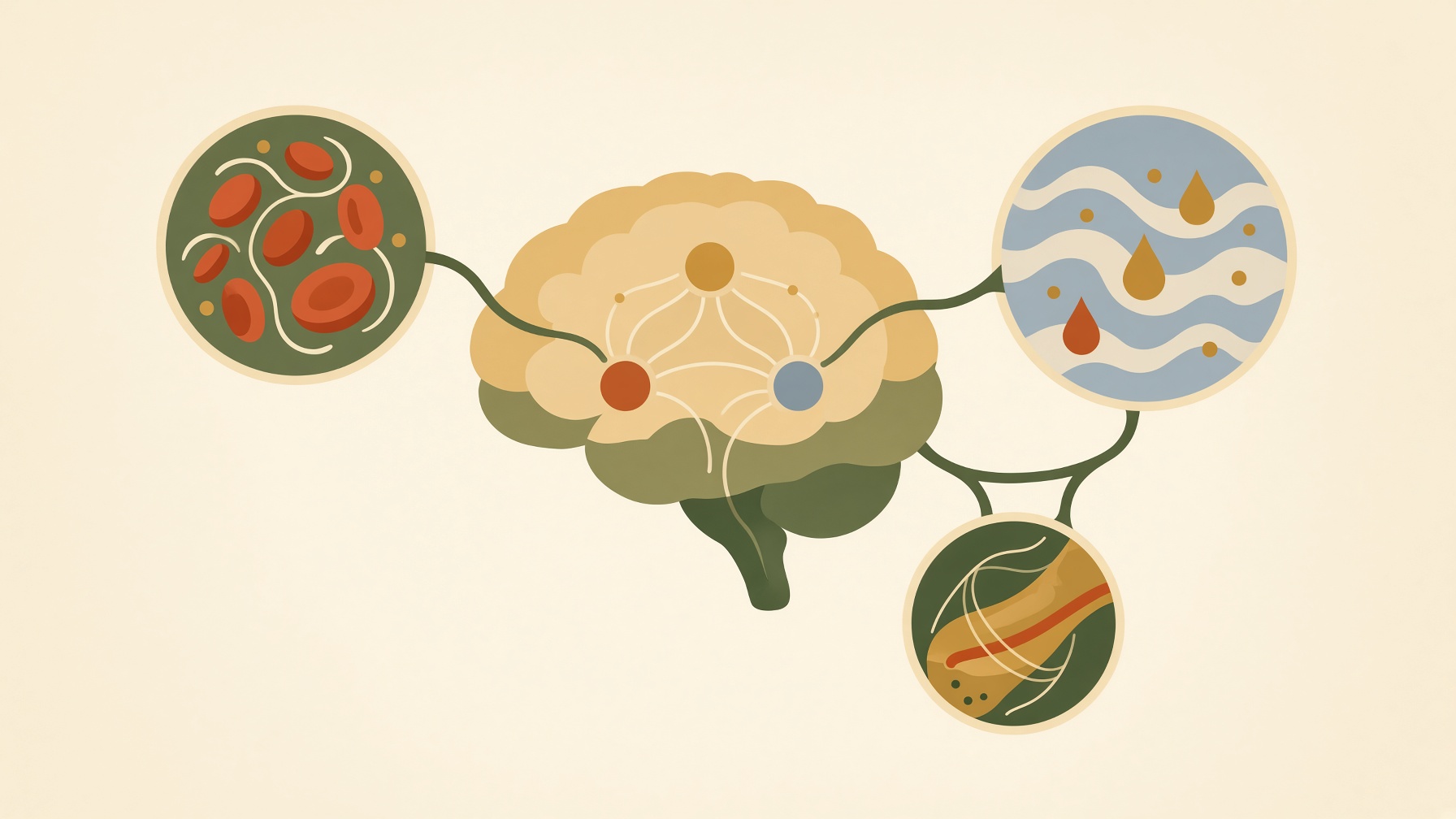
Thirst responds to changes in body-fluid balance, but signals from drinking can reduce the urge before water fully corrects the imbalance.
Wikis
Plasma tonicity is the effective osmotic concentration of plasma, meaning the concentration of dissolved substances that can produce sustained water movement across cell membranes and thereby change cell volume. It depends on solutes that remain sufficiently restricted across cell membranes to maintain an osmotic gradient between extracellular and intracellular fluid .1,2
Sodium and its accompanying anions are normally the major determinants of plasma tonicity. Other substances can also contribute when they remain mainly in the extracellular fluid. For example, markedly elevated glucose can increase plasma tonicity by drawing water out of cells. Mannitol, when present in the circulation, can have a similar effect .1,2
Plasma tonicity is closely related to, but distinct from, plasma osmolality. Osmolality reflects the concentration of all dissolved particles, regardless of whether they can cross cell membranes. Tonicity includes the osmotically effective particles that produce sustained water shifts. Urea illustrates the distinction: it contributes to measured plasma osmolality but crosses cell membranes readily enough that it usually contributes little to tonicity .1,2
Changes in plasma tonicity alter the distribution of water between extracellular and intracellular compartments. Hypertonic plasma draws water out of cells, causing them to shrink, whereas hypotonic plasma promotes water movement into cells, causing them to swell. Plasma tonicity therefore describes the osmotic environment that influences cell water balance .1
From this collection
Thirst responds to changes in body-fluid balance, but signals from drinking can reduce the urge before water fully corrects the imbalance.