
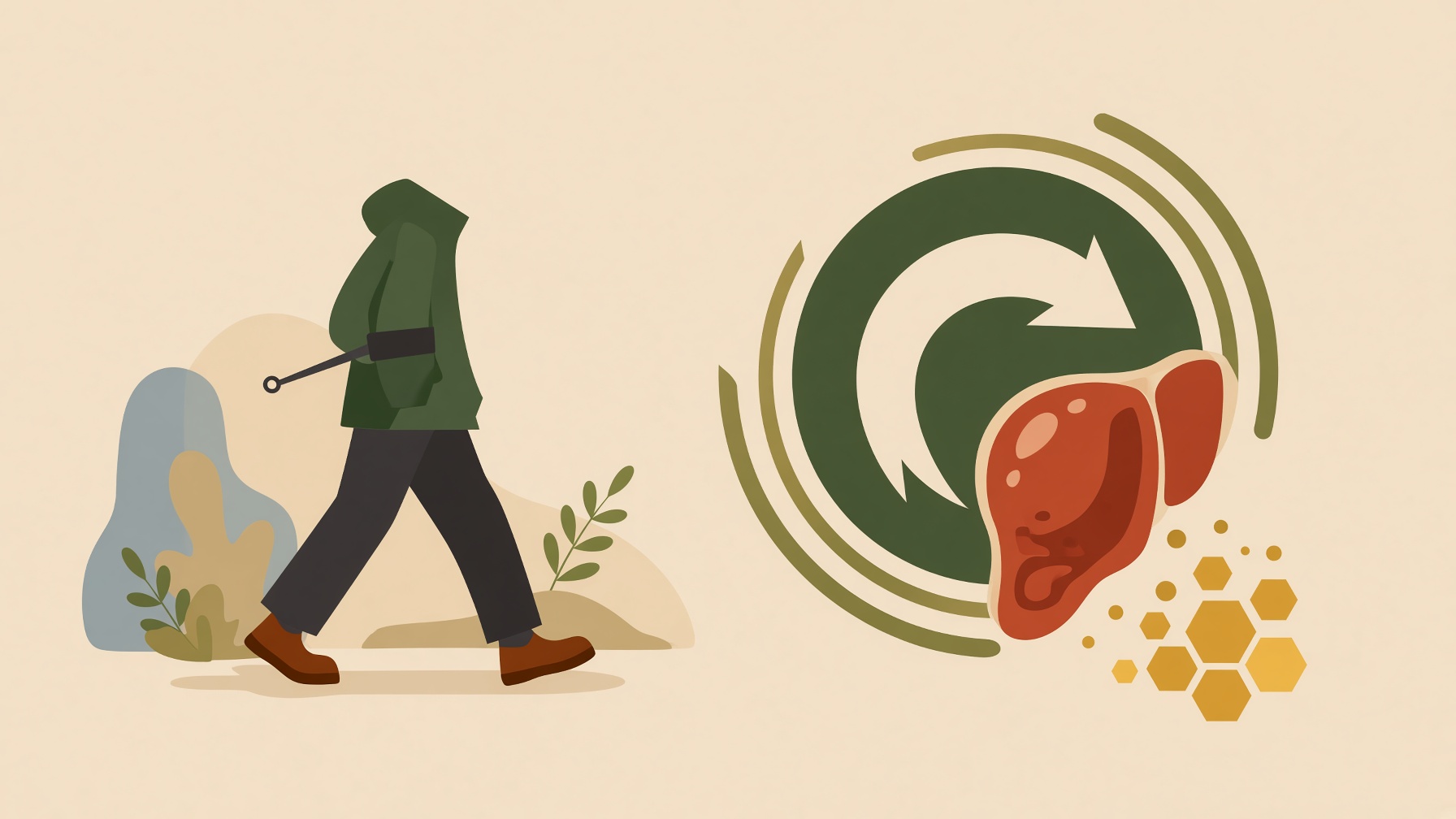
If the legs are doing the walking, swinging the arms can seem like extra work. A walk with still arms might look simpler, especially if the pace stays the same. Would it also take less energy?
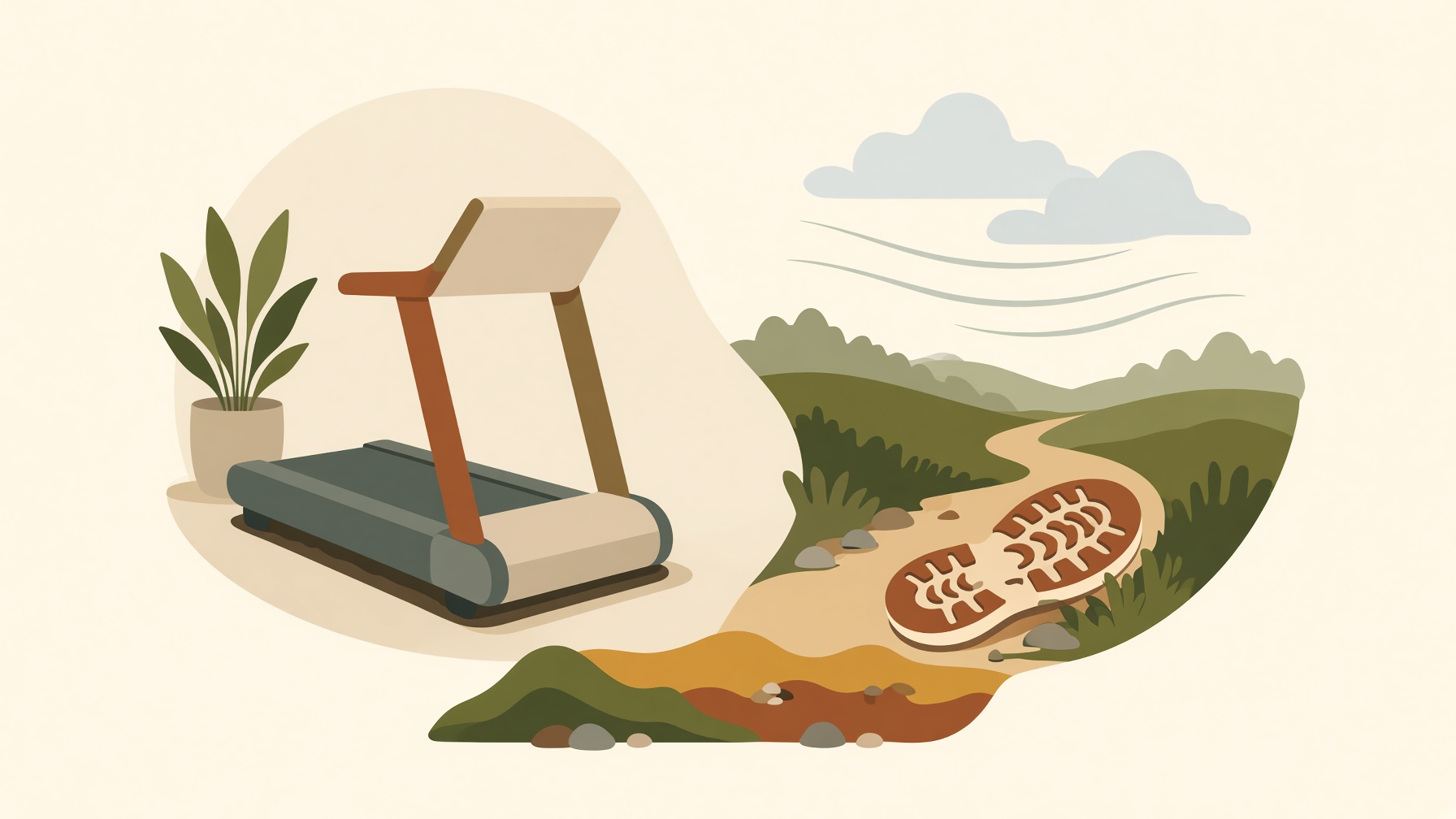
In a treadmill experiment, twelve healthy, active young adults and twelve healthy, active older adults walked at 1.3 meters per second with normal arm swing or their arms folded across the chest. Without external stabilization, folding the arms increased estimated net metabolic power by about 5% in the younger group and 6% in the older group.1
Metabolic power describes how quickly the body uses energy. Here it was estimated from oxygen and carbon dioxide measurements, with quiet-standing energy use subtracted. The percentages refer to that remaining demand, rather than the total calories used during a walk. The comparison also changed arm posture, so it cannot isolate missing swing alone.1
The arms can help offset the rotational effects of the moving legs. Their counter-motion can reduce the twisting demands about a vertical axis where the feet meet the ground. This concerns rotation, even though the familiar arm movement is back and forth. Force and movement measurements in a separate experiment with healthy adults support these mechanical effects as a plausible contribution to walking economy.2
Keeping the arms still may also take effort. In that experiment, voluntarily holding them at the sides, with the wrists slightly behind the hips, required more net metabolic power than having them held in place with bandages. The bandages supplied the restraint in one condition; in the other, participants had to prevent the movement themselves. That contrast points to a possible cost of suppressing movement alongside the mechanical consequences of losing normal counter-motion. The measurements did not identify which muscles used extra energy or determine how much each explanation contributed.2
These tested postures do not establish the energy cost or health effects of walking with hands in pockets or carrying something.1,2
Keeping the arms still is an understandable idea when you're trying to leave out what looks like extra work. But how a walk looks and how much effort it takes are different questions. Thinking about the entire movement means including the arms, even though they're not the parts taking the steps.
Join the discussion
No account or email is required. Your display name and comment will be public.