

Do Women Need Different Recovery Nutrition?
Recovery nutrition research in female athletes remains too limited to justify rigid menstrual-cycle diets, despite real hormonal differences.
Themes
From this collection
Recovery nutrition research in female athletes remains too limited to justify rigid menstrual-cycle diets, despite real hormonal differences.
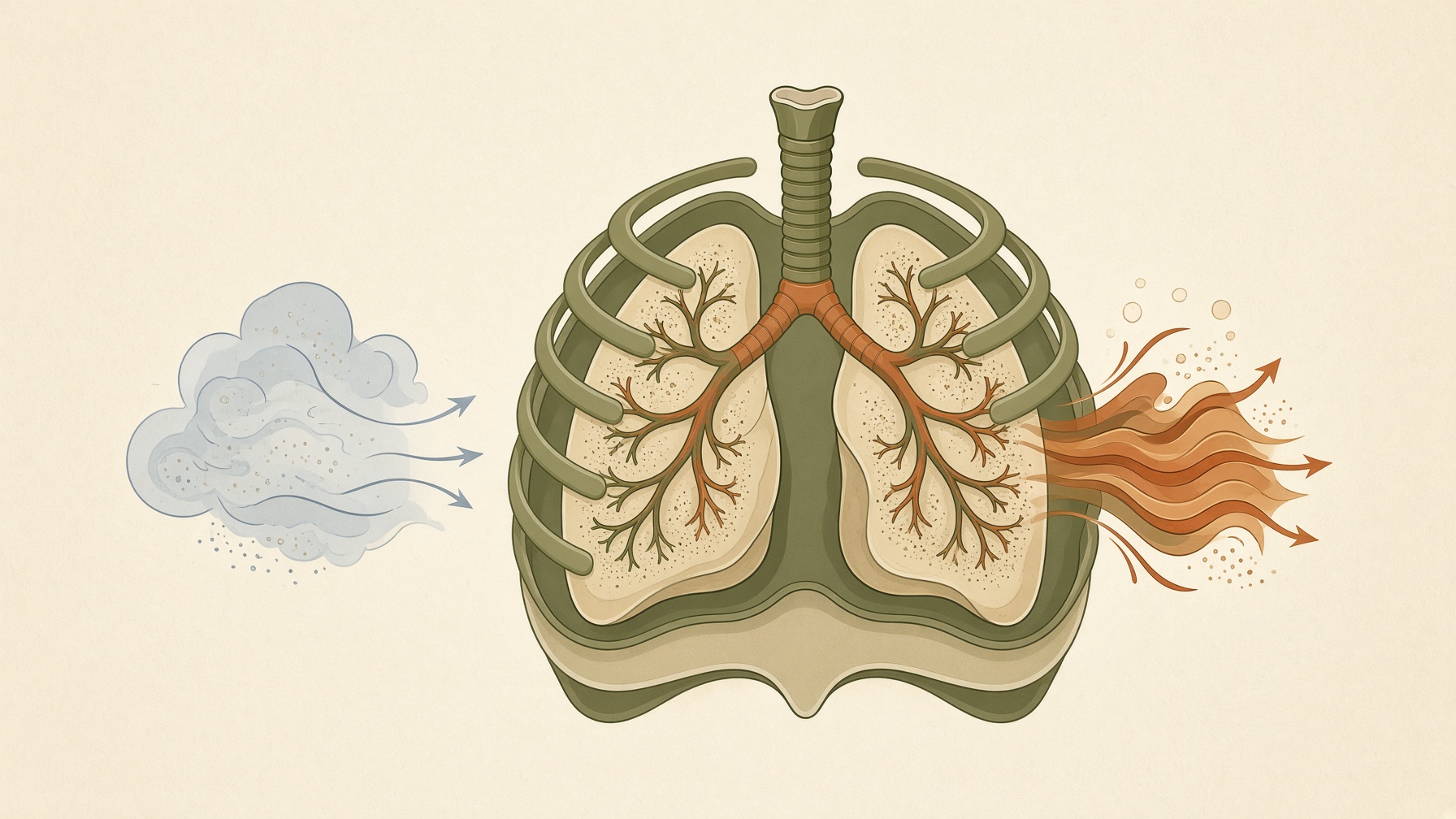
Breathing moves air through pressure differences created as the lungs expand and recoil, with airflow traveling from higher to lower pressure.

Cells repeatedly regenerate ATP as cellular work consumes the small available supply, making continuous turnover more important than stockpiling.

ATP regeneration draws on overlapping energy pathways whose contributions shift with exercise demands, keeping muscle work supplied with usable energy.
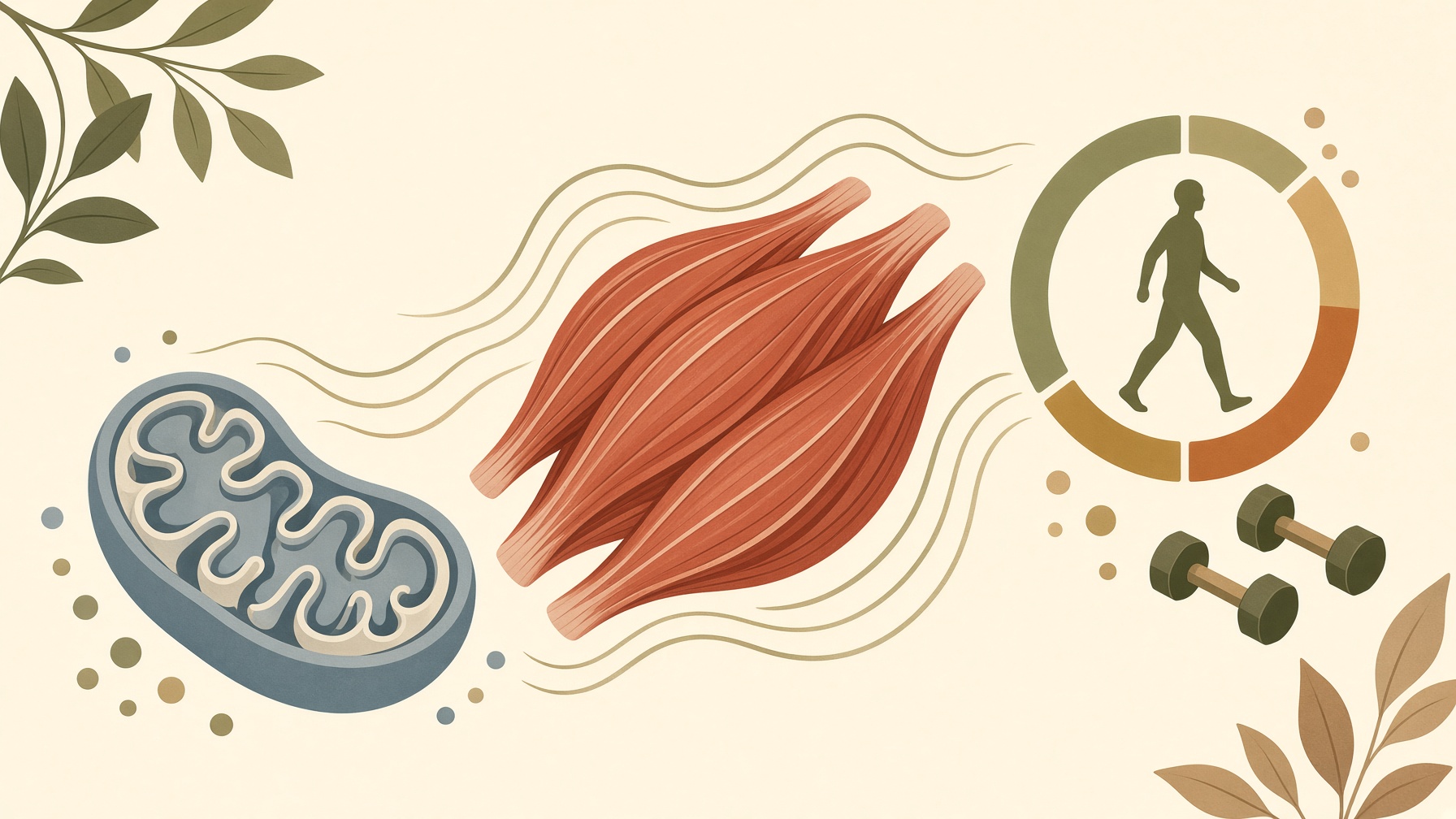
Muscle loss can contribute to a lower resting metabolic rate with age, but changes in muscle mass alone do not explain the full decline.

Macronutrients provide different metabolic options after digestion, so carbohydrate, protein, and fat do not serve interchangeable roles in the body.

Fuel use shifts gradually between meals as nutrient supply and hormone signals change, moving metabolism from storage toward use of body reserves.

Redox reactions pair electron loss with electron gain, allowing metabolic pathways to transfer reducing power between molecules inside cells.

Supersets and circuits link separate exercises, whereas drop sets extend the same exercise by lowering resistance after fatigue builds.

Pyramid training changes load and repetition targets across multiple sets, while single-set and multi-set labels describe how many sets occur.

Resistance-training technique depends on the movement and the person, so a useful form cue in one exercise may be unsuitable in another.
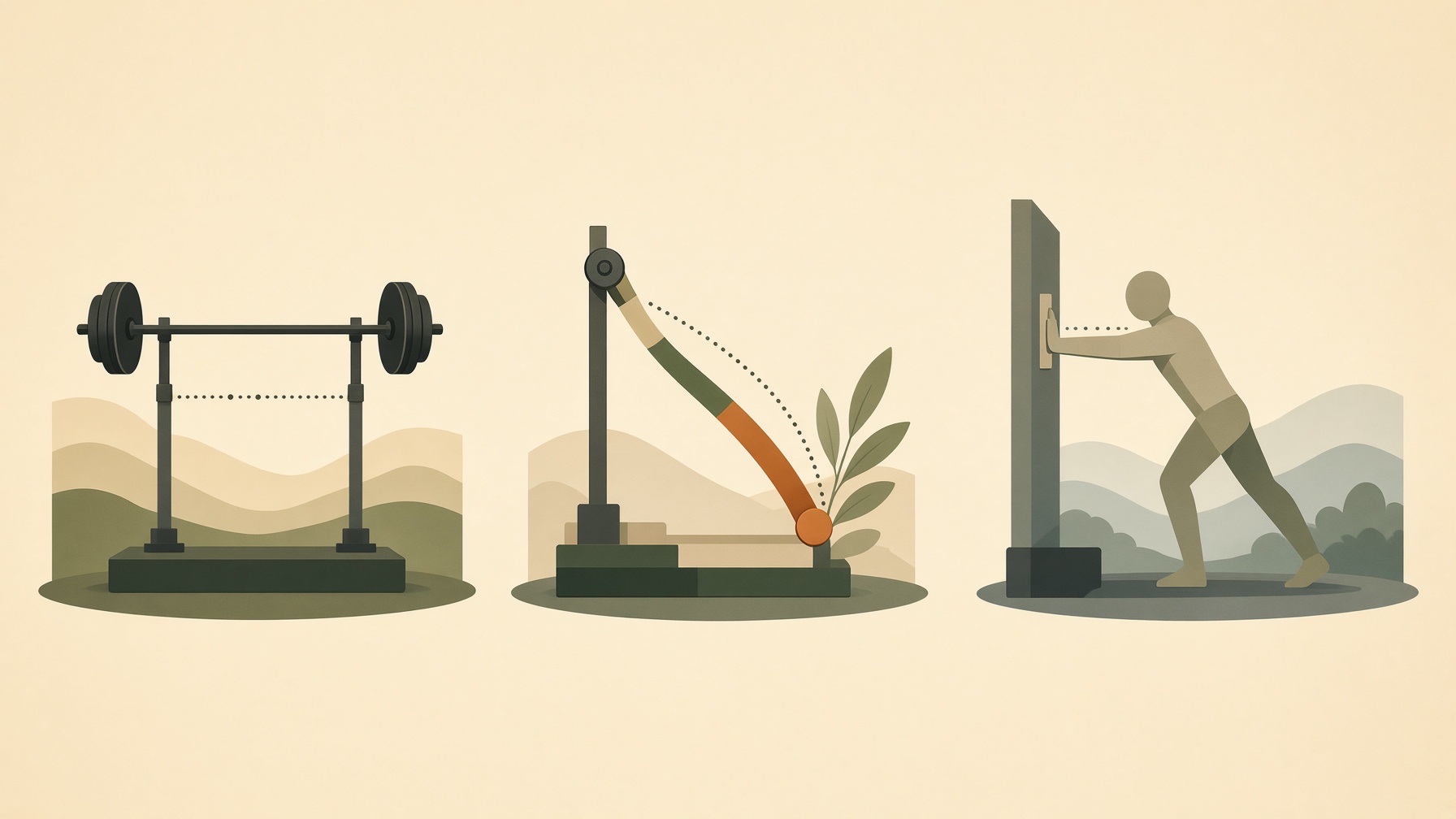
Resistance-training formats create different mechanical demands, and a constant external weight does not mean constant effort across a repetition.