
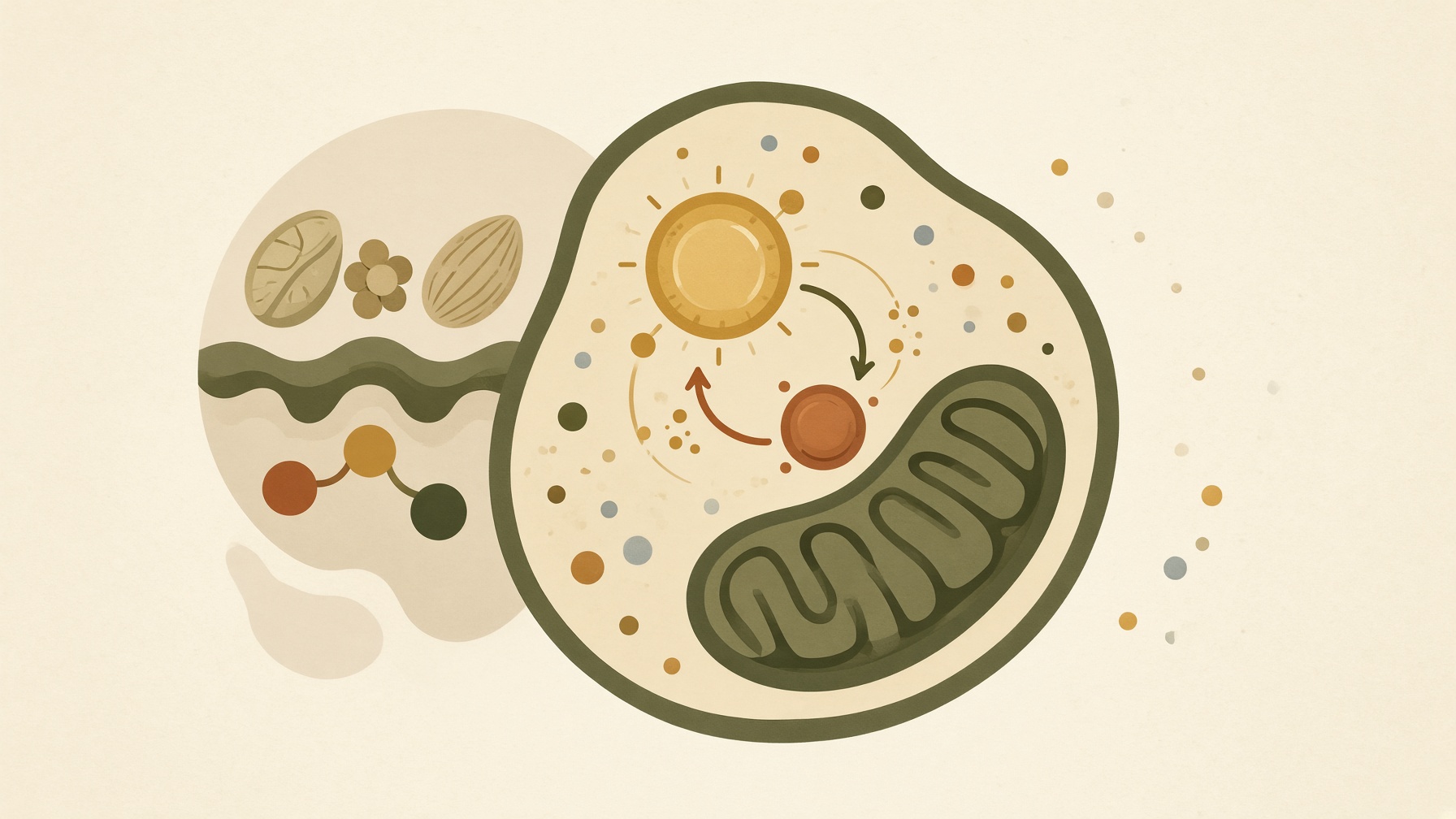
How Cells Keep Their Energy Supply Going
Cells repeatedly regenerate ATP as cellular work consumes the small available supply, making continuous turnover more important than stockpiling.
Wikis
Adenosine is a purine nucleoside composed of the nitrogen-containing base adenine joined to the five-carbon sugar ribose. A nucleoside consists of a nitrogenous base and a sugar but no phosphate group. Addition of phosphate groups to adenosine produces nucleotides such as adenosine monophosphate, adenosine diphosphate, and adenosine triphosphate, commonly abbreviated AMP, ADP, and ATP .1,2
Adenosine is closely connected with cellular energy metabolism. ATP and other adenine nucleotides can be broken down through pathways that produce adenosine, both inside cells and in the extracellular environment. Outside cells, enzymes can sequentially convert ATP and ADP to AMP and then AMP to adenosine. Adenosine can subsequently be taken up by cells or metabolized further, including conversion to inosine .2,3
Adenosine also functions as an extracellular signaling molecule. It acts through four G-protein-coupled adenosine receptor subtypes: A1, A2A, A2B, and A3. These receptors are widely distributed, and the effects of adenosine depend on the receptor subtype and the cell or tissue involved .2
Adenosine should not be confused with adenine or ATP. Adenine is the nitrogenous base contained within adenosine, whereas ATP is a nucleotide consisting of adenosine attached to three phosphate groups. Adenosine itself has no phosphate groups .1,2
From this collection
Cells repeatedly regenerate ATP as cellular work consumes the small available supply, making continuous turnover more important than stockpiling.
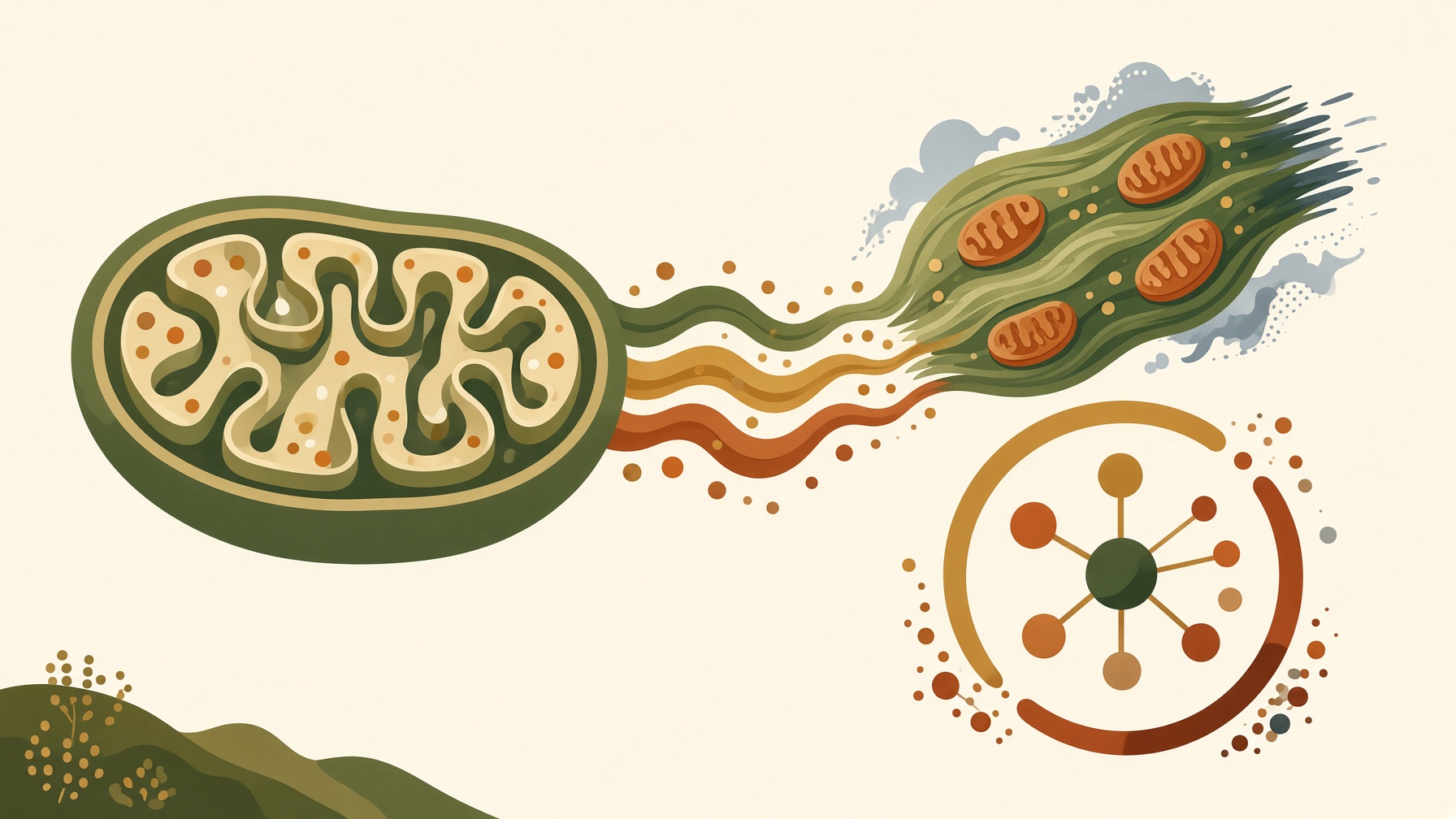
ATP regeneration draws on overlapping energy pathways whose contributions shift with exercise demands, keeping muscle work supplied with usable energy.
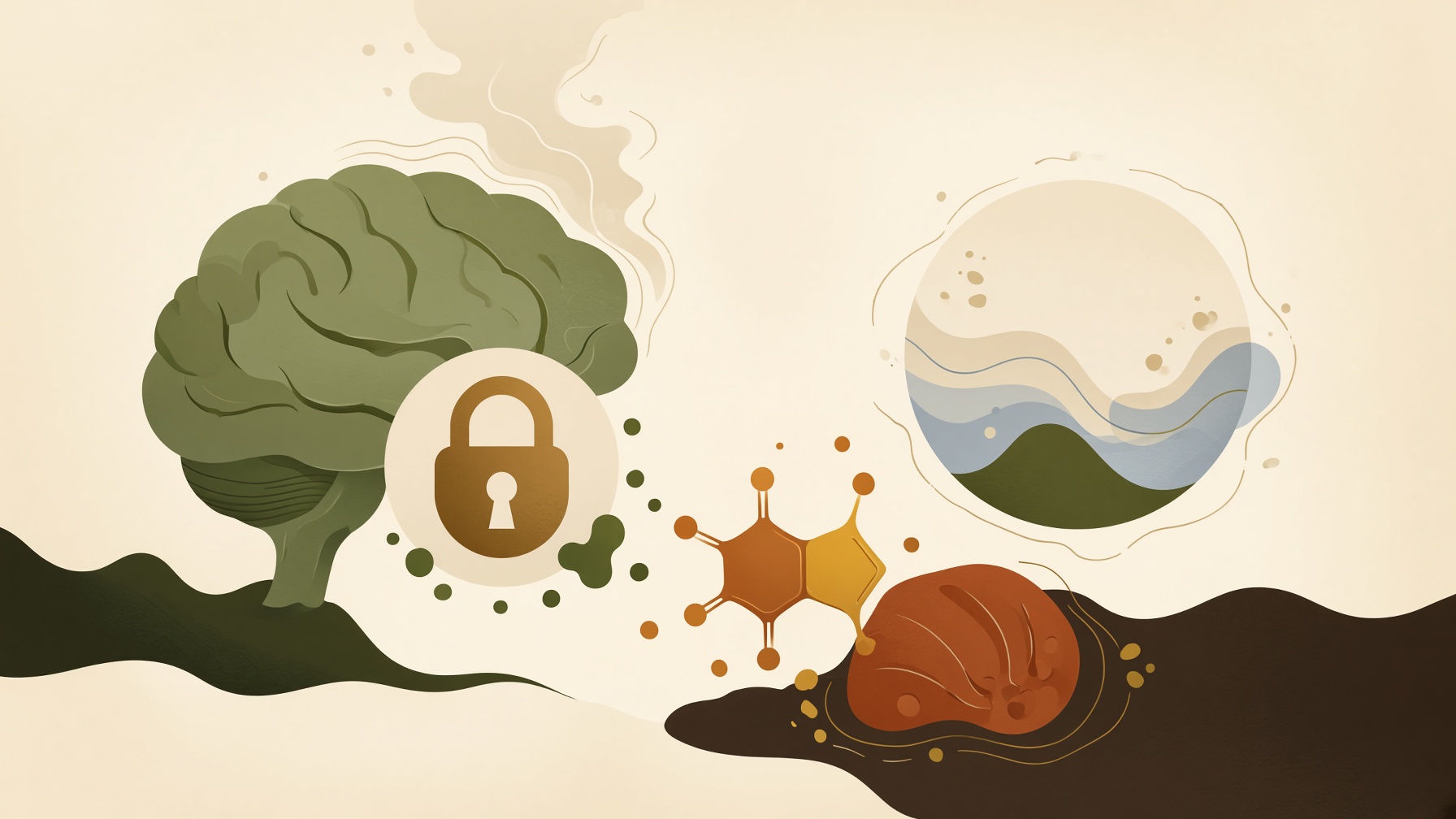
Caffeine blocks adenosine signaling in the brain to reduce sleepiness, but feeling more alert does not remove the biological need for sleep.