
Why Celiac Disease Is Different from a Food Allergy
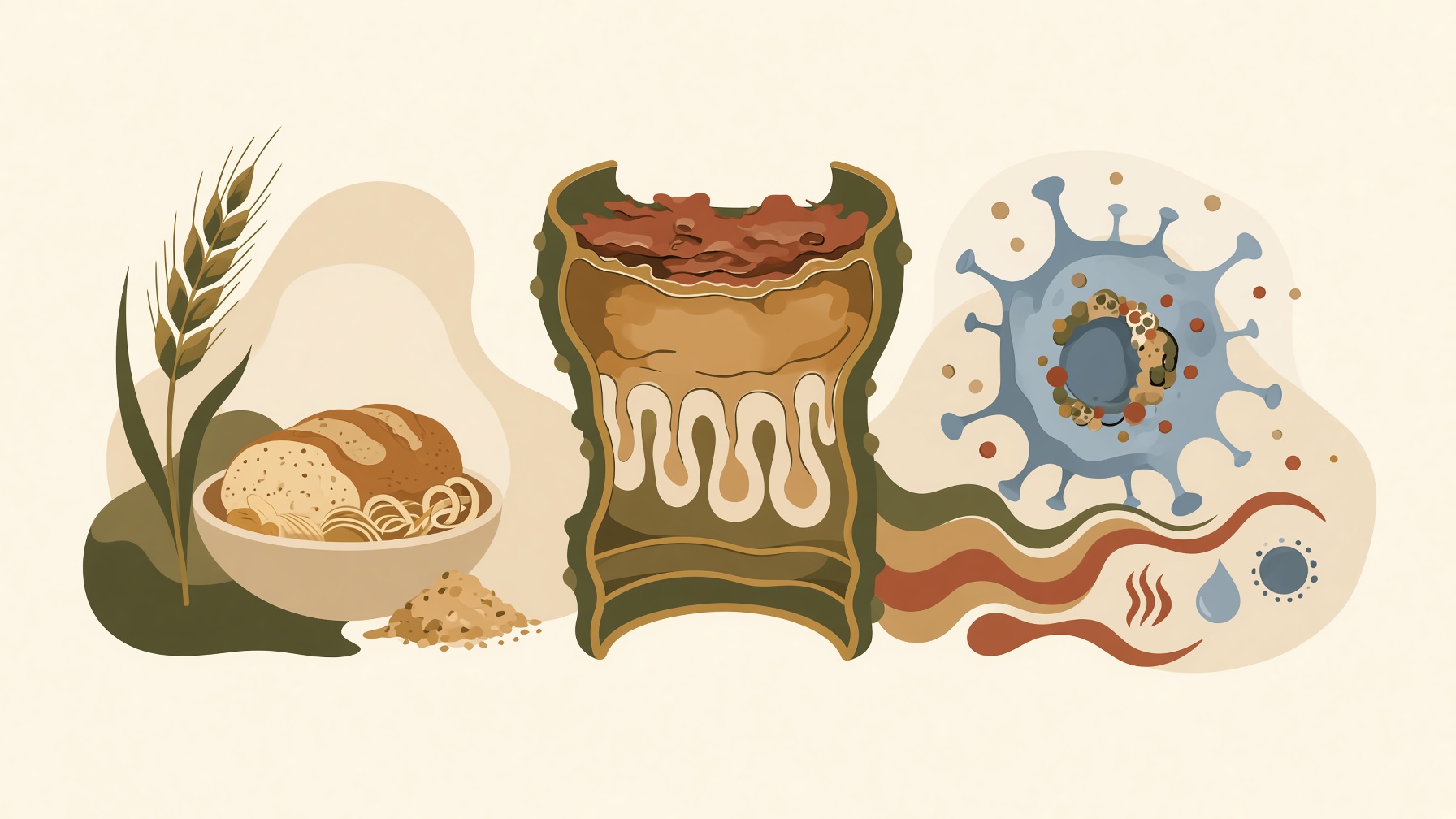
Celiac disease causes gluten-triggered autoimmune damage to the small intestine, a different immune process from the reactions behind food allergy.
Wikis
An autoimmune disease is a disorder in which immune responses directed against the body’s own molecules, cells, or tissues contribute to pathological damage or dysfunction. Normally, the immune system maintains self-tolerance through mechanisms that limit harmful responses against the body’s own components. Autoimmune disease develops when these controls are sufficiently disrupted for autoreactive immune responses to become pathogenic .1,2
The adaptive immune system is central to many autoimmune diseases. Self-reactive T cells can recognize the body’s own antigens and promote inflammation or directly damage cells, while self-reactive B cells can produce antibodies against self-antigens, called autoantibodies. Different autoimmune diseases involve different combinations of these mechanisms, together with inflammatory signals from the innate immune system .1,2,3
Autoimmune diseases can primarily affect a particular organ or can involve multiple tissues. Type 1 diabetes, for example, is characterized by immune-mediated destruction of pancreatic beta cells, whereas systemic lupus erythematosus can affect many organ systems. Susceptibility generally reflects interactions among immune-regulatory mechanisms, genetic factors, and environmental influences rather than a single universal cause shared by all autoimmune diseases .1,3
Autoimmunity is not identical to autoimmune disease. Self-reactive immune cells or autoantibodies can sometimes be detected without causing clinical disease. The term autoimmune disease is used when autoimmune processes contribute to a pathological condition. Autoimmune disease is also distinct from autoinflammatory disease, in which dysregulation of innate immunity rather than self-specific adaptive immune responses is the predominant mechanism, although the boundary between these categories is not always sharp .1
From this collection
Celiac disease causes gluten-triggered autoimmune damage to the small intestine, a different immune process from the reactions behind food allergy.