
What Makes You Feel Steadier on Your Feet?
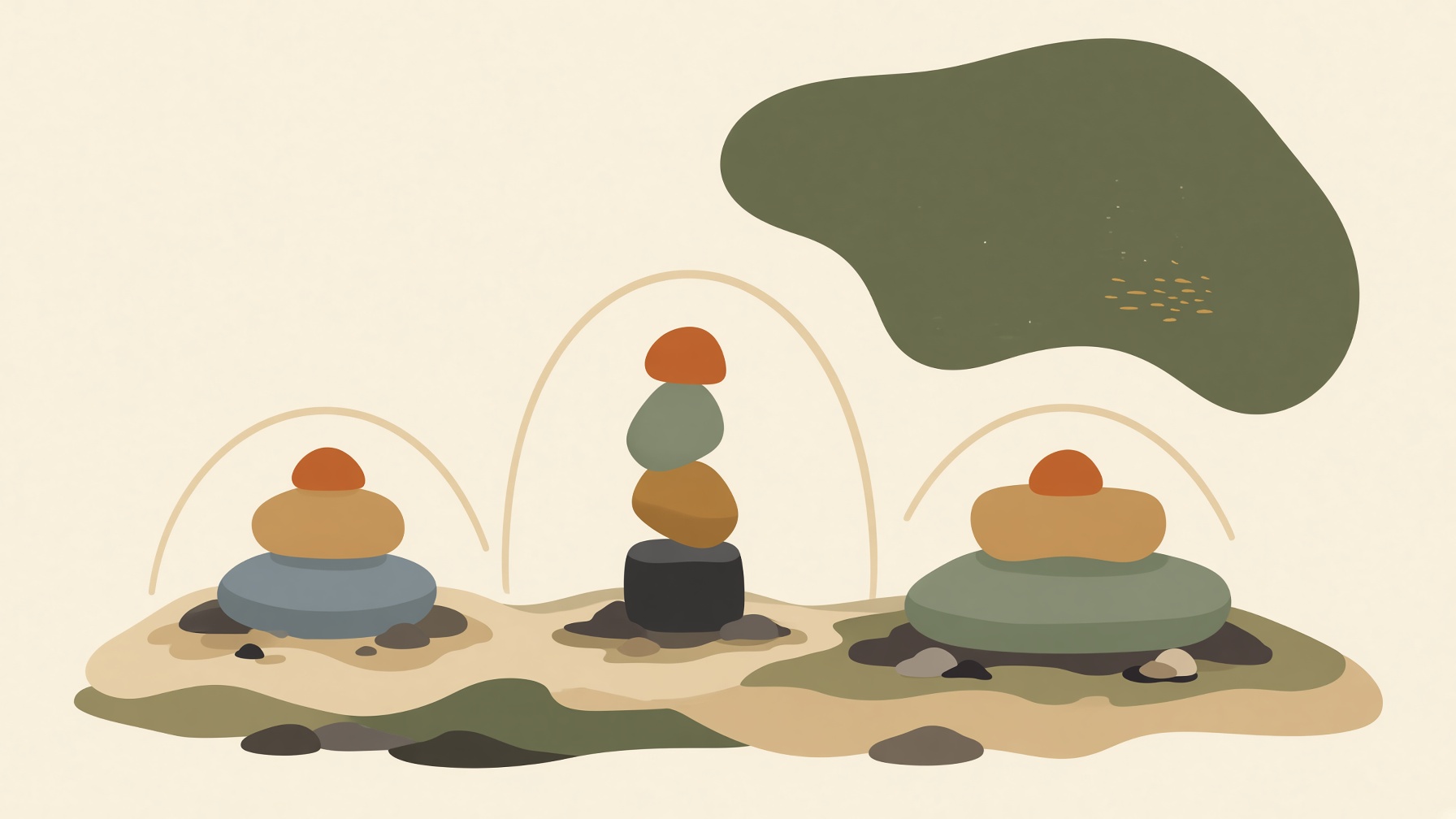
Standing stability depends on the relationship between the body’s center of mass and base of support, so no single stance suits every task.
Wikis
The base of support (BoS) is the region over which a body is mechanically supported through contact with the environment. In human standing, it is determined mainly by the position and contact areas of the feet. In biomechanics, the BoS can be described as the support region within which the center of pressure, the point of application of the resultant ground-reaction force, can generally be located .1,2
Changing how the body contacts the ground changes the base of support. Standing with the feet farther apart generally creates a larger supporting region than standing with the feet close together, while standing on one foot produces a smaller BoS. During walking, the BoS continually changes as contact shifts between one foot and two feet and as each new step establishes a new support region .1,2
The base of support is closely related to postural stability. In simple static models, balance can generally be maintained when the vertical projection of the body’s center of mass remains within the BoS. A larger distance between the center-of-mass projection and the boundary of the BoS generally provides a greater static stability margin. During movement, however, center-of-mass velocity also matters, so position within the BoS alone is not sufficient to determine whether balance will be maintained .1
The base of support should not be confused with the center of mass or center of pressure. The center of mass represents the location of the body’s overall mass distribution, whereas the center of pressure represents the location of the resultant ground-reaction force acting through the supporting surface. The BoS is the region defined by the body's supporting contacts with the environment .1,2
From this collection
Standing stability depends on the relationship between the body’s center of mass and base of support, so no single stance suits every task.
Balance training becomes more demanding through changes in support and task demands, with useful progress tied to the control a person needs.