
What Happens to Fiber Your Small Intestine Can’t Digest?
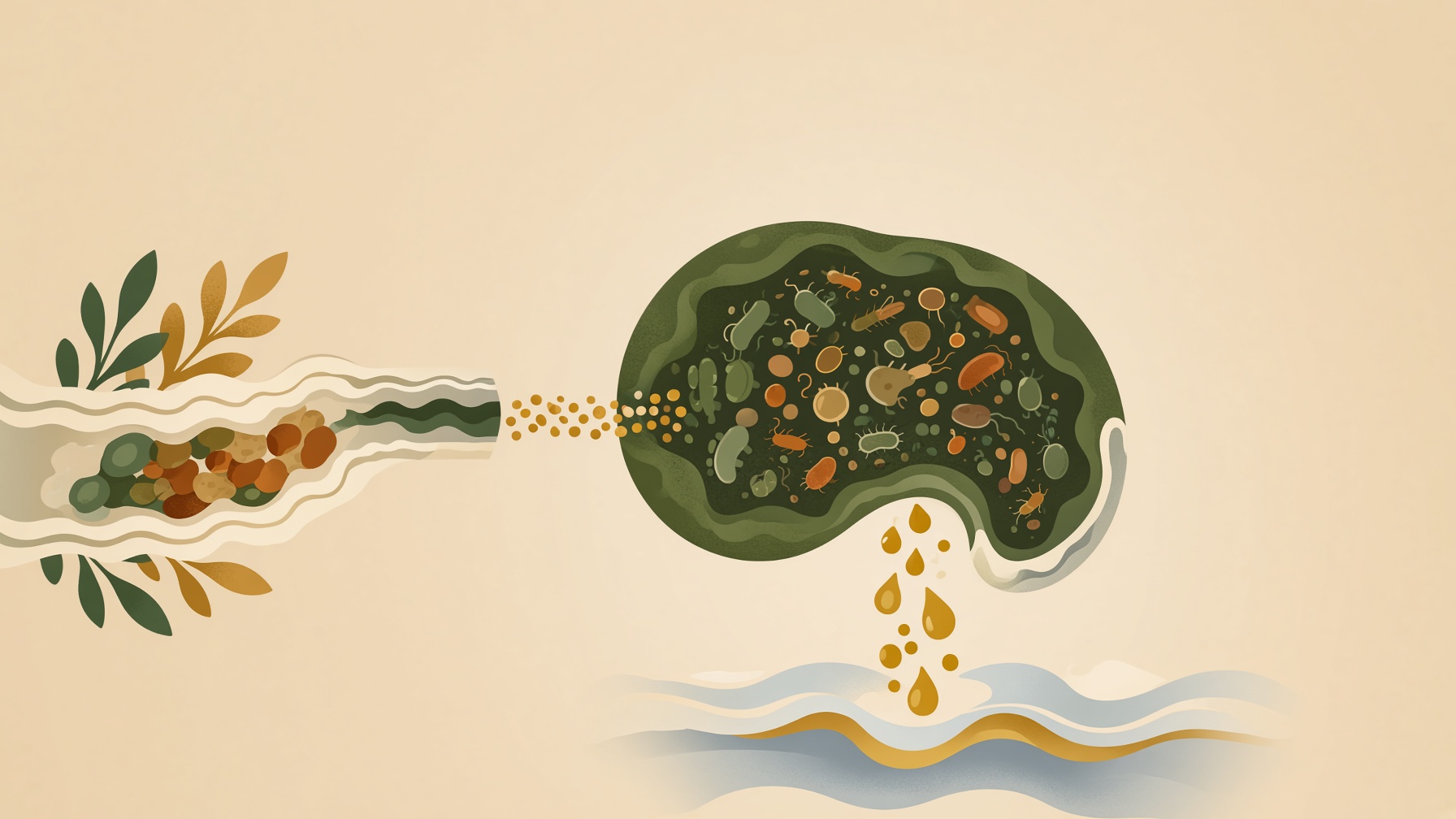
Colon microbes ferment some dietary fiber into short-chain fatty acids that the body can absorb, recovering energy human enzymes cannot release.
Wikis
Colonic fermentation is the anaerobic microbial breakdown of substrates in the large intestine. It occurs mainly when dietary components escape digestion and absorption in the small intestine and reach the colon, where resident microorganisms can use them as metabolic substrates. Fermentable dietary fibers and resistant starch are important examples, although other carbohydrates and some protein-derived substrates can also undergo microbial metabolism in the colon .1,2
During fermentation, colonic microorganisms convert these substrates into a variety of products. Major products of carbohydrate fermentation include the short-chain fatty acids acetate, propionate, and butyrate, along with gases such as hydrogen and carbon dioxide. Fermentation also supports microbial growth and contributes to microbial biomass within the colon .1,2
The extent and products of colonic fermentation depend on both the substrate and the microbial community. Different fibers vary in chemical structure and fermentability, and different microorganisms have different metabolic capabilities. As a result, the rate of fermentation and the relative amounts of individual short-chain fatty acids can vary among substrates, along the colon, and between individuals .1
Colonic fermentation is distinct from digestion by human digestive enzymes. Human enzymes perform much of the chemical digestion that occurs before the colon, whereas colonic fermentation is carried out by microorganisms using substrates that remain available to them. Some fermentation products, particularly short-chain fatty acids, can subsequently be absorbed through the colonic wall and used by host tissues .1,2
From this collection
Colon microbes ferment some dietary fiber into short-chain fatty acids that the body can absorb, recovering energy human enzymes cannot release.