
What Happens to Fiber Your Small Intestine Can’t Digest?
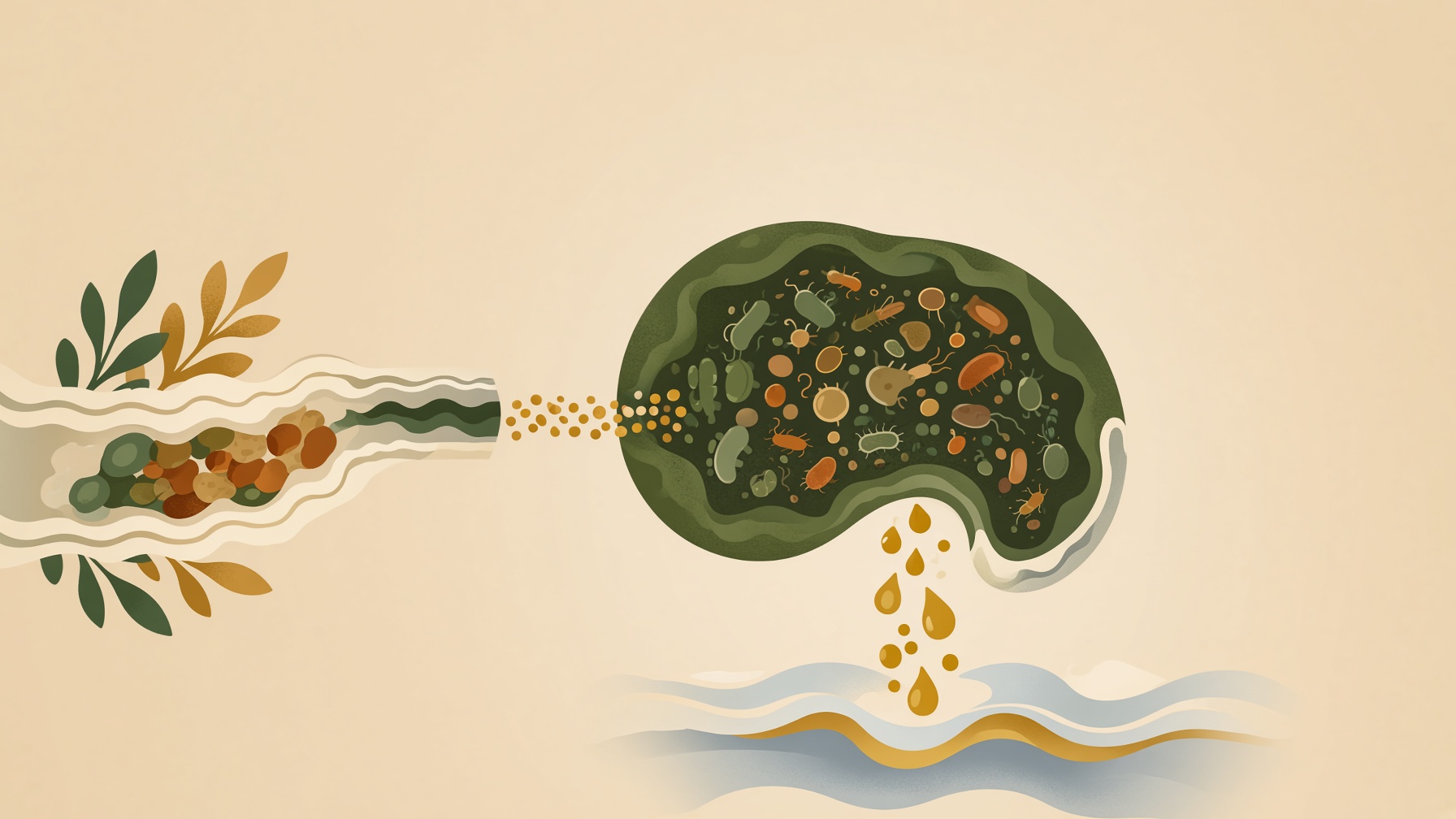
Colon microbes ferment some dietary fiber into short-chain fatty acids that the body can absorb, recovering energy human enzymes cannot release.
Wikis
Colonocytes are the absorptive epithelial cells found in the lining of the colon, or large intestine. They form part of the single layer of epithelial cells that separates the intestinal contents from underlying tissues. Colonocytes arise from stem and progenitor cells in the colonic crypts and become more differentiated as they move toward the surface of the epithelium .1
A major function of colonocytes is the regulated transport of water and electrolytes between the intestinal lumen and the body. Through membrane channels and transport proteins, these cells participate in the absorption and secretion of ions such as sodium and chloride. Together with other epithelial cells and the junctions between them, colonocytes also contribute to the intestinal barrier .1,2
Colonocytes have an important metabolic relationship with the gut microbiota. In mature colonocytes, butyrate, a short-chain fatty acid produced by microbial fermentation in the colon, can serve as an important oxidative fuel and contribute to normal epithelial function .2
Colonocytes are not synonymous with all colonic epithelial cells. The colonic epithelium also contains specialized cell types, including goblet cells, enteroendocrine cells, and tuft cells. The term colonocyte is used primarily for the differentiated absorptive epithelial lineage of the colon .1
From this collection
Colon microbes ferment some dietary fiber into short-chain fatty acids that the body can absorb, recovering energy human enzymes cannot release.