
How Your Body Uses Carbs, Protein, and Fat
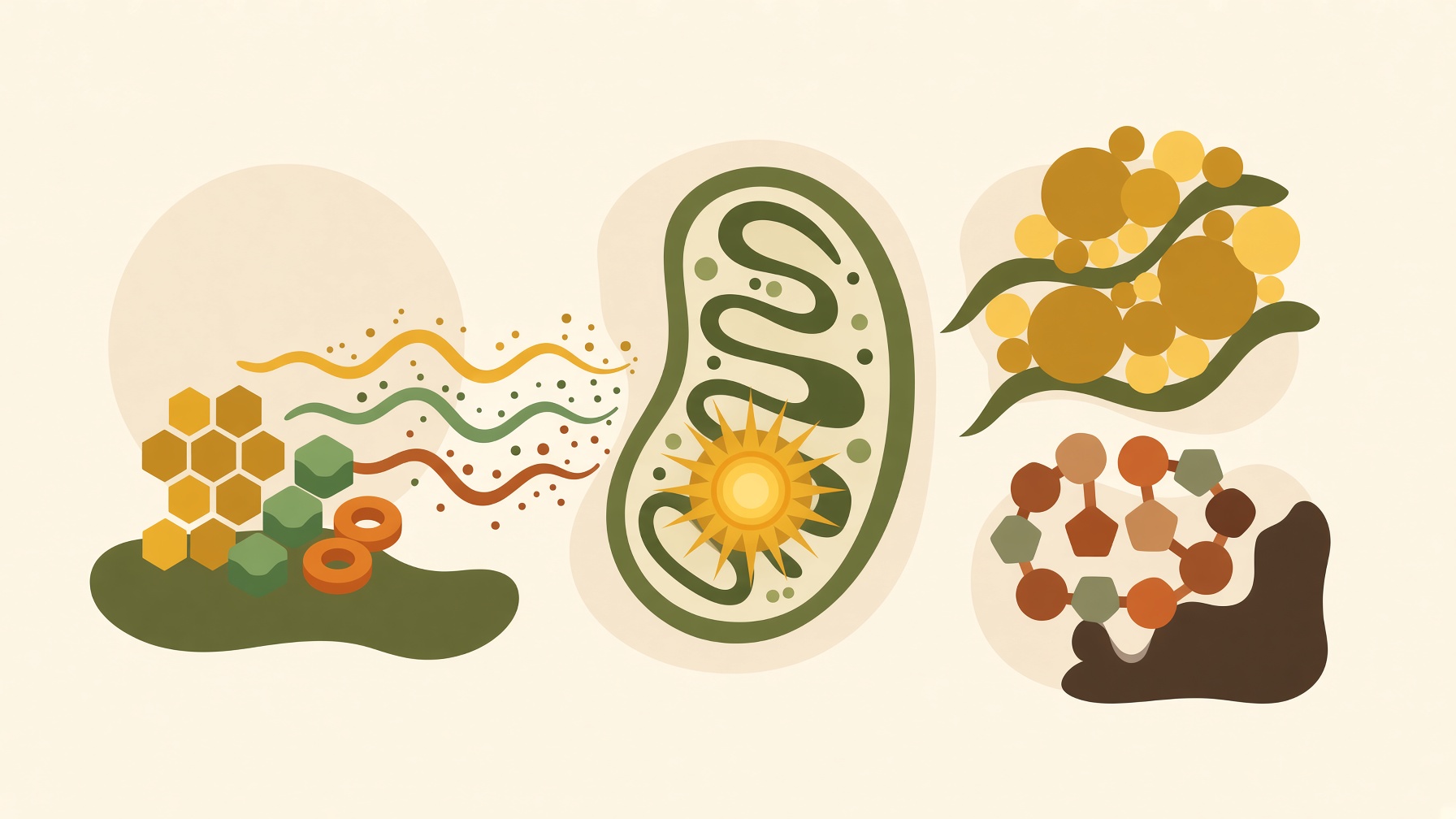
Macronutrients provide different metabolic options after digestion, so carbohydrate, protein, and fat do not serve interchangeable roles in the body.
Wikis
De novo lipogenesis (DNL) is the metabolic process by which cells synthesize new fatty acids from acetyl-CoA rather than obtaining those fatty acids directly from dietary or stored fat. Acetyl-CoA can be generated from several metabolic sources, including carbohydrate metabolism. In humans, DNL occurs prominently in the liver and also in adipose tissue .1,2
During DNL, acetyl-CoA is first converted to malonyl-CoA by the enzyme acetyl-CoA carboxylase. Fatty acid synthase then uses acetyl-CoA and repeated malonyl-CoA units to build a fatty-acid chain, using NADPH as reducing power. A principal product is the 16-carbon saturated fatty acid palmitate, which can subsequently be elongated, desaturated, or incorporated into more complex lipids .1,2
Carbohydrate can provide carbon for DNL after glucose or fructose is metabolized through pathways that ultimately generate cytosolic acetyl-CoA. The pathway is regulated by metabolic and hormonal conditions, including carbohydrate availability and insulin signaling. DNL therefore links carbohydrate metabolism with fatty-acid synthesis, but dietary carbohydrate is not necessarily converted into fat through this pathway .1,2
De novo lipogenesis is distinct from triglyceride synthesis. DNL specifically creates new fatty-acid chains, whereas triglyceride synthesis attaches fatty acids to a glycerol backbone. Those fatty acids may have been synthesized through DNL, obtained from dietary fat, or released from existing lipid stores .1
From this collection
Macronutrients provide different metabolic options after digestion, so carbohydrate, protein, and fat do not serve interchangeable roles in the body.