
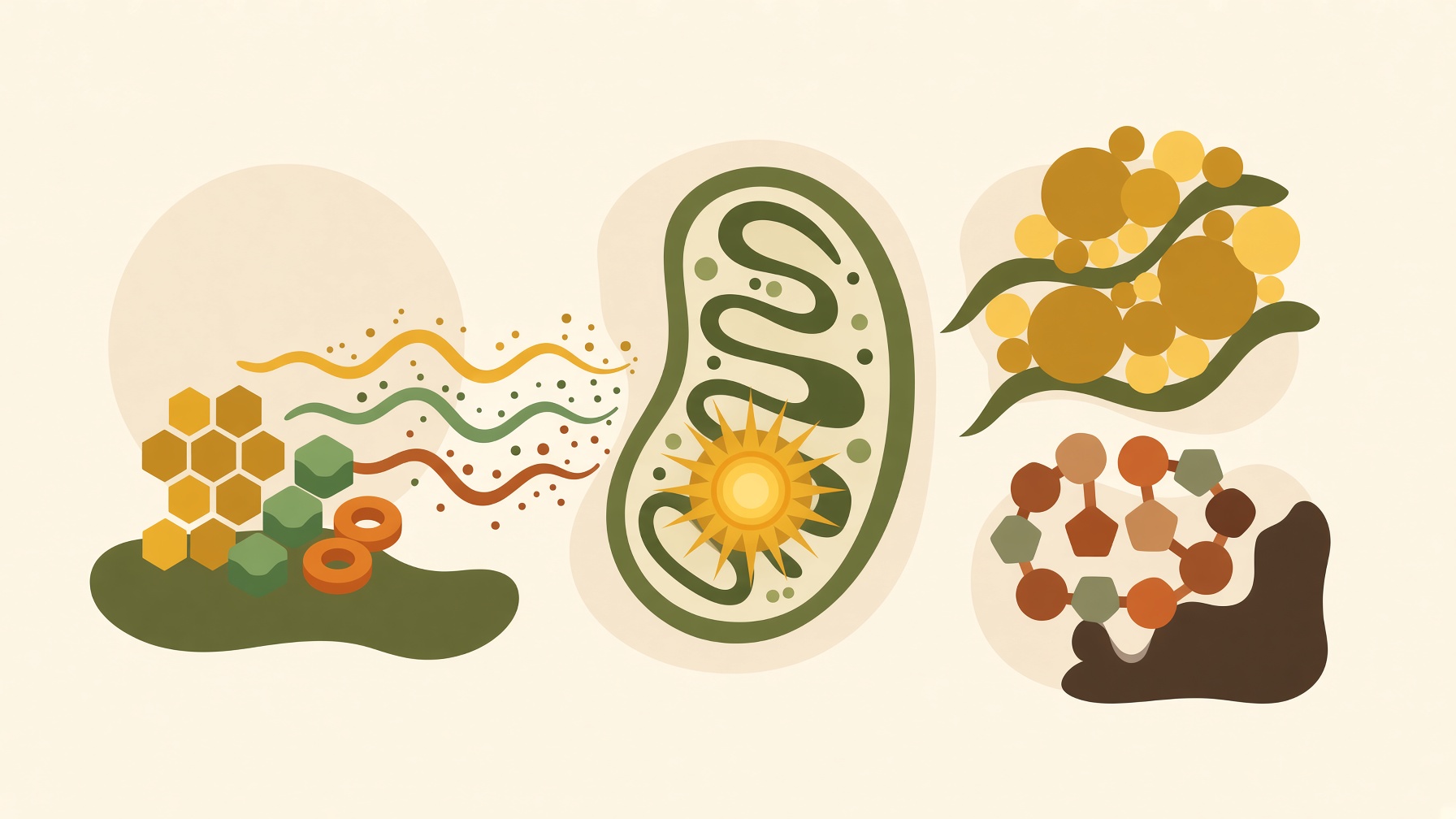
The nutrients in food do not all enter metabolism with the same destination. Some are readily used as fuel, some supply building blocks for body tissues and molecules, and many can move between several metabolic pathways depending on the body’s needs. Looking at carbohydrate, protein, and fat separately helps show why their shared status as macronutrients tells only part of the story.
Carbohydrate, protein, and fat are classified as energy-yielding macronutrients, but their metabolic handling differs substantially. Digestion breaks them into smaller components that can enter different pathways for oxidation, synthesis, storage, or other cellular functions .1
For carbohydrate, absorbed simple sugars can provide substrate that cells metabolize to support ATP production. The sugar itself is not ATP and does not deliver ready-made cellular energy directly. Instead, carbohydrate-derived molecules enter metabolic processes through which cells generate ATP .1
Protein has a broader structural and functional identity in the body. Proteins occur in many forms and are major constituents involved in body structure and function. Their building blocks, amino acids, also have an important dietary dimension: Nine amino acids are considered essential in adults because they cannot be synthesized in sufficient amounts and must therefore be supplied by the diet. Amino acids can additionally be oxidized as metabolic fuel. Under typical exercise conditions, however, protein generally makes a smaller contribution to energy expenditure than carbohydrate and fat .1,2
Fatty acids can be oxidized to provide substrates for ATP production, making stored and circulating fat an important metabolic fuel. Lipid metabolism is also closely connected with carbohydrate metabolism rather than operating as an entirely separate system. Under conditions that favor de novo lipogenesis, carbon derived from glucose can also be used to synthesize new fatty acids .1
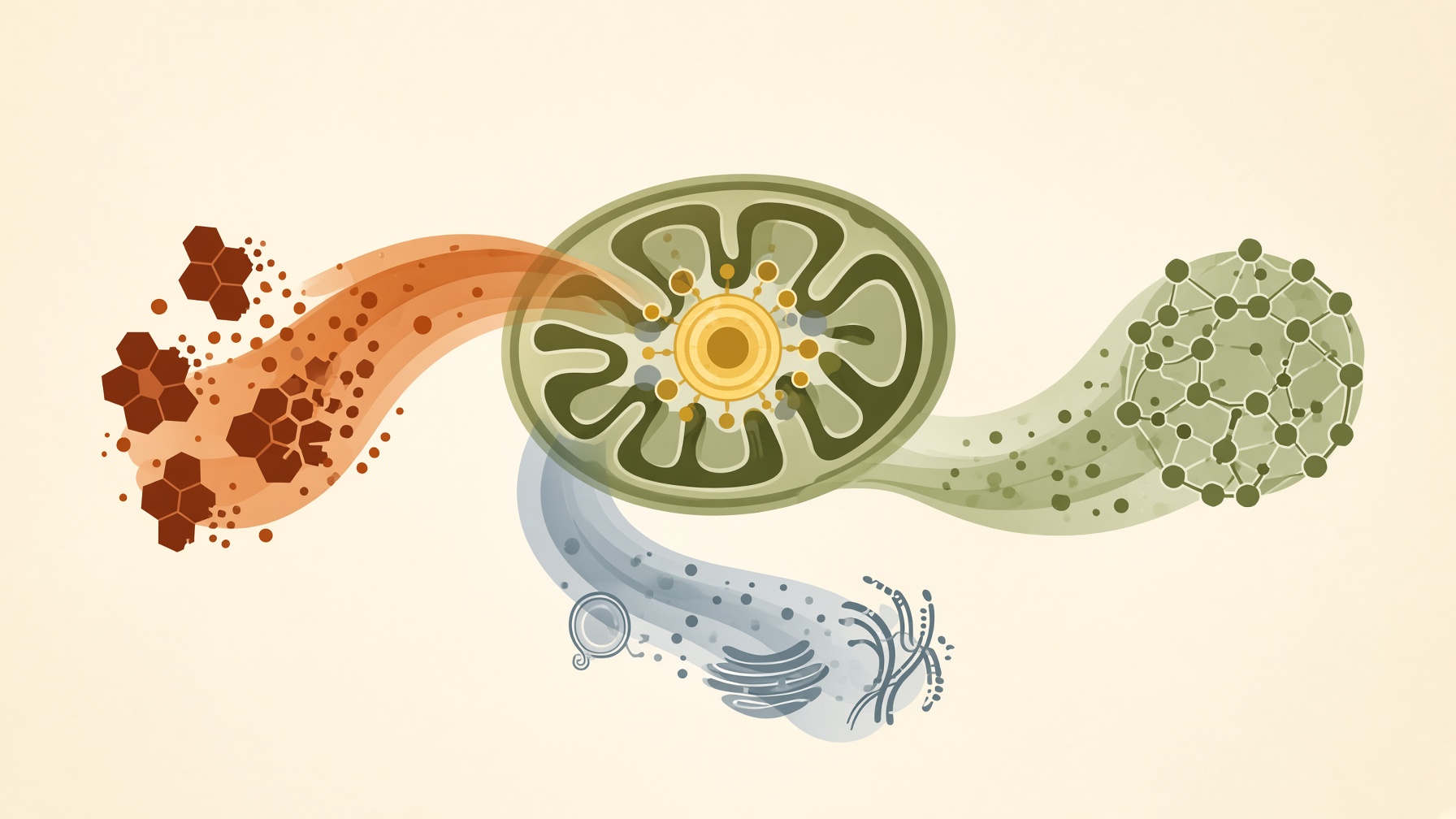
The important difference among macronutrients is not simply how much energy each can provide, but what metabolic options become available after they are broken down. Their components can enter overlapping pathways, yet they are not interchangeable in every biological role. Seeing metabolism as a connected network rather than three isolated fuel systems makes those differences much easier to understand.
Join the discussion
No account or email is required. Your display name and comment will be public.