
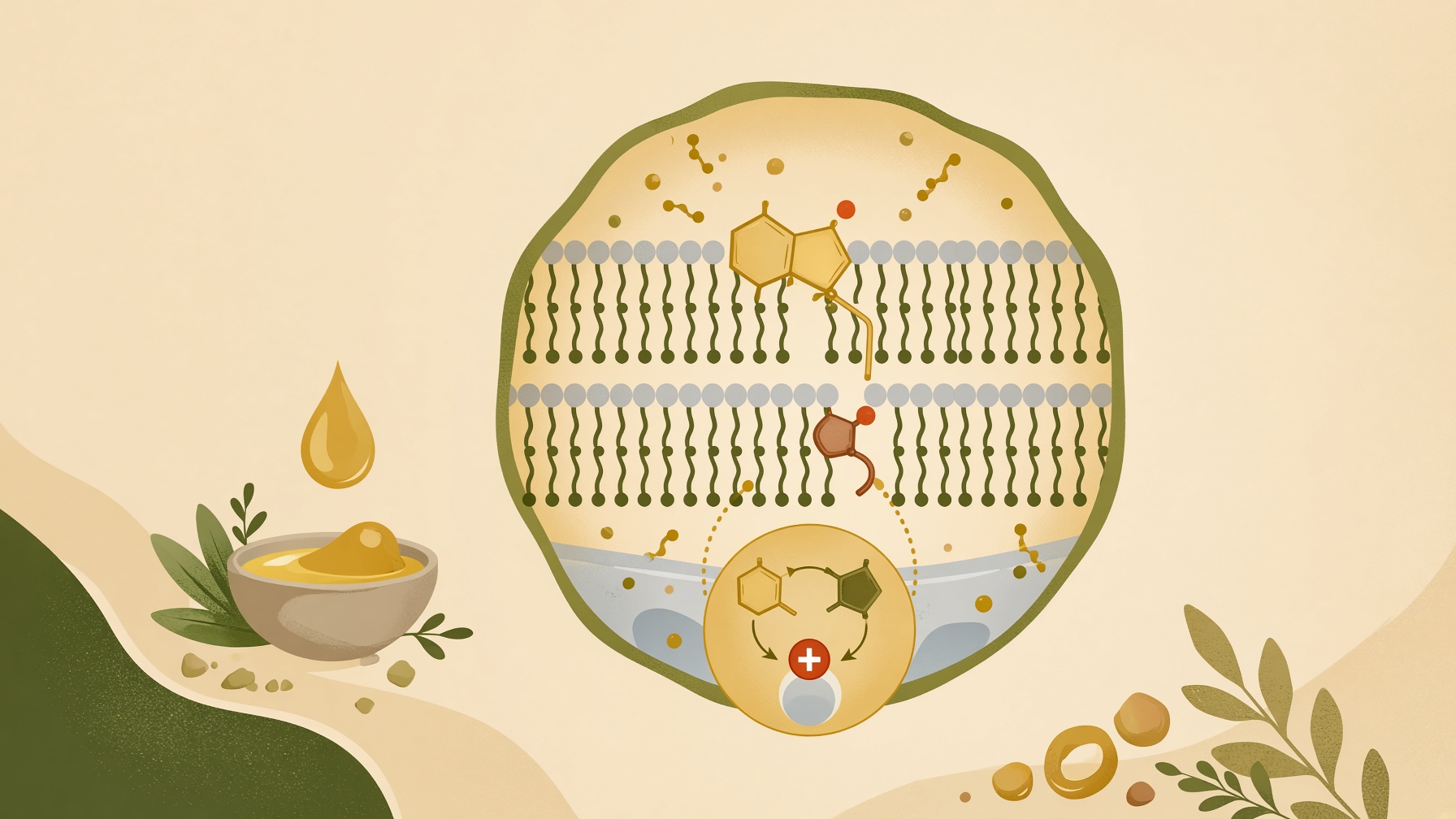
More Vitamin E Does Not Necessarily Mean More Protection
Vitamin E protects membrane lipids, but high-dose supplements have not shown clear benefits for preventing heart disease or cancer in healthy adults.
Wikis
Fat malabsorption is impaired absorption of dietary fat from the gastrointestinal tract. Normal fat absorption depends on several coordinated steps, including digestion of triglycerides, the action of bile acids, uptake of lipid digestion products by intestinal cells, and their subsequent transport from the intestine. Disruption of one or more of these processes can leave an abnormally large proportion of dietary fat unabsorbed .1,2
Most dietary triglycerides are digested in the small intestine by pancreatic enzymes, producing fatty acids and monoglycerides. Bile acids help incorporate these digestion products into mixed micelles, allowing poorly water-soluble lipids to reach the intestinal surface. After entering intestinal cells, long-chain fatty acids and monoglycerides are largely reassembled into triglycerides and packaged into chylomicrons for transport through the lymphatic system .1
Fat malabsorption can arise through different mechanisms. Examples include inadequate pancreatic enzyme activity, insufficient or disrupted bile acid function, and diseases that damage or reduce the absorptive surface of the small intestine. These mechanisms differ in origin but can all reduce the amount of dietary lipid successfully absorbed .1,2
Fat malabsorption is closely related to, but not synonymous with, steatorrhea. Steatorrhea specifically refers to increased excretion of fat in the stool and can result from substantial impairment of fat digestion or absorption. Because normal fat absorption also facilitates uptake of fat-soluble vitamins, significant fat malabsorption can impair absorption of vitamins A, D, E, and K .1,2
From this collection
Vitamin E protects membrane lipids, but high-dose supplements have not shown clear benefits for preventing heart disease or cancer in healthy adults.