
Why Celiac Disease Is Different from a Food Allergy
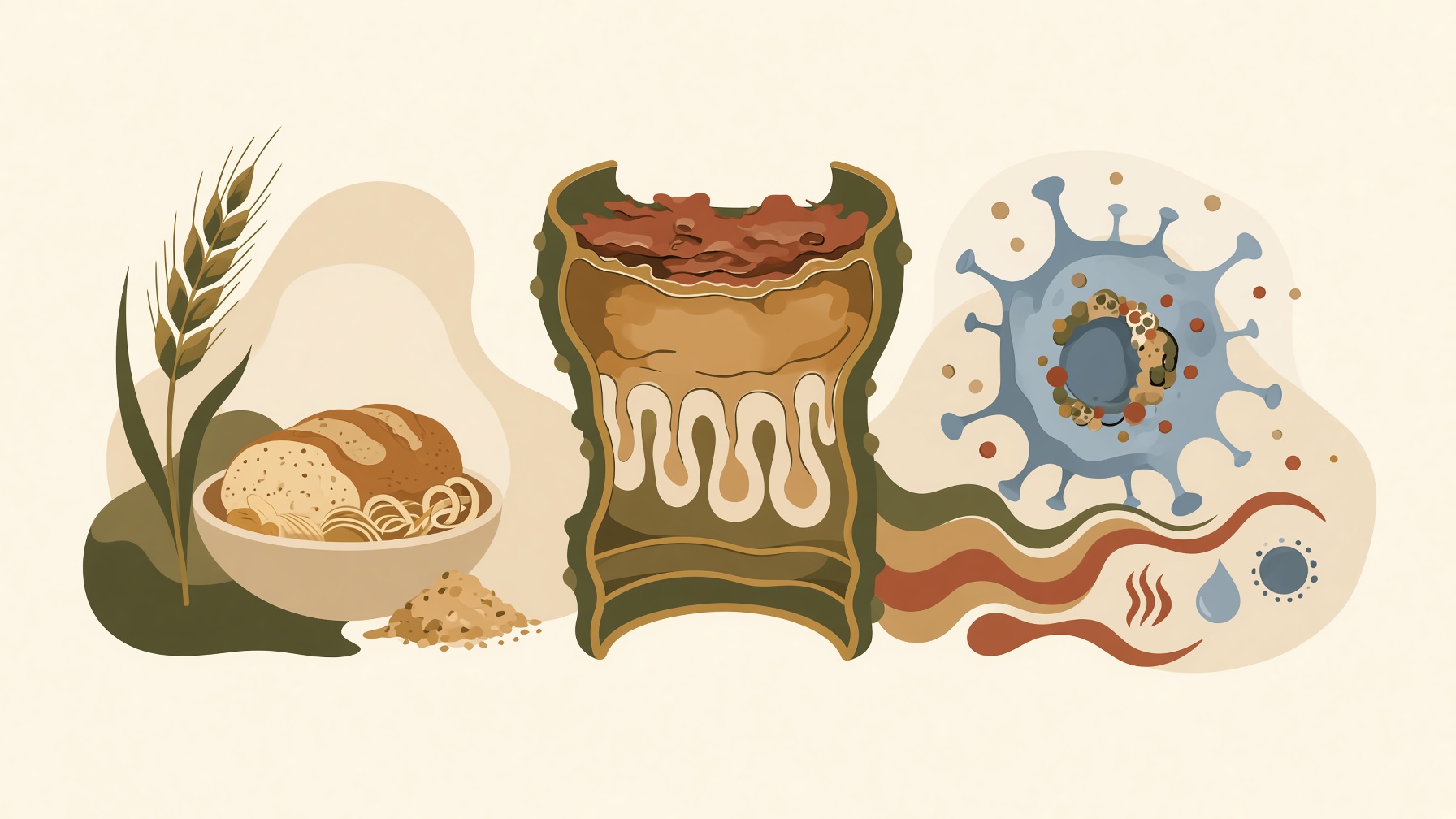
Celiac disease causes gluten-triggered autoimmune damage to the small intestine, a different immune process from the reactions behind food allergy.
Wikis
A food allergy is an adverse health effect caused by a specific immune response that occurs reproducibly after exposure to a particular food. The substances that trigger these reactions are called food allergens and are usually proteins. Food allergy can involve different immune mechanisms, including immunoglobulin E, or IgE-mediated reactions, as well as forms that do not depend on IgE .1
In IgE-mediated food allergy, the immune system produces IgE antibodies that recognize a particular food allergen. When that allergen is encountered again, it can activate mast cells and basophils, causing the release of substances that produce allergic symptoms. Reactions may affect the skin, gastrointestinal tract, respiratory system, or cardiovascular system, and severe systemic reactions can develop into anaphylaxis .1
Food allergy is not the same as allergic sensitization. A person can have detectable food-specific IgE or a positive skin-prick test without developing symptoms after exposure to the food. Diagnosis therefore requires interpreting evidence of sensitization together with the clinical history and, when necessary, an oral food challenge, which is a reference standard for establishing clinical food allergy .1,2
Food allergy is also distinct from food intolerance. Both can cause adverse reactions after eating, but food allergy involves a specific immune response. Food intolerances arise through non-immune mechanisms, such as impaired lactose digestion in lactose intolerance .1
From this collection
Celiac disease causes gluten-triggered autoimmune damage to the small intestine, a different immune process from the reactions behind food allergy.