
Why Food That Looks Fine Can Still Be Unsafe
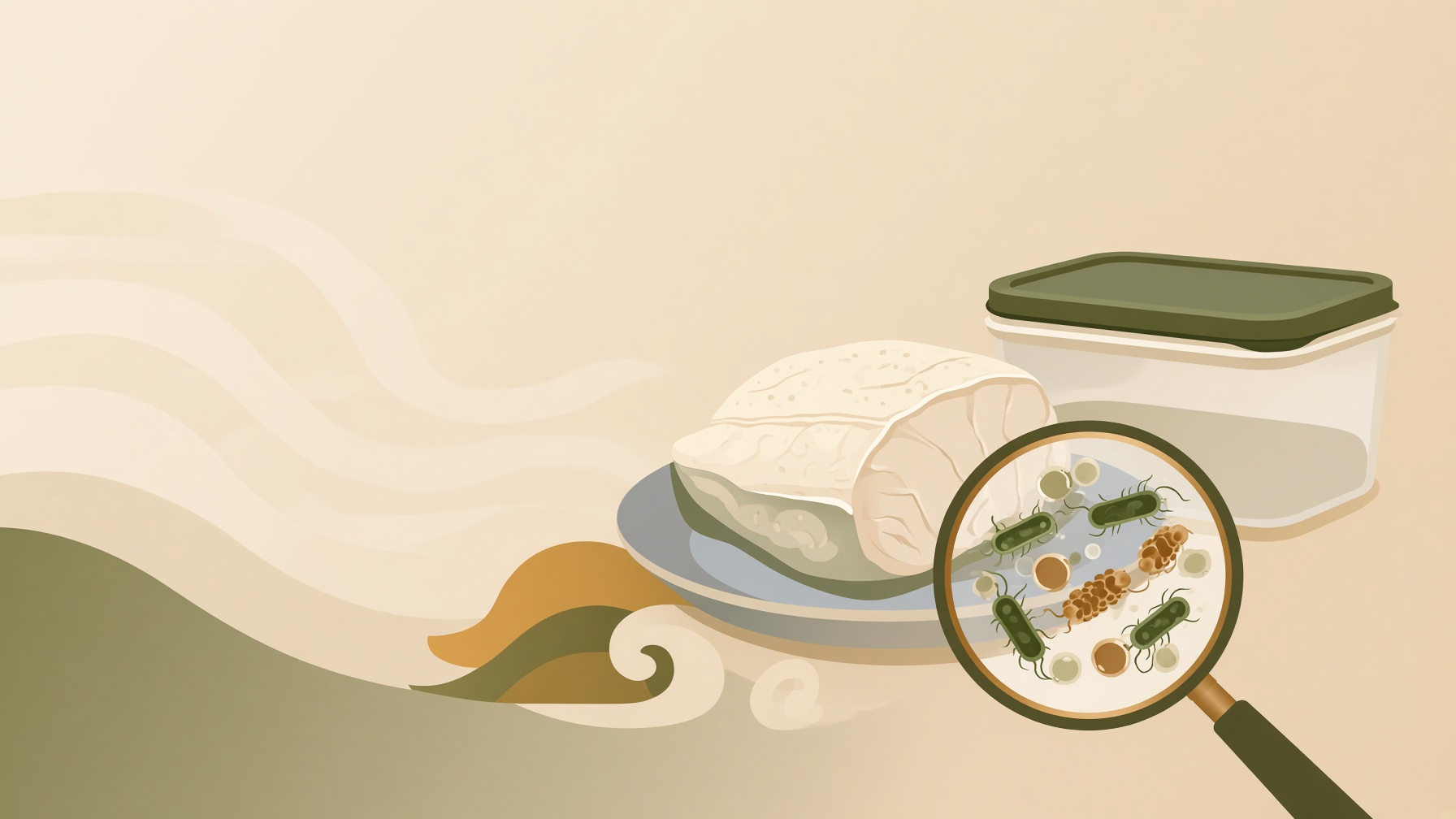
Harmful bacteria can survive or multiply in food without changing its appearance or smell, so normal-looking food is not proof of safety.
Wikis
Foodborne illness, also called foodborne disease, is illness caused by consuming food or drink contaminated with a harmful biological or chemical agent. Causes include bacteria, viruses, parasites, toxins, and other chemical substances. Although foodborne illness is commonly associated with diarrhea and vomiting, the term covers a wider range of diseases and is defined by transmission through contaminated food rather than by a particular set of symptoms .1
Foodborne illnesses can arise through different mechanisms. In a foodborne infection, a disease-causing microorganism is consumed and then acts within the body. In contrast, some illnesses result from toxins that were already present or produced in the food before it was eaten. In these cases, illness can occur without the toxin-producing microorganism needing to multiply inside the person .1,2
The time between eating contaminated food and becoming ill varies substantially according to the causative agent and mechanism. Preformed toxins can sometimes produce symptoms relatively quickly, whereas infectious illnesses may have longer incubation periods. Foodborne disease can primarily affect the gastrointestinal tract, but some agents can also cause neurological, systemic, or other effects outside the digestive system .1,2
“Food poisoning” is often used informally to refer to foodborne illness, although poisoning or intoxication can be used more specifically for illness caused by toxins. Foodborne illness is therefore the broader term, encompassing both infectious and toxic diseases acquired through food .1,2
From this collection
Harmful bacteria can survive or multiply in food without changing its appearance or smell, so normal-looking food is not proof of safety.