
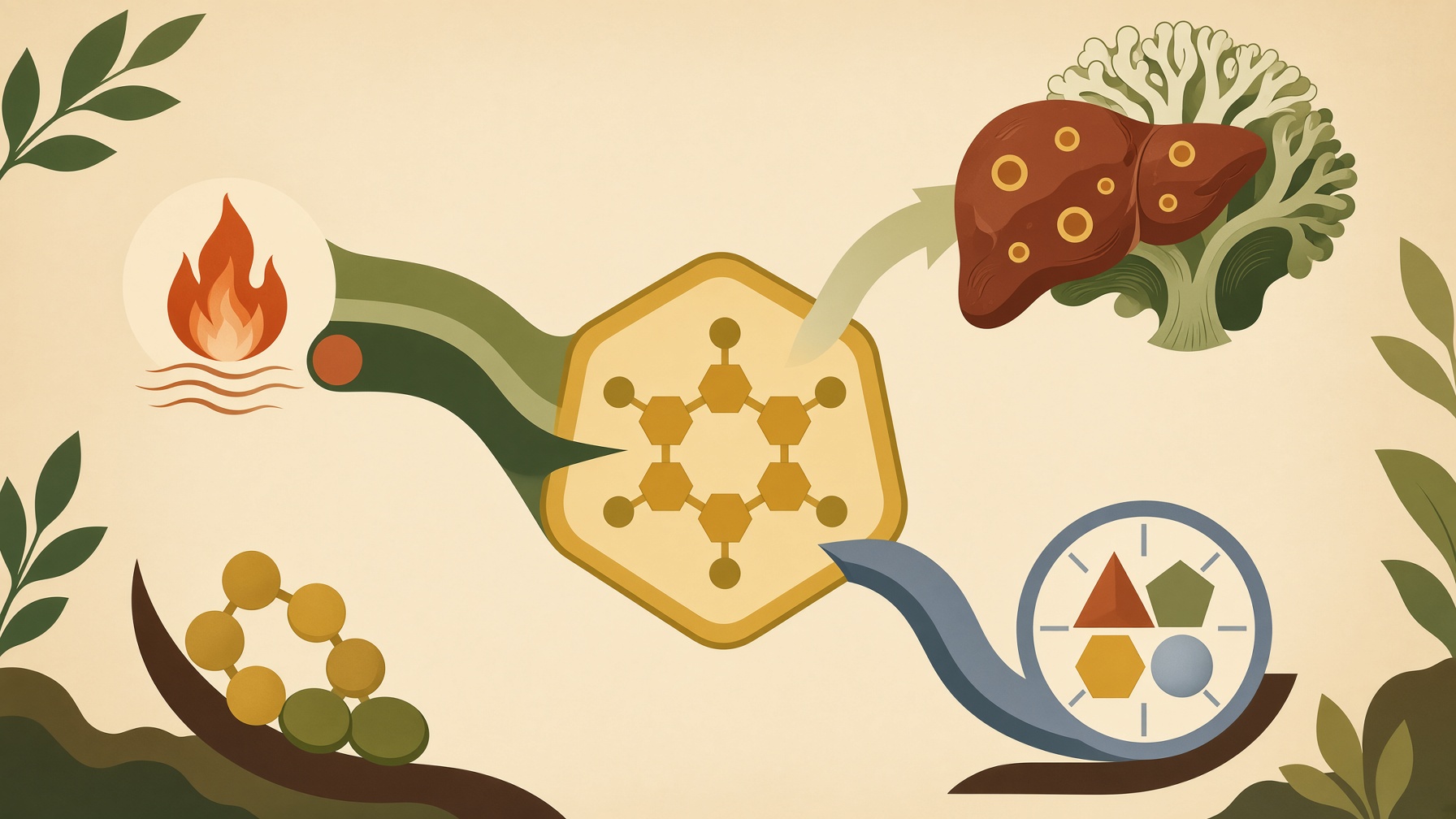
Carbohydrates Aren’t Just Fuel
Carbohydrate metabolism supplies more than immediate energy, providing glucose-derived material that cells can store or use to build molecules.
Wikis
Insulin is a peptide hormone produced and secreted by beta cells in the pancreatic islets. Mature human insulin consists of two amino-acid chains, called the A and B chains, linked by disulfide bonds. It is produced initially as a larger precursor called proinsulin, which is processed into insulin and C-peptide before secretion. Rising blood glucose is a major stimulus for insulin release .1
Insulin is a central regulator of fuel metabolism and blood glucose. After entering the circulation, it acts particularly on the liver, skeletal muscle, and adipose tissue. In skeletal muscle and adipose tissue, insulin increases glucose uptake partly by promoting translocation of the glucose transporter GLUT4 to the cell membrane. In the liver, it suppresses glucose production and promotes glucose storage as glycogen. Insulin also promotes anabolic processes including lipid and protein synthesis and inhibits mobilization of stored fuels, including triglyceride breakdown in adipose tissue .1,2
These effects begin when insulin binds to the insulin receptor on the surface of responsive cells. The insulin receptor is a receptor tyrosine kinase. Insulin binding activates the receptor and downstream signaling pathways, including those involving insulin receptor substrate proteins, phosphoinositide 3-kinase, and AKT. These signals alter glucose transport, enzyme activity, gene expression, and other cellular processes .2
Insulin secretion and insulin sensitivity are distinct concepts. Insulin secretion describes how much insulin pancreatic beta cells release, whereas insulin sensitivity describes how strongly target tissues respond to a given amount of insulin. Reduced insulin production and reduced responsiveness to insulin can therefore impair glucose regulation through different mechanisms .1,2
From this collection
Carbohydrate metabolism supplies more than immediate energy, providing glucose-derived material that cells can store or use to build molecules.
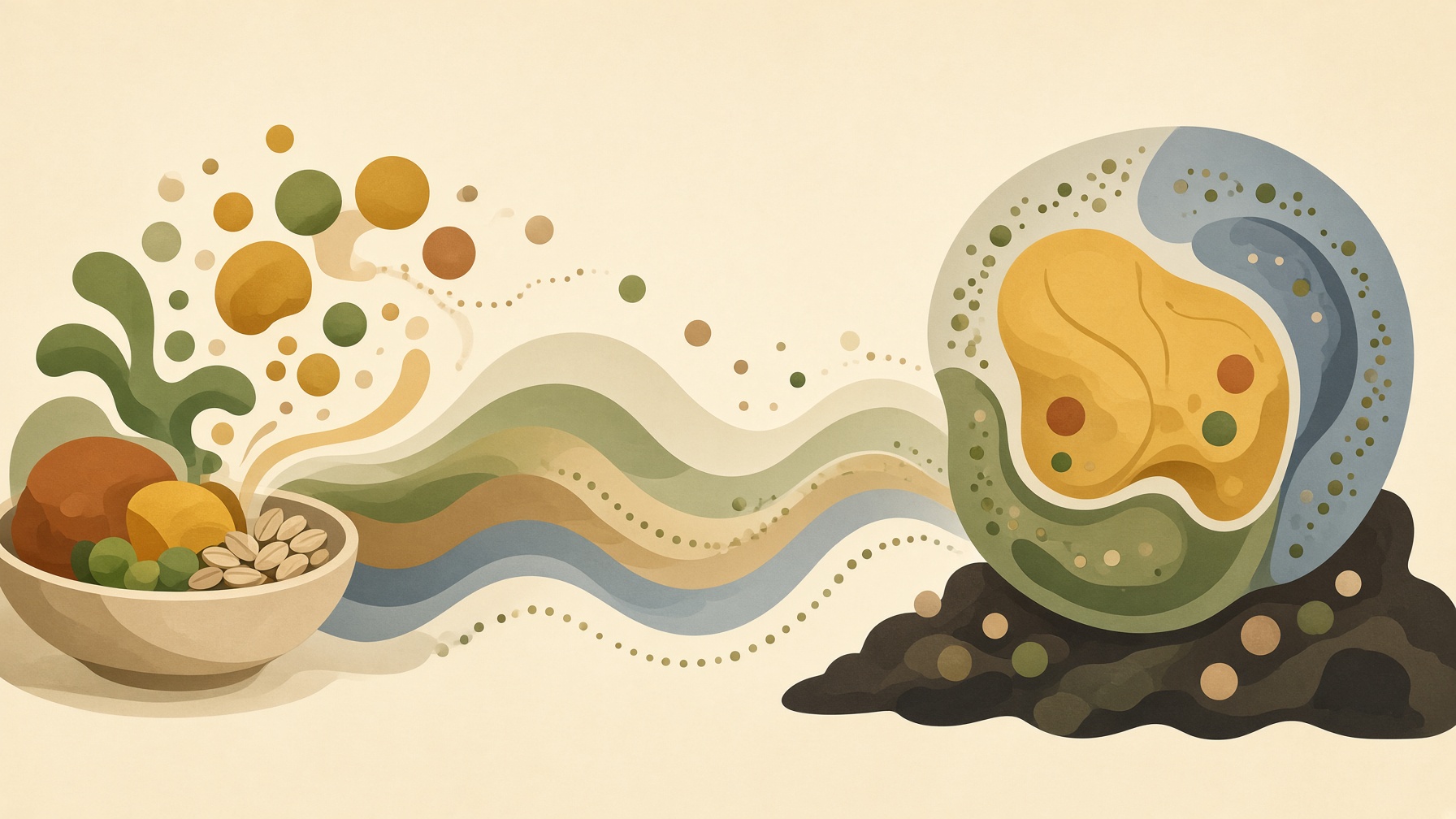
Fuel use shifts gradually between meals as nutrient supply and hormone signals change, moving metabolism from storage toward use of body reserves.
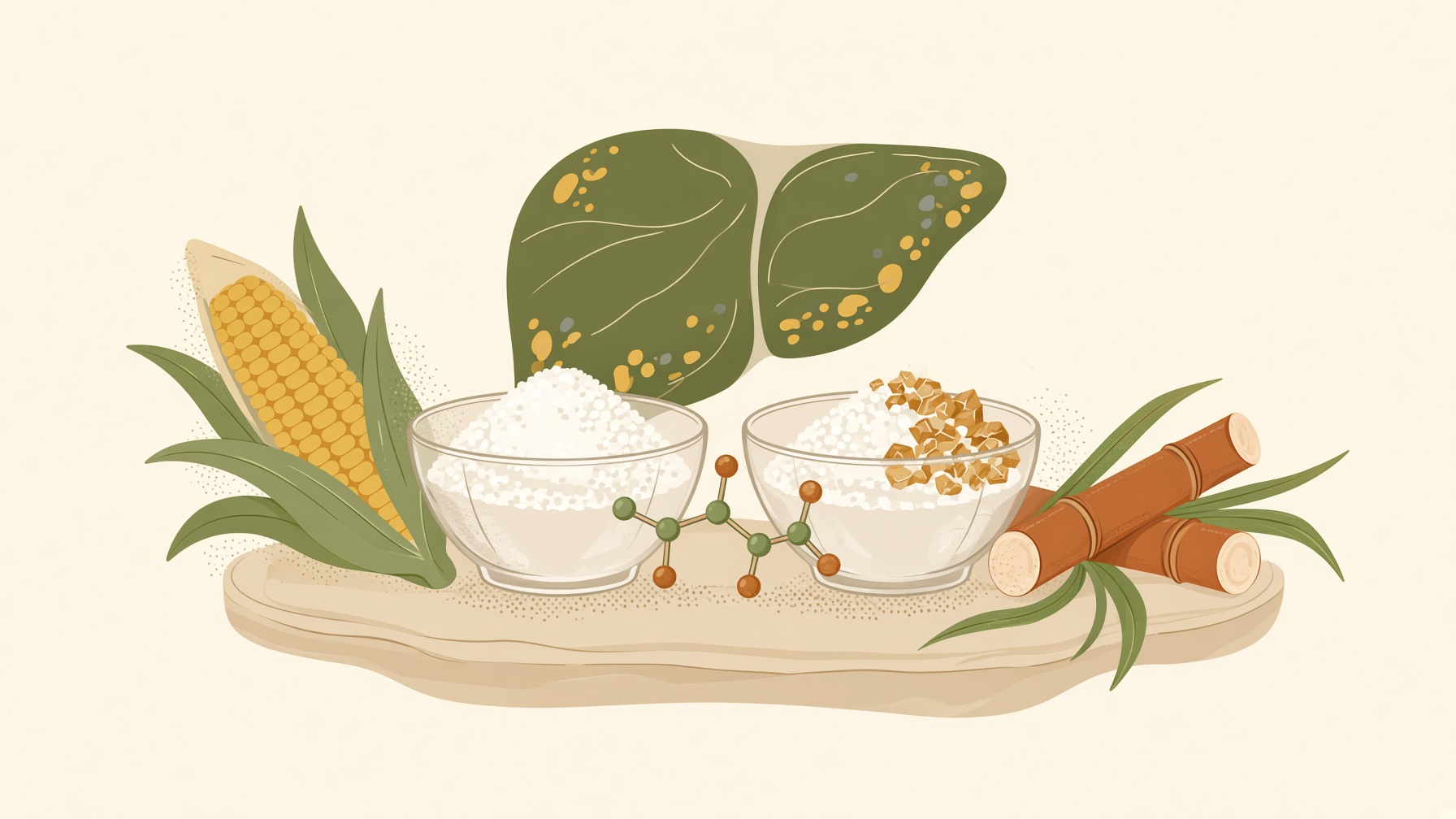
High-fructose corn syrup has not consistently caused greater weight gain than sucrose when calorie intake is comparable in controlled studies.
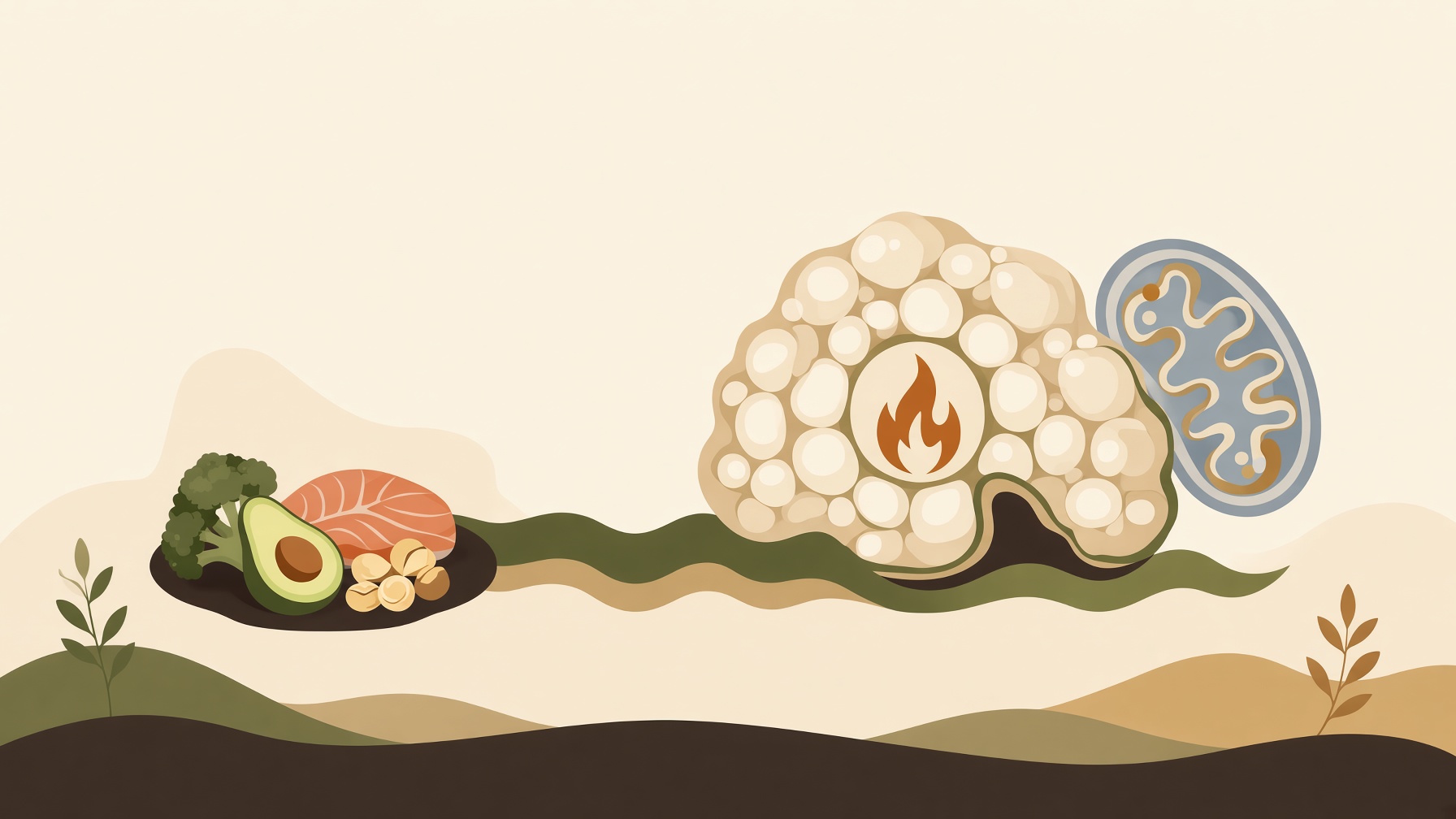
Low-carbohydrate diets can increase fat burning, but losing stored body fat still requires an energy deficit sustained over time.