
How Your Kneecap Helps You Move
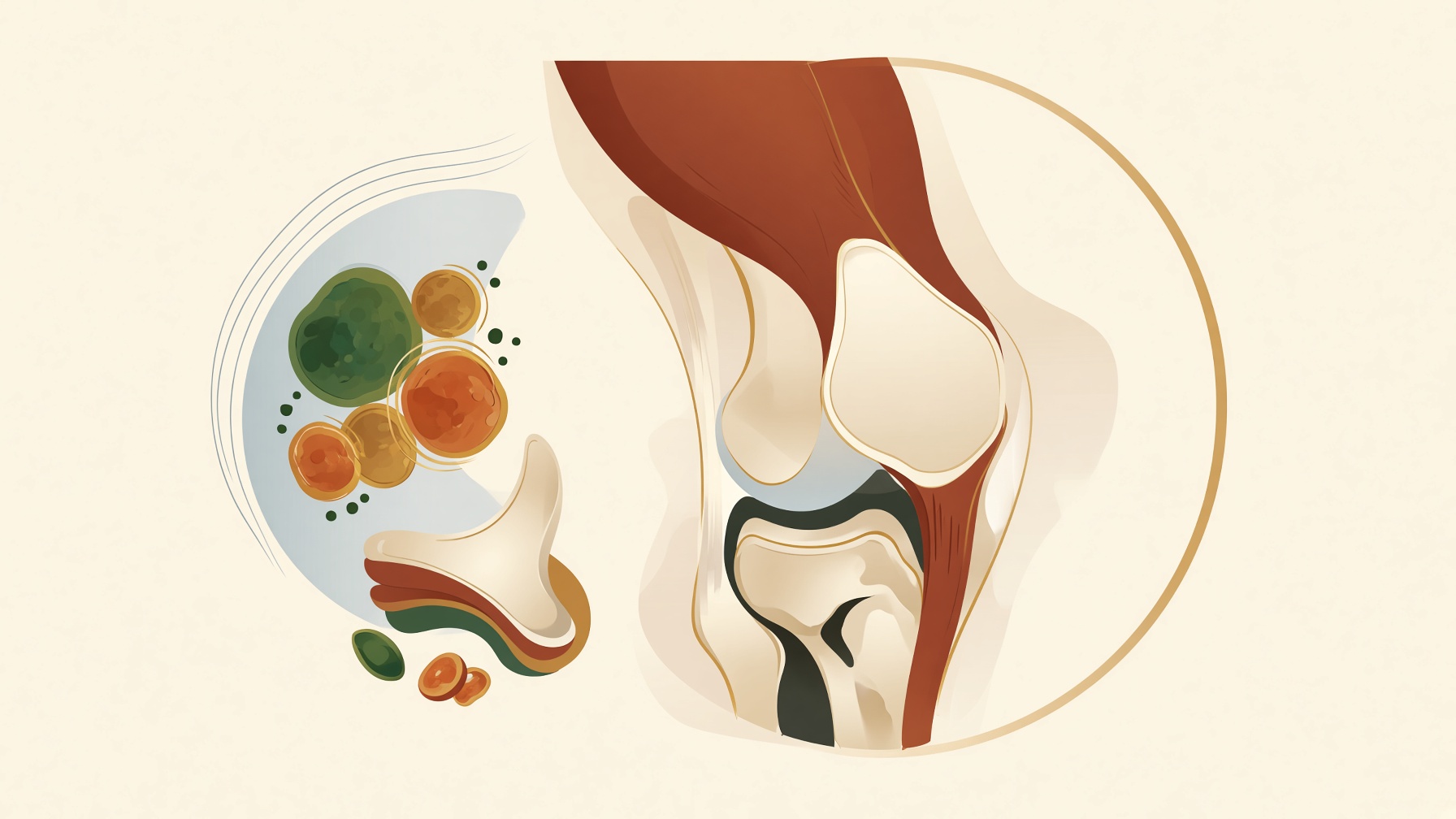
The kneecap improves the quadriceps muscle’s leverage by holding the tendon away from the knee joint, helping the muscle straighten the leg.
Wikis
A moment arm is the perpendicular distance between the line of action of a force and the axis about which that force produces rotation. In human biomechanics, a muscle’s moment arm is therefore the shortest perpendicular distance from the muscle-tendon line of action to the relevant joint axis of rotation. Moment arms are measures of distance and are commonly expressed in millimetres or centimetres .1
The moment arm determines how effectively a force produces torque. For a given force, torque magnitude depends on the force and its perpendicular moment arm. Thus, if two muscles produce the same force, the muscle with the larger moment arm can produce greater torque about that joint. The position and direction of the force relative to the joint axis also determine the direction of the resulting torque, such as whether it tends to produce flexion or extension .1
A muscle’s moment arm is not necessarily constant. As a joint moves, the position of the muscle’s line of action relative to the joint axis can change because of bone geometry, tendon routing, and wrapping around anatomical structures. Measurements at the elbow, for example, show substantial changes in muscle moment arms across different elbow and forearm positions .2
The moment arm should not be confused with the distance from a muscle’s attachment point to the joint. The mechanically relevant quantity is the perpendicular distance from the joint axis to the force’s line of action. This distinction is important because a muscle can attach relatively far from a joint axis yet have a smaller effective moment arm depending on the direction in which its tendon pulls .1
From this collection
The kneecap improves the quadriceps muscle’s leverage by holding the tendon away from the knee joint, helping the muscle straighten the leg.