
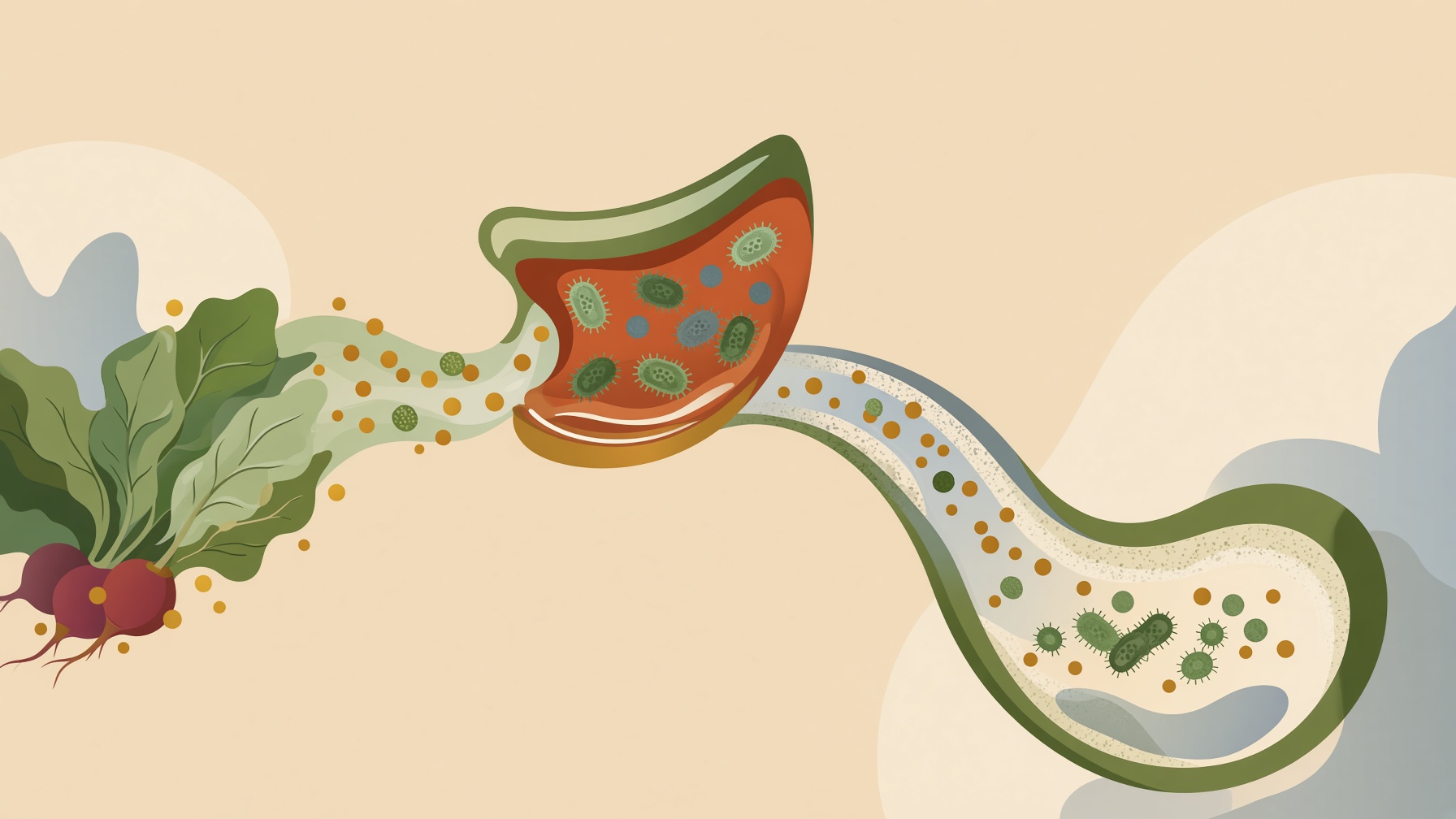
Same Beetroot Juice, Different Nitrite Response: Where Do Oral Bacteria Come In?
Oral bacteria help convert dietary nitrate into nitrite in saliva, allowing the mouth's role in the process to continue after swallowing.
Wikis
Oral microbiota form interacting communities in the mouth, where local conditions shape how resident microorganisms contribute to oral health.
Oral microbiota are the microorganisms that inhabit the mouth. Bacteria are a major component, but the community also includes fungi, archaea, and associated viruses. These organisms form a normal part of the oral environment, rather than being present only when infection or disease occurs .1
The mouth contains several distinct habitats, including tooth surfaces and the soft tissues lining the oral cavity. Many resident microbes live in biofilms, organized communities attached to surfaces. Within these communities, microbes interact through cooperation, competition, and chemical signaling. The oral microbiota are therefore an interacting ecosystem, not simply a list of individual species .2
Resident communities can help resist colonization by disease-promoting microorganisms and contribute to normal oral functions. Their relationship with the host depends on both the organisms present and the conditions in which they live. Diet, saliva, and other features of the local environment help shape these communities .1,2
A disruption in community composition or activity is often called dysbiosis. Such shifts can favor processes involved in tooth decay or gum disease .2
From this collection
Oral bacteria help convert dietary nitrate into nitrite in saliva, allowing the mouth's role in the process to continue after swallowing.