
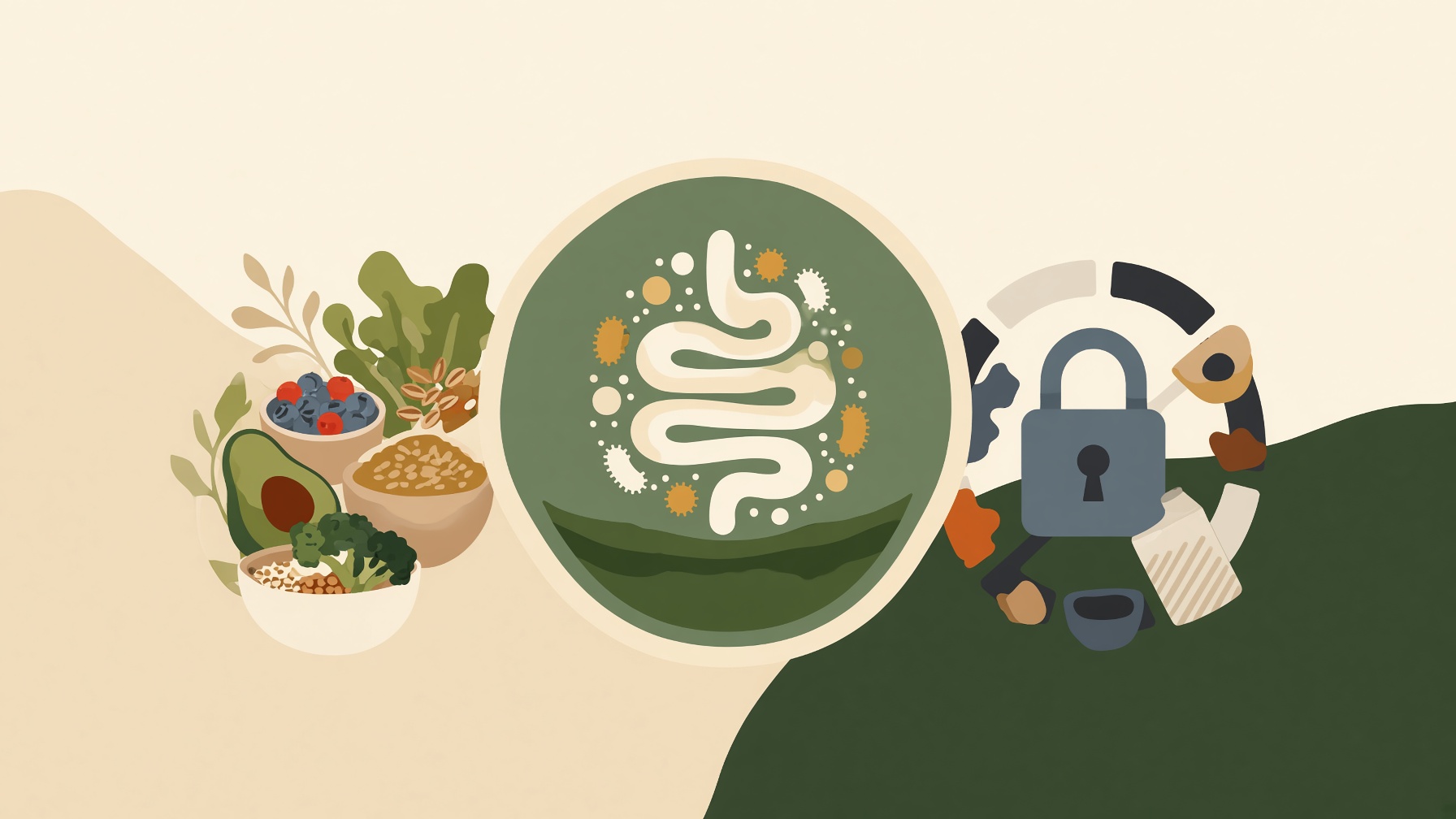
When Healthy Eating Becomes a Set of Rigid Rules, What Gets Lost?
Clean eating has no standard scientific definition, so the label cannot show whether a diet provides adequate nutrition or creates restrictive rules.
Wikis
Orthorexia describes a proposed pattern of rigid healthy-eating rules that cause distress or harm, rather than an ordinary preference for nutritious food.
Orthorexia nervosa is a proposed condition characterized by an excessive or rigid preoccupation with eating foods perceived as healthy, pure, or correct. The concern is not simply an interest in nutritious food, but a pattern in which food rules become inflexible and are associated with distress, nutritional compromise, social impairment, or other meaningful disruption of daily life .1,2
Research descriptions commonly include escalating restriction, extensive time spent planning or evaluating food, strong moral judgments about food choices, and anxiety or guilt when self-imposed rules are broken. The focus may center more on the perceived quality or purity of food than on body weight, although symptoms can overlap with established eating disorders and obsessive-compulsive features .1,2
Orthorexia nervosa is not currently a universally established standalone diagnosis with one internationally accepted set of criteria. Expert consensus work has attempted to clarify its core features, but measurement tools and diagnostic boundaries remain under development. It should therefore be distinguished from ordinary health-conscious eating. Choosing nutritious foods is not pathological by itself; the proposed disorder involves rigidity and adverse consequences that make the behavior clinically significant .1,2
From this collection
Clean eating has no standard scientific definition, so the label cannot show whether a diet provides adequate nutrition or creates restrictive rules.