
Wikis
Peripheral Blood Mononuclear Cells (PBMCs)
1
related articles
Open in Explore
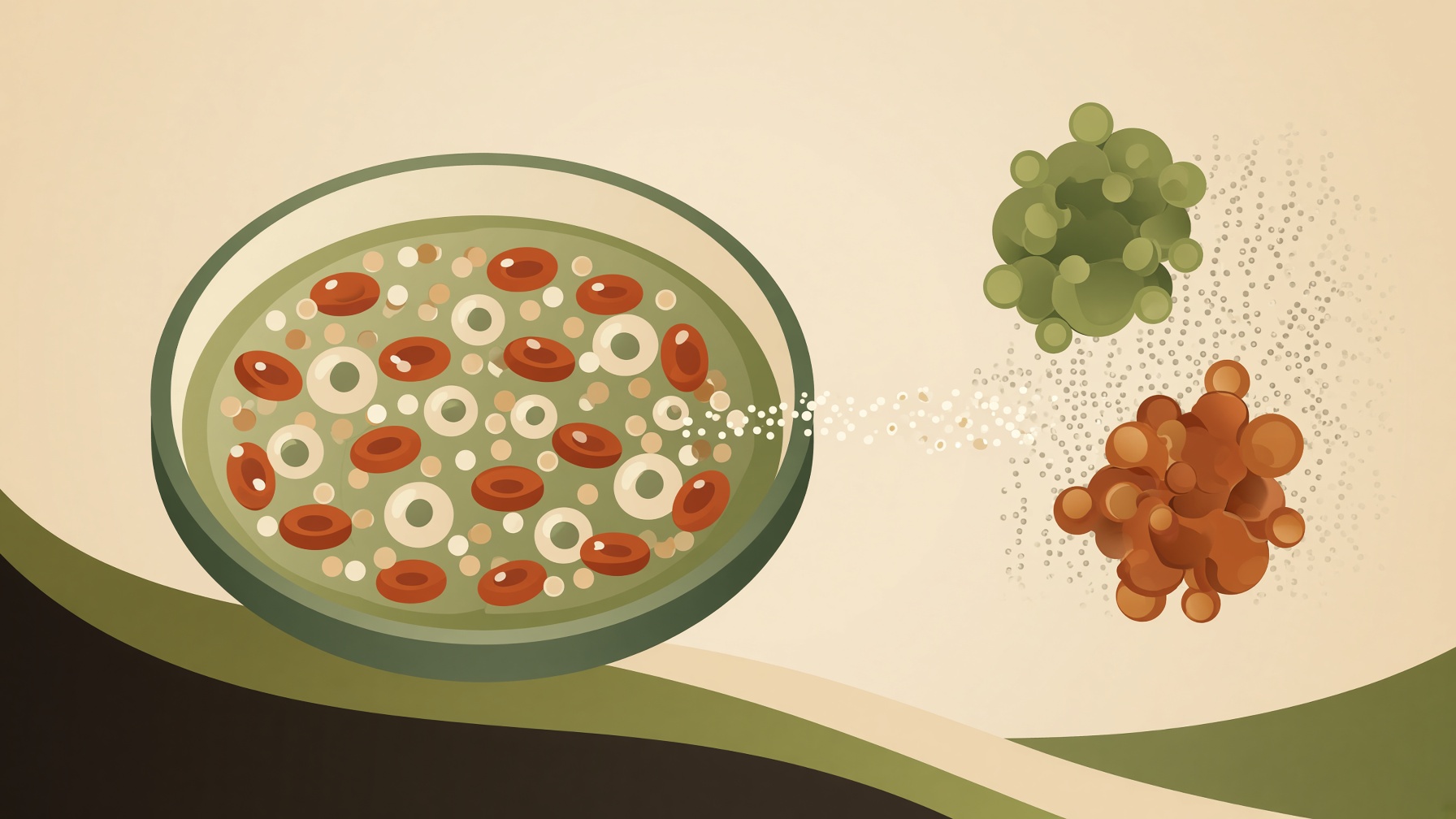
Peripheral blood mononuclear cells, or PBMCs, are a mixed group of immune cells found in circulating blood. They include lymphocytes, such as T cells, B cells, and natural killer cells, together with monocytes and smaller numbers of dendritic cells. The name describes a cell group rather than one specialized cell type .1
Researchers commonly separate PBMCs from a blood sample using differences in cell density. This produces a fraction containing these cells while separating out red blood cells and granulocytes, including neutrophils. PBMCs therefore represent only part of the blood's immune-cell population .1
PBMC samples provide an accessible way to study immune responses, including cell multiplication, signaling-molecule release, and changes in gene expression. Their composition and responsiveness vary between people and with physiological conditions. Cells collected from blood also differ from immune cells living in tissues, and laboratory conditions remove them from their usual surroundings. Findings from a PBMC sample consequently need to be interpreted as results from that particular mixture and setting .1
References
- Kleiveland CR Peripheral Blood Mononuclear Cells. The Impact of Food Bioactives on Health: in vitro and ex vivo models. 2015. DOI
From this collection
Articles