
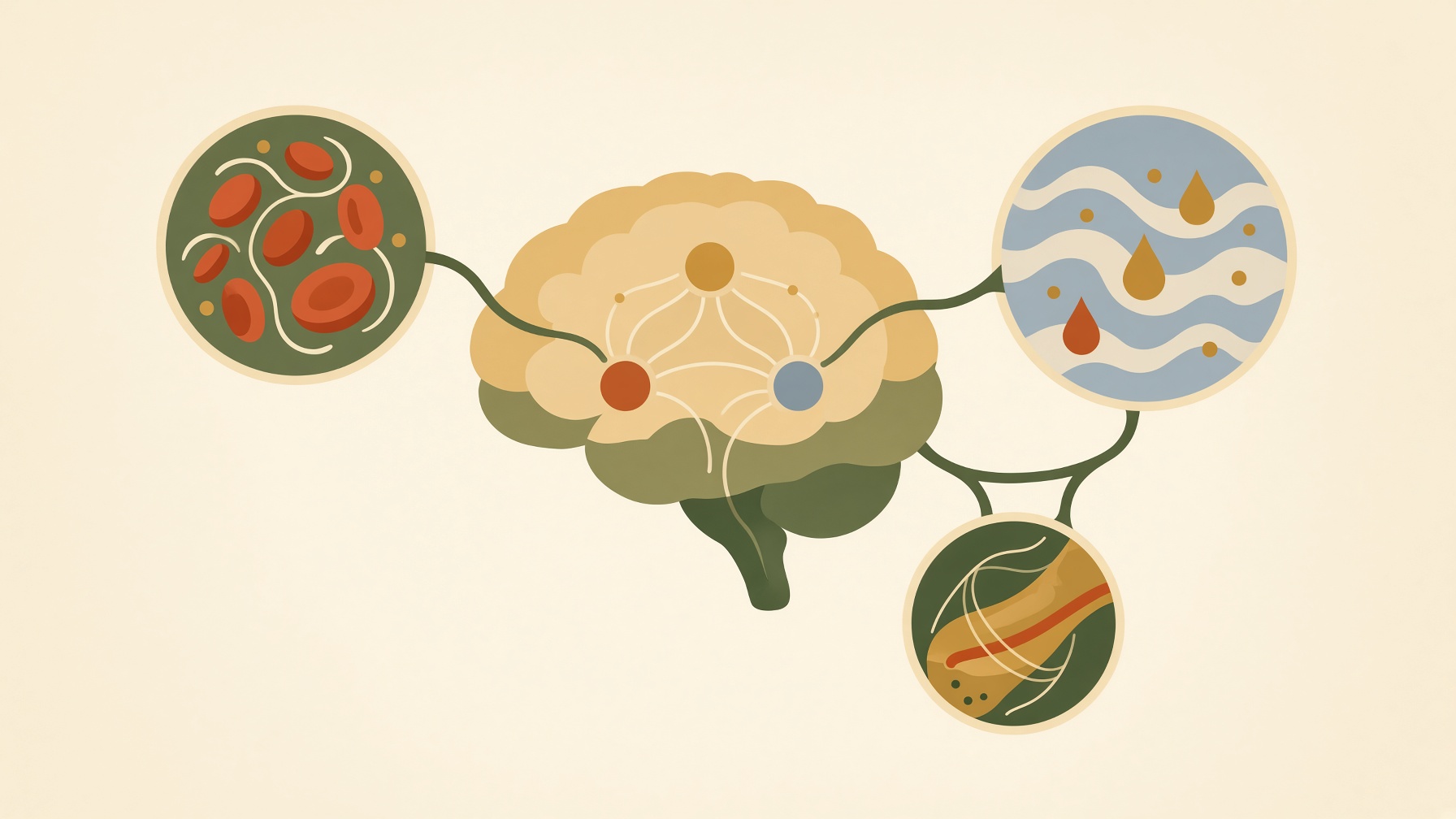
What Actually Makes You Feel Thirsty?
Thirst responds to changes in body-fluid balance, but signals from drinking can reduce the urge before water fully corrects the imbalance.
Wikis
Satiation is the set of processes that develops during eating and contributes to bringing an eating episode to an end. As food is consumed, signals generated by its sensory properties and by its passage through the gastrointestinal tract progressively reduce the motivation to continue eating. Satiation therefore plays an important role in determining meal size .1,2
Satiation results from multiple interacting signals rather than a single mechanism. Sensory information from tasting, chewing, and swallowing provides early feedback during a meal. As the stomach fills, gastric distension generates mechanical signals, while nutrients reaching the small intestine stimulate nutrient-sensitive pathways and the release of gastrointestinal hormones such as cholecystokinin, GLP-1, and peptide YY. Neural and hormonal information from these processes is integrated by the nervous system and contributes to meal termination .2
The strength and timing of satiation can depend on characteristics of both the food and the person eating it. Factors such as food volume, energy content, texture, rate of consumption, gastric processing, and gastrointestinal responses can alter the signals generated during a meal. Psychological and sensory influences can also interact with these physiological signals .1,2
Satiation is closely related to, but distinct from, satiety. Satiation develops during eating and contributes to meal termination, whereas satiety refers to the suppression of hunger and further eating that operates mainly after a meal and influences the interval before eating resumes. The underlying processes overlap, but the terms emphasize different stages of appetite regulation .1
From this collection
Thirst responds to changes in body-fluid balance, but signals from drinking can reduce the urge before water fully corrects the imbalance.
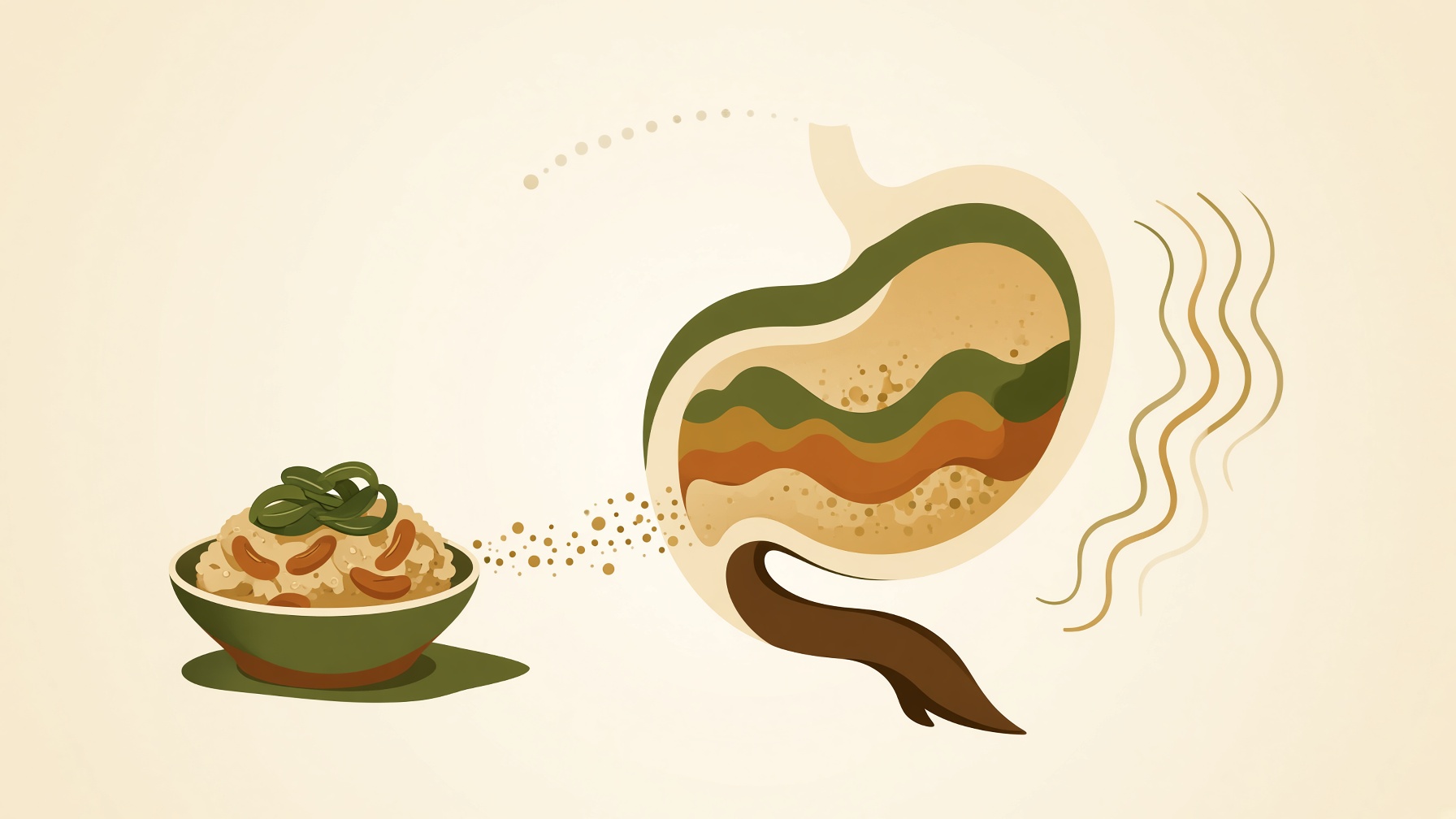
Foods can change hunger and fullness, but appetite responses depend on the meal and the person rather than following a fixed timetable.