
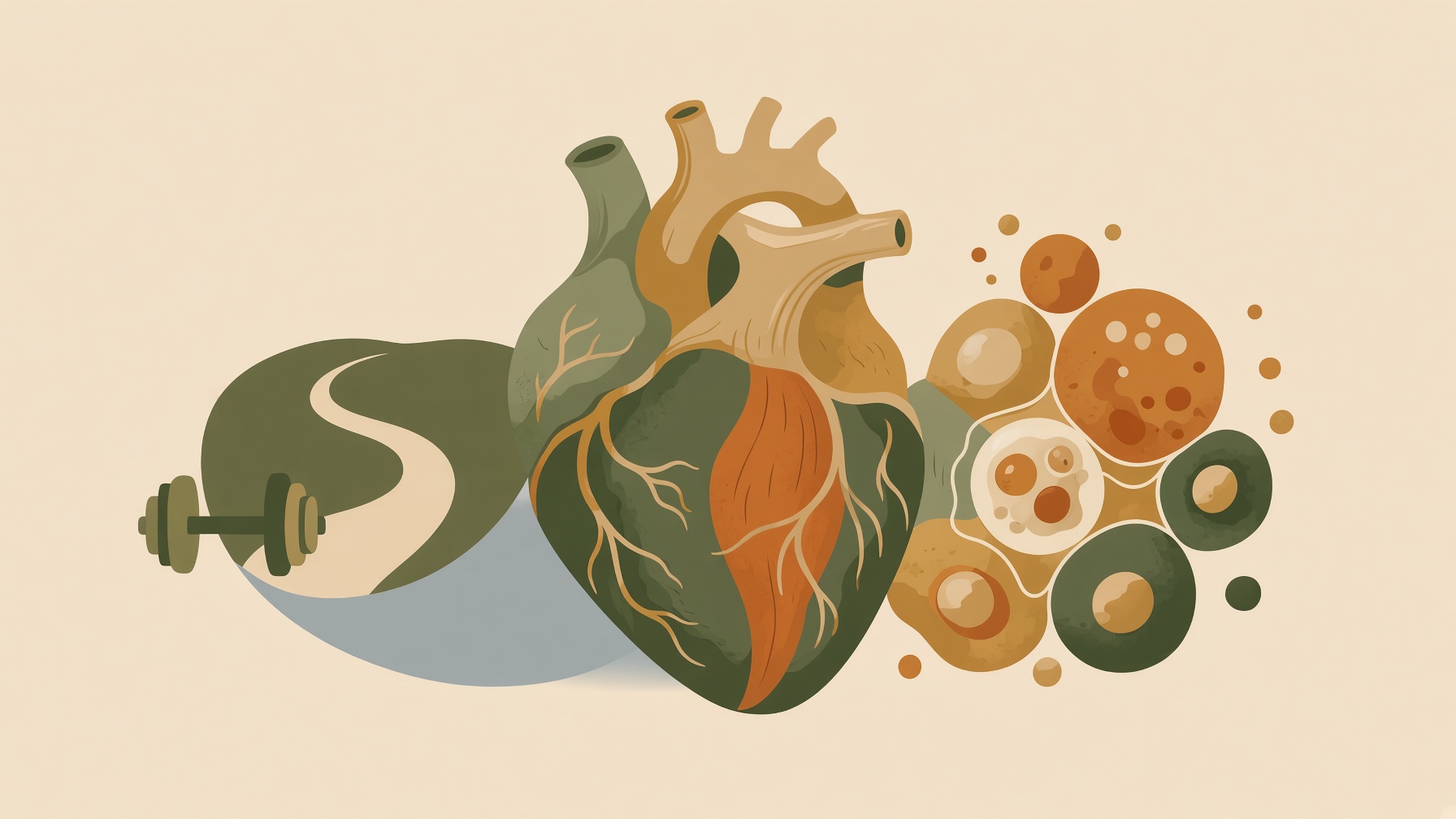
A Larger Heart Isn’t Always an Athlete’s Heart
Heart enlargement can reflect healthy training adaptations or disease, so a larger heart does not automatically mean an athlete’s heart.
Wikis
Sudden cardiac death (SCD) is an unexpected death caused or presumed to be caused by a cardiac condition and occurring over a short time. In witnessed cases, it is commonly defined as death occurring within about one hour of the onset of acute symptoms. For unwitnessed deaths, definitions often include people found dead within 24 hours of having last been seen alive and apparently well, although specific criteria can vary among definitions .1,2
SCD usually follows sudden cardiac arrest, in which the heart abruptly ceases to maintain effective circulation. Ventricular fibrillation and pulseless ventricular tachycardia are important arrhythmic mechanisms, but cardiac arrest can also present with non-shockable rhythms such as asystole or pulseless electrical activity. The exact mechanism varies with the underlying cardiac condition .1,2
In adults, coronary artery disease and other forms of structural heart disease are major underlying causes of SCD. Cardiomyopathies, including hypertrophic and dilated cardiomyopathy, can also create structural or electrical abnormalities that increase susceptibility to life-threatening ventricular arrhythmias. In some people, particularly younger individuals, inherited electrical disorders such as long QT syndrome or Brugada syndrome can cause SCD even when major structural abnormalities are not evident .1,2
Sudden cardiac death is not synonymous with sudden cardiac arrest. Cardiac arrest describes the abrupt loss of effective cardiac function and can sometimes be reversed by resuscitation. Sudden cardiac death refers specifically to the fatal outcome .1,2
From this collection
Heart enlargement can reflect healthy training adaptations or disease, so a larger heart does not automatically mean an athlete’s heart.