
More Vitamin E Does Not Necessarily Mean More Protection
Vitamin E protects membrane lipids, but high-dose supplements have not shown clear benefits for preventing heart disease or cancer in healthy adults.
Wikis
Tocopherols are a family of fat-soluble compounds within the broader group known as vitamin E. Four naturally occurring forms are commonly recognized: alpha-, beta-, gamma-, and delta-tocopherol. They share a chromanol ring and a long, saturated hydrocarbon side chain but differ in the number and positions of methyl groups attached to the ring. These structural differences influence how the individual tocopherols are handled in the body .1,2
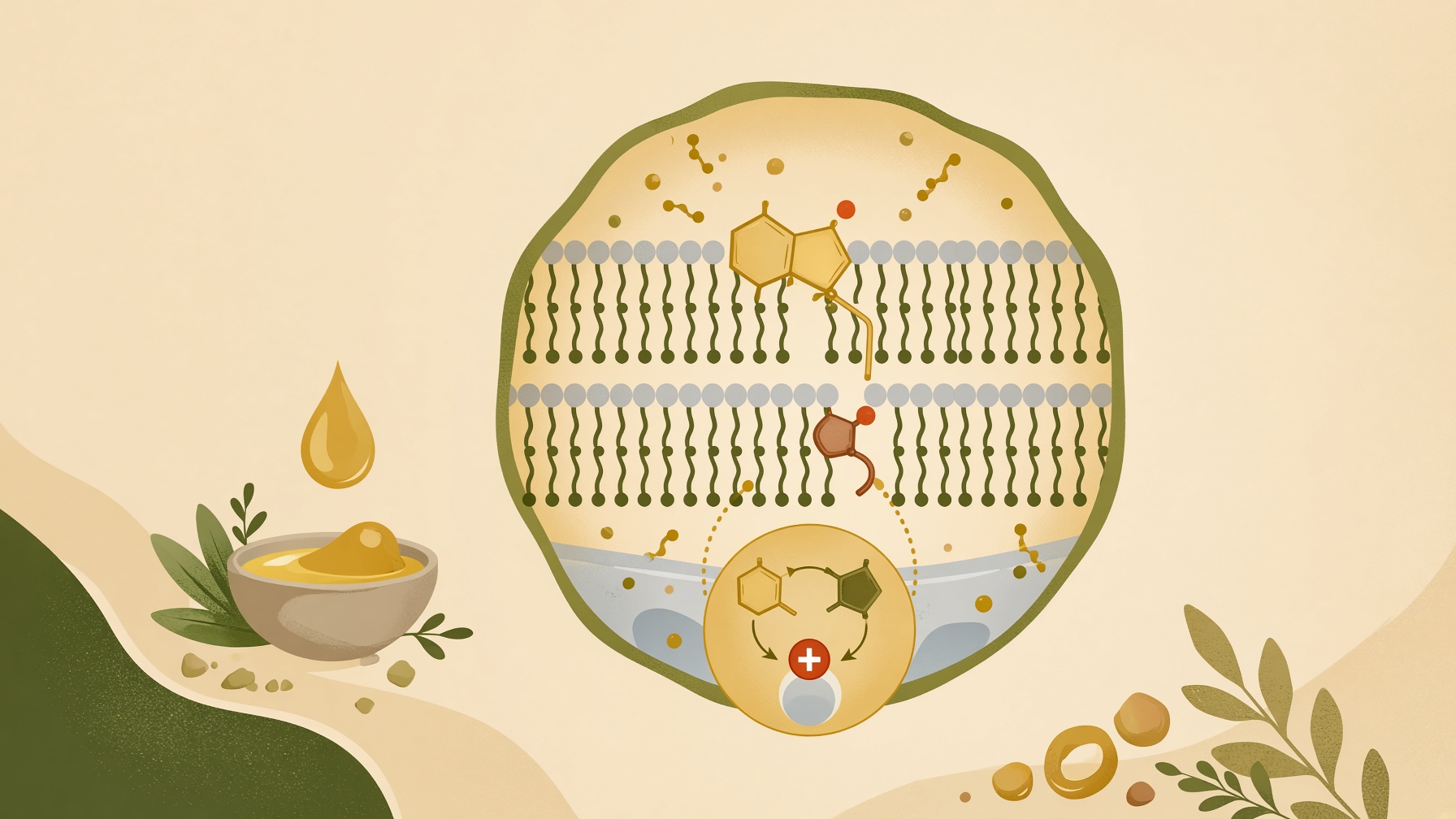
Tocopherols can function as lipid-soluble antioxidants. Their chromanol ring can donate a hydrogen atom to lipid peroxyl radicals, producing a relatively stabilized tocopheroxyl radical and interrupting chain reactions involved in lipid peroxidation. This chemistry allows tocopherols to act within lipid-rich environments such as cell membranes and circulating lipoproteins .2
Tocopherols are closely related to tocotrienols, the other major structural family within vitamin E. Both contain a similar chromanol ring, but their side chains differ. Tocopherols have a saturated side chain, whereas tocotrienols contain three carbon-carbon double bonds. Each family includes alpha, beta, gamma, and delta forms .1,2
Although several tocopherols occur naturally and can be absorbed, the human body preferentially retains alpha-tocopherol. The liver's alpha-tocopherol transfer protein preferentially facilitates the incorporation of alpha-tocopherol into pathways that return it to the circulation, while other vitamin E forms are more extensively metabolized. Alpha-tocopherol is therefore the form of vitamin E used to define human vitamin E requirements .1,2
From this collection
Vitamin E protects membrane lipids, but high-dose supplements have not shown clear benefits for preventing heart disease or cancer in healthy adults.