
How Your Kneecap Helps You Move
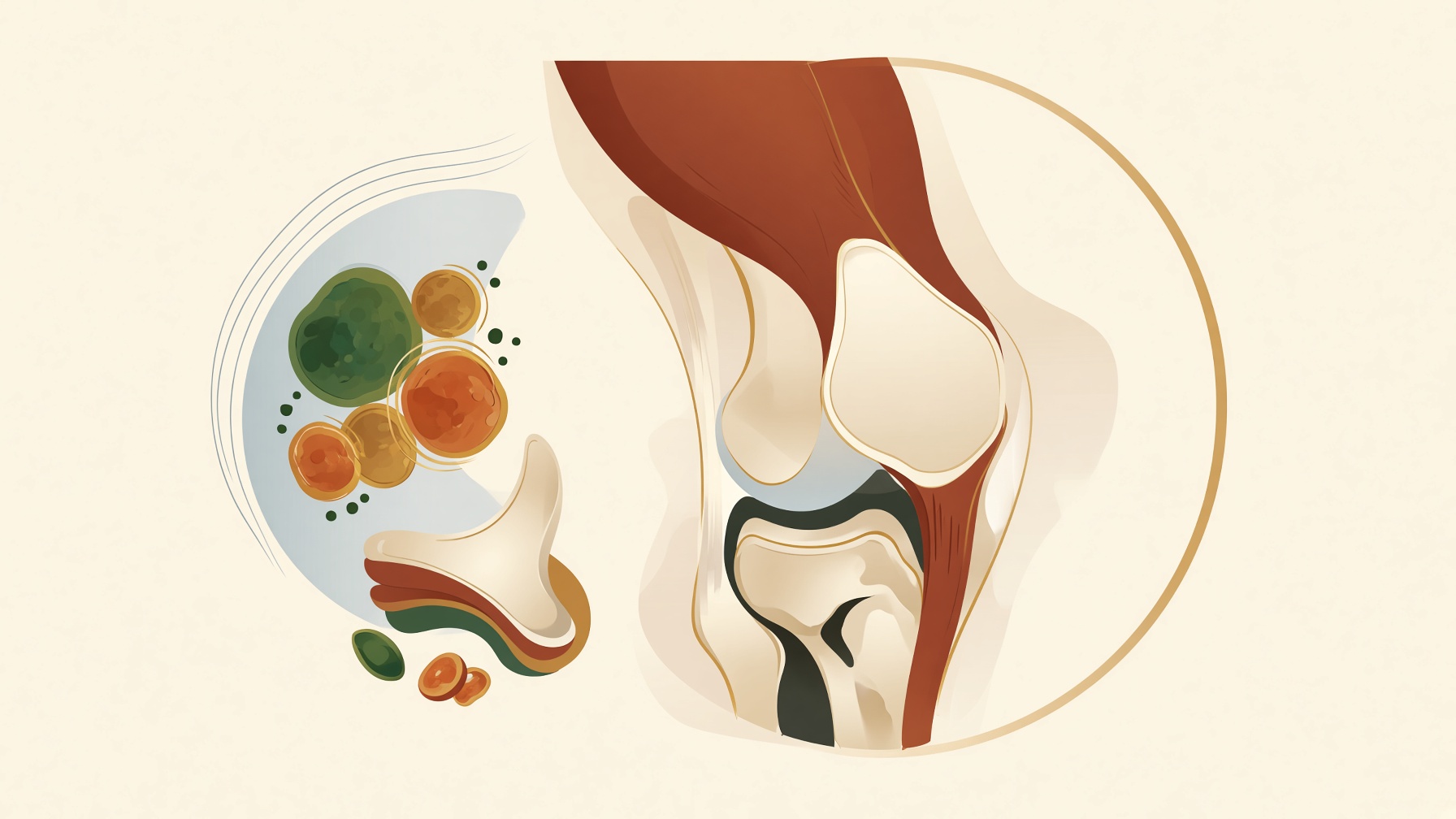
The kneecap improves the quadriceps muscle’s leverage by holding the tendon away from the knee joint, helping the muscle straighten the leg.
Wikis
The trochlear surface, in knee anatomy, is the cartilage-covered articular surface on the anterior part of the distal femur that articulates with the posterior surface of the patella, or kneecap. Together, these surfaces form the patellofemoral joint. The term trochlear refers to its pulley-like shape, which provides a pathway along which the patella moves as the knee bends and straightens .1
The femoral trochlear surface consists of a central depression, called the trochlear groove or trochlear sulcus, bordered by medial and lateral facets. These facets are not symmetrical. The lateral facet is generally more prominent than the medial facet and contributes to the bony guidance and stability of the patella as it moves through the trochlea .1
The trochlear surface should not be confused with the trochlear groove alone. The groove is the central recessed part of the trochlea, whereas the trochlear surface includes the broader articular region that interacts with the patella. Its shape and overlying articular cartilage together define the geometry of this contact surface .1,2
As the knee flexes, the patella progressively engages with the trochlear surface, and the geometry of the distal femur helps guide and stabilize it. Abnormal development or shape of the femoral trochlea is termed trochlear dysplasia, which is distinct from the normal anatomical trochlear surface itself .2
From this collection
The kneecap improves the quadriceps muscle’s leverage by holding the tendon away from the knee joint, helping the muscle straighten the leg.