
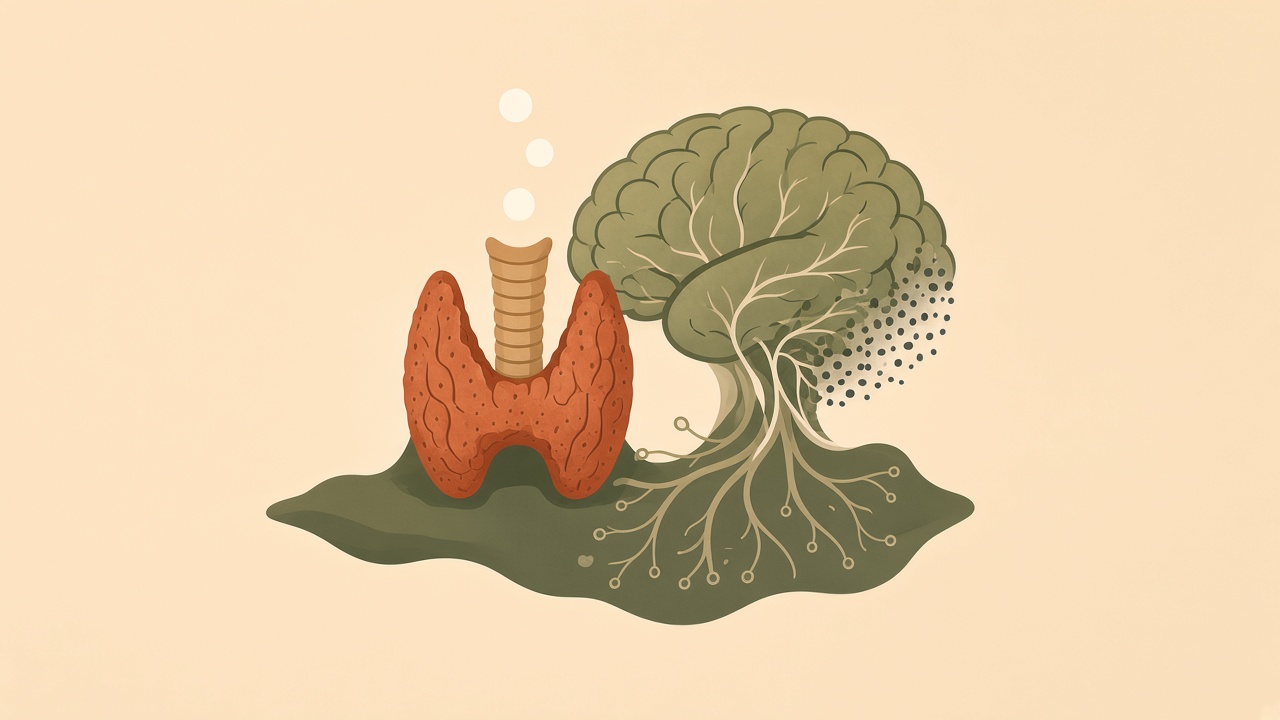
Iodine becomes especially important during pregnancy and early childhood because it supports the production of thyroid hormones, which have essential roles in growth and development. The importance of iodine during these stages comes largely from its role in making the hormones required for normal brain and nervous-system development.
Iodine is an essential component in the synthesis of the thyroid hormones thyroxine, or T4, and triiodothyronine, or T3. These hormones are necessary for normal development, including the development of the brain and nervous system, as well as broader processes involved in growth and maturation. Iodine therefore supports neurodevelopment indirectly through its indispensable role in thyroid-hormone production .1
Timing makes inadequate thyroid hormone availability particularly consequential. The effects can be especially severe during fetal life and early childhood, periods when thyroid hormone is critical for brain development. Severe iodine deficiency during pregnancy can disrupt this system enough to cause profound and irreversible neurodevelopmental impairment in the offspring .1
The consequences extend beyond individual cases. Severe iodine deficiency remains an important preventable cause of neurodevelopmental impairment worldwide. Its public-health importance reflects both the essential developmental role of thyroid hormones and the fact that deficiency during vulnerable periods can produce lasting effects .1
Iodine is therefore especially important early in life because adequate thyroid-hormone production is required during critical stages of development. Preventing severe iodine deficiency during pregnancy and childhood remains a major public-health priority because the consequences of inadequate thyroid hormone availability during these periods can be permanent.


Join the discussion
No account or email is required. Your display name and comment will be public.