
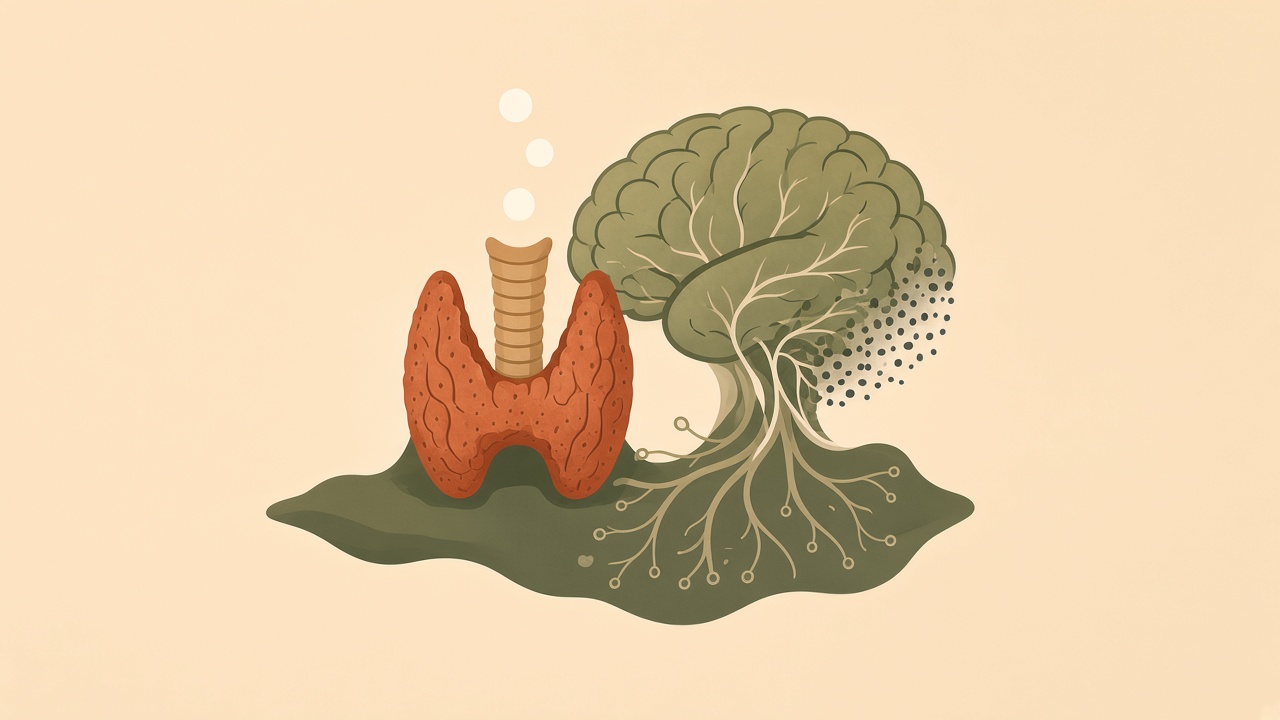
How Iodine Supports Early Brain Development
Iodine supports thyroid hormone production during early development, when severe deficiency can cause lasting damage to the brain and nervous system.
Categories
Human nutrition and metabolism looks at how food nourishes the body and what happens after we eat. Nutrition focuses on the relationship between food, nutrients, and health. Metabolism is the set of processes the body uses to process, store, and use nutrients and manage energy under different conditions.
The body needs energy and nutrients to function and repair itself. How nutrients are supplied, processed, and used plays an important role in health. Nutrition is one part of a wider picture that includes genetics, environment, life stage, physical activity, sleep, and other aspects of lifestyle.
This category covers how carbohydrates, fats, and proteins are digested, absorbed, stored, and used; how vitamins and minerals support normal body functions; and how the body manages energy in different states. It also includes fiber, hydration, dietary patterns, nutrient requirements, food safety, body composition, and eating habits such as what people eat, how much they eat, and how often.
Here, we look at what nutrients do in the body, how food relates to energy and metabolism, and how dietary patterns and eating habits fit into overall health. We also unpack common nutrition concepts so they are easier to understand and judge. The goal is to support more informed food and lifestyle choices, with less reliance on nutrition misinformation, pseudoscience, and unsupported claims.
Our approach emphasizes evidence, practicality, flexibility, and respect for different cultural contexts. We aim to translate nutrition science into useful everyday understanding. That means explaining how nutrition works, where individual differences matter, and how to think more critically about nutrition information and trends.
From this collection
Iodine supports thyroid hormone production during early development, when severe deficiency can cause lasting damage to the brain and nervous system.
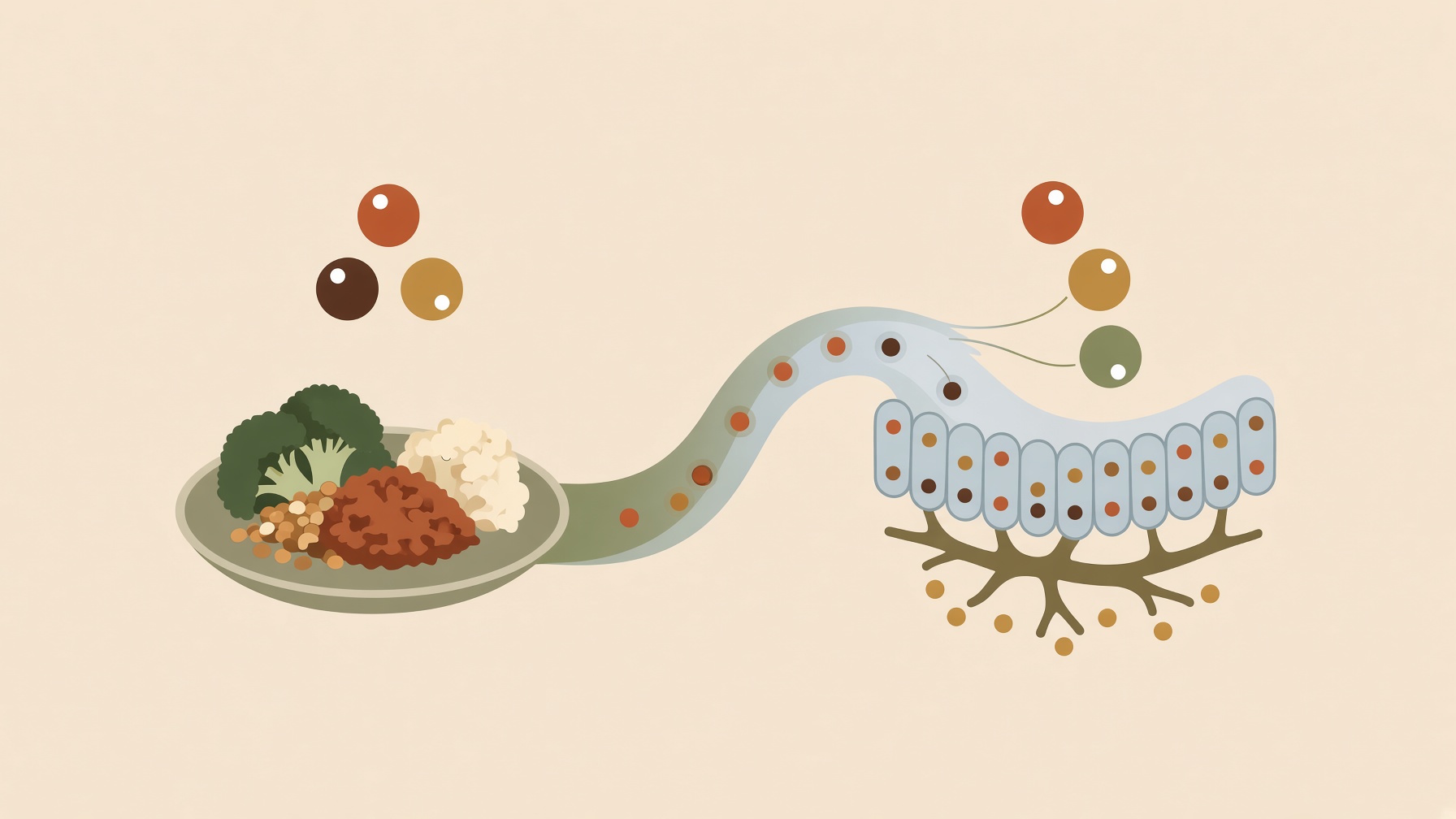
Iron absorption depends on chemical form and meal composition as well as the body’s iron stores, so intake alone does not show how much is absorbed.
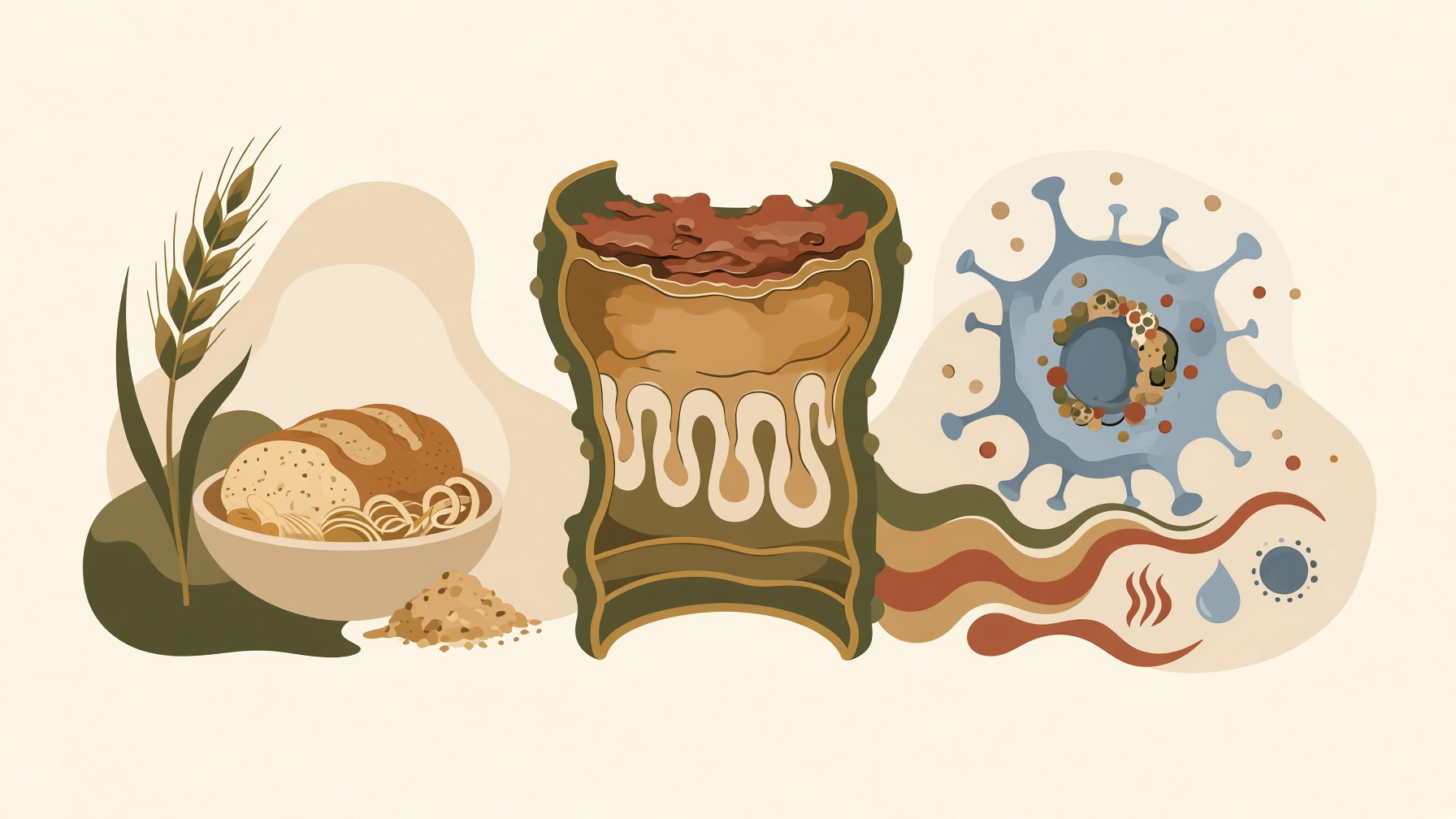
Celiac disease causes gluten-triggered autoimmune damage to the small intestine, a different immune process from the reactions behind food allergy.
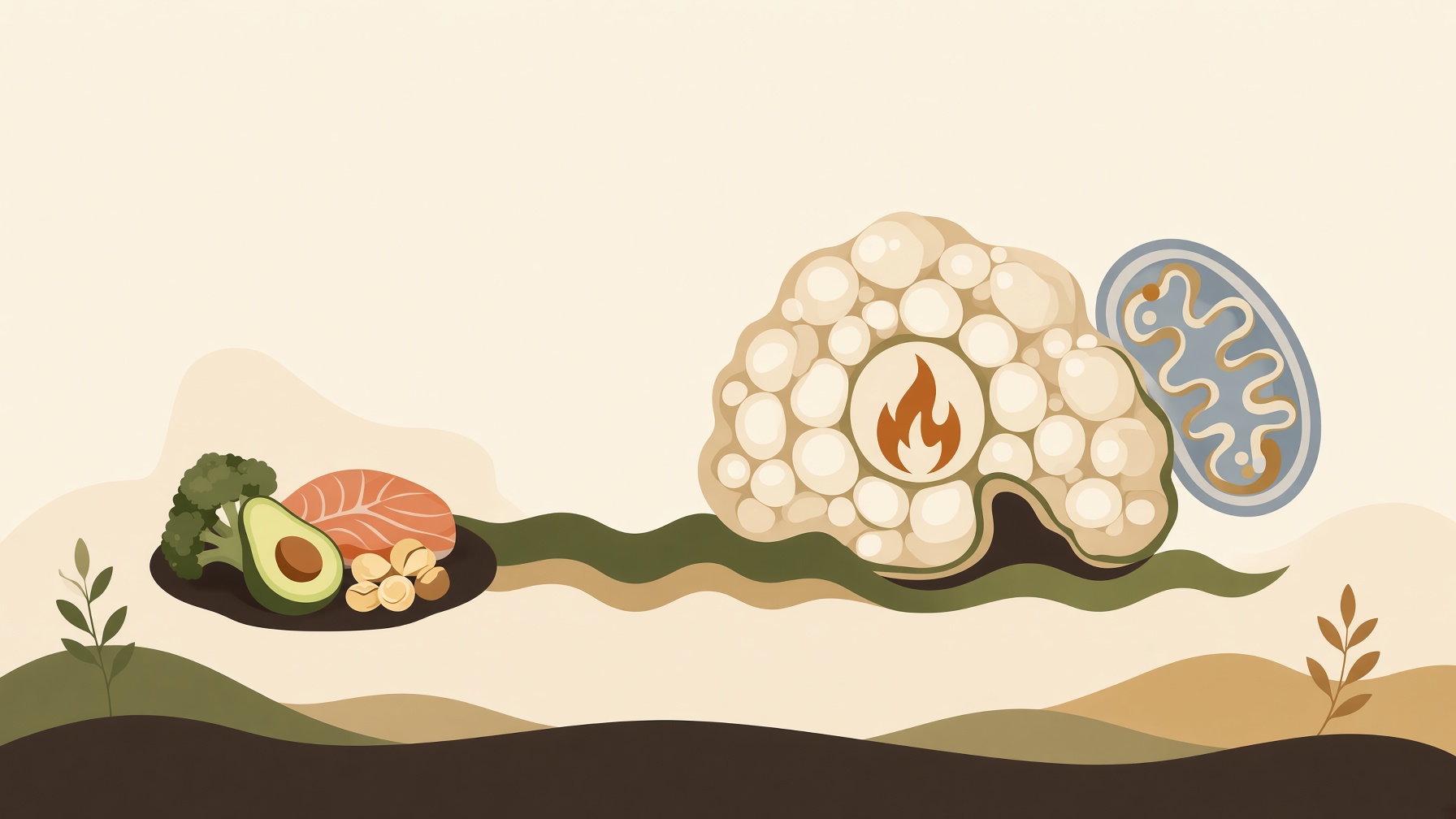
Low-carbohydrate diets can increase fat burning, but losing stored body fat still requires an energy deficit sustained over time.
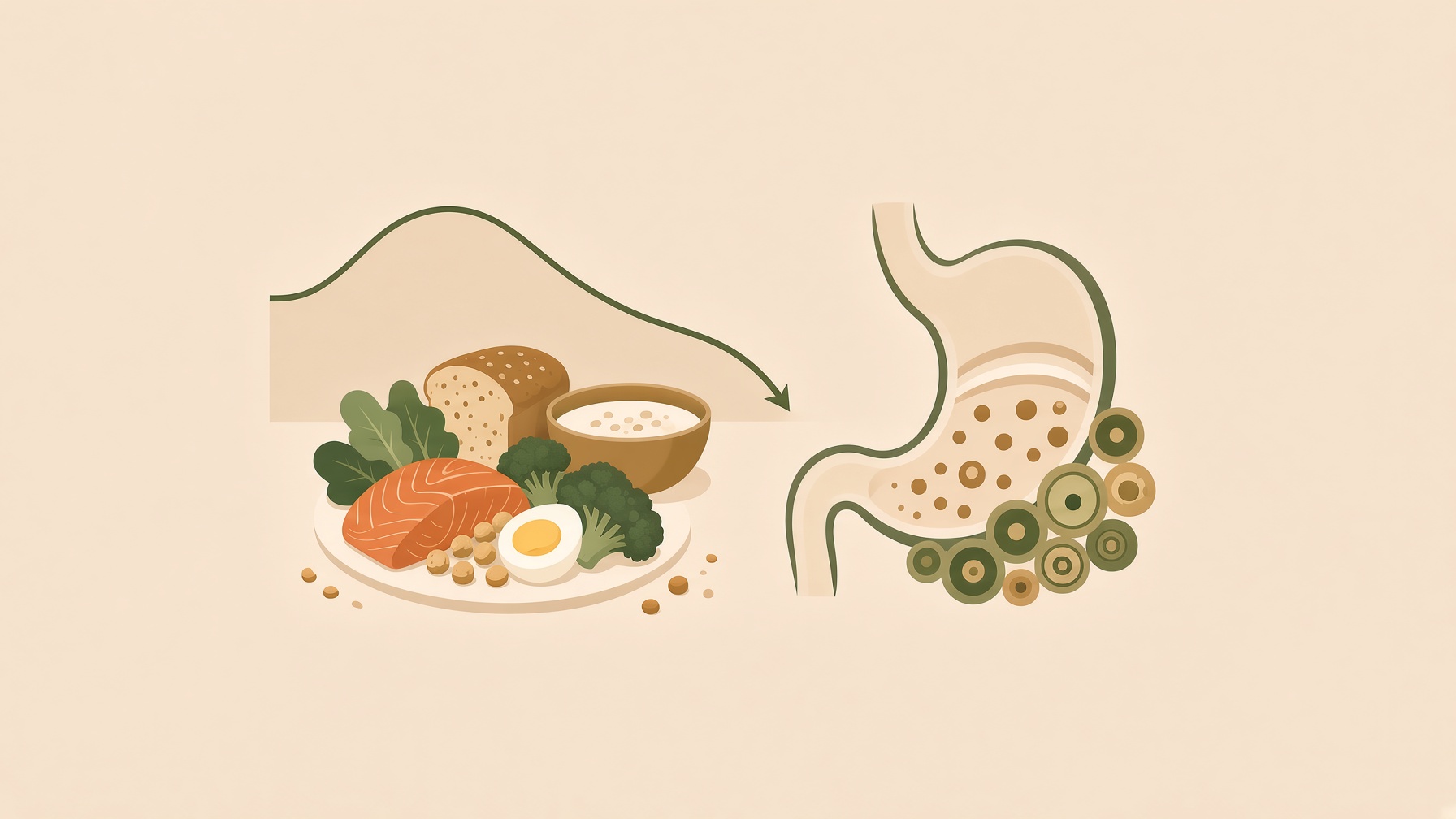
Appetite loss in older adults can push food intake below energy needs, increasing the risk of unintended weight loss even as calorie needs decline.
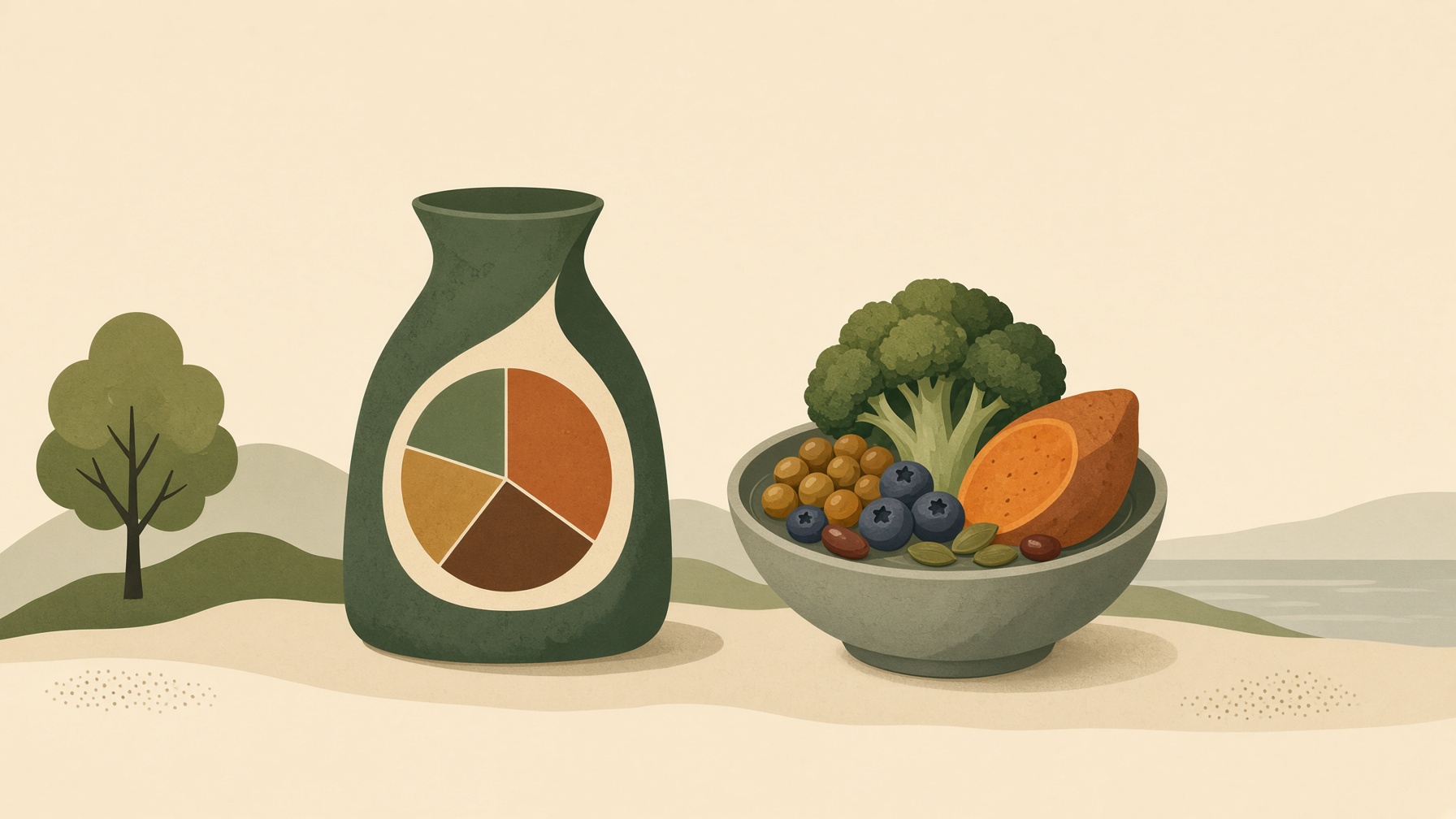
Older adults may need fewer calories while still needing nutrient-rich foods, making adequate nutrition within a smaller intake more challenging.
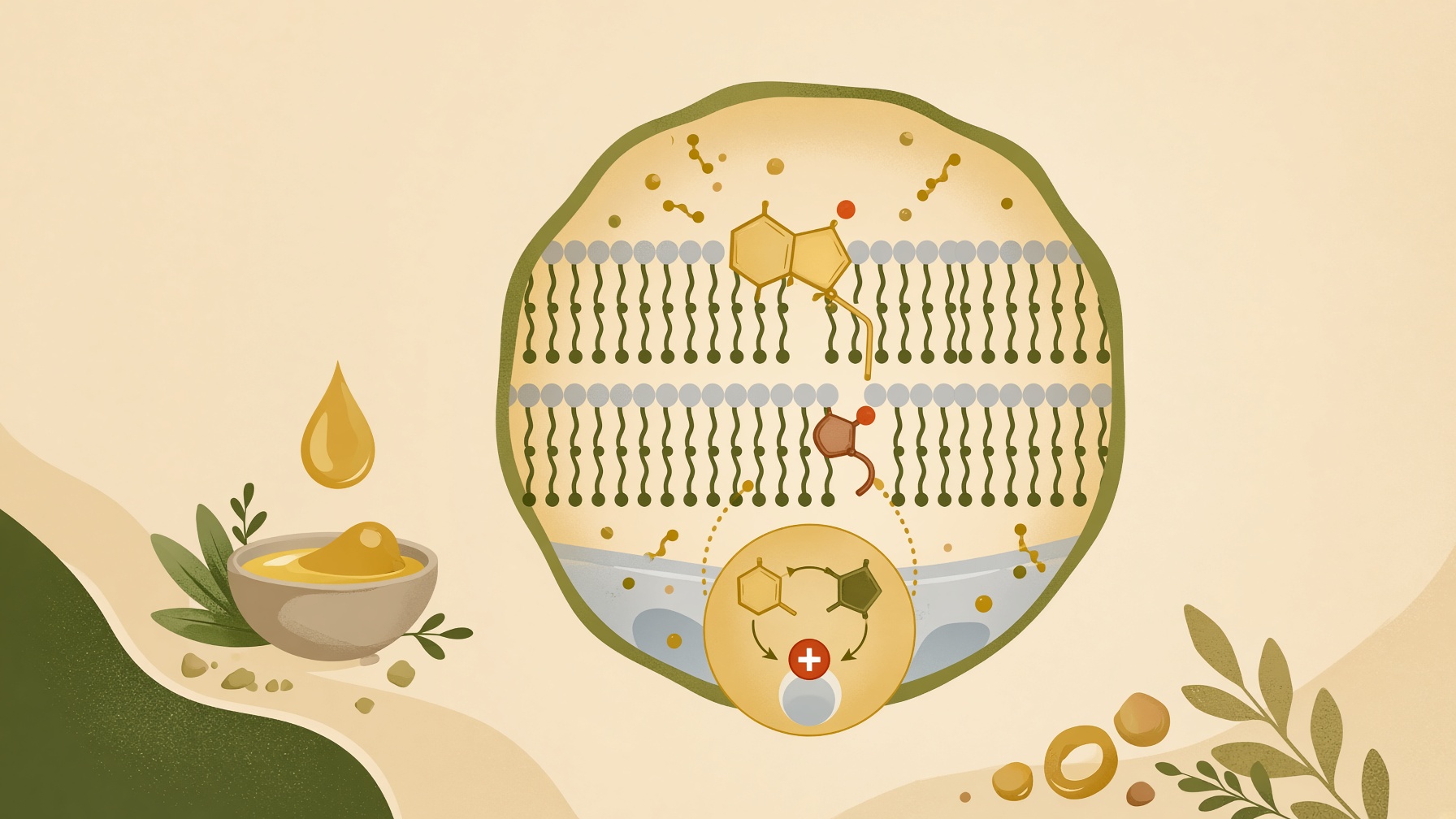
Vitamin E protects membrane lipids, but high-dose supplements have not shown clear benefits for preventing heart disease or cancer in healthy adults.
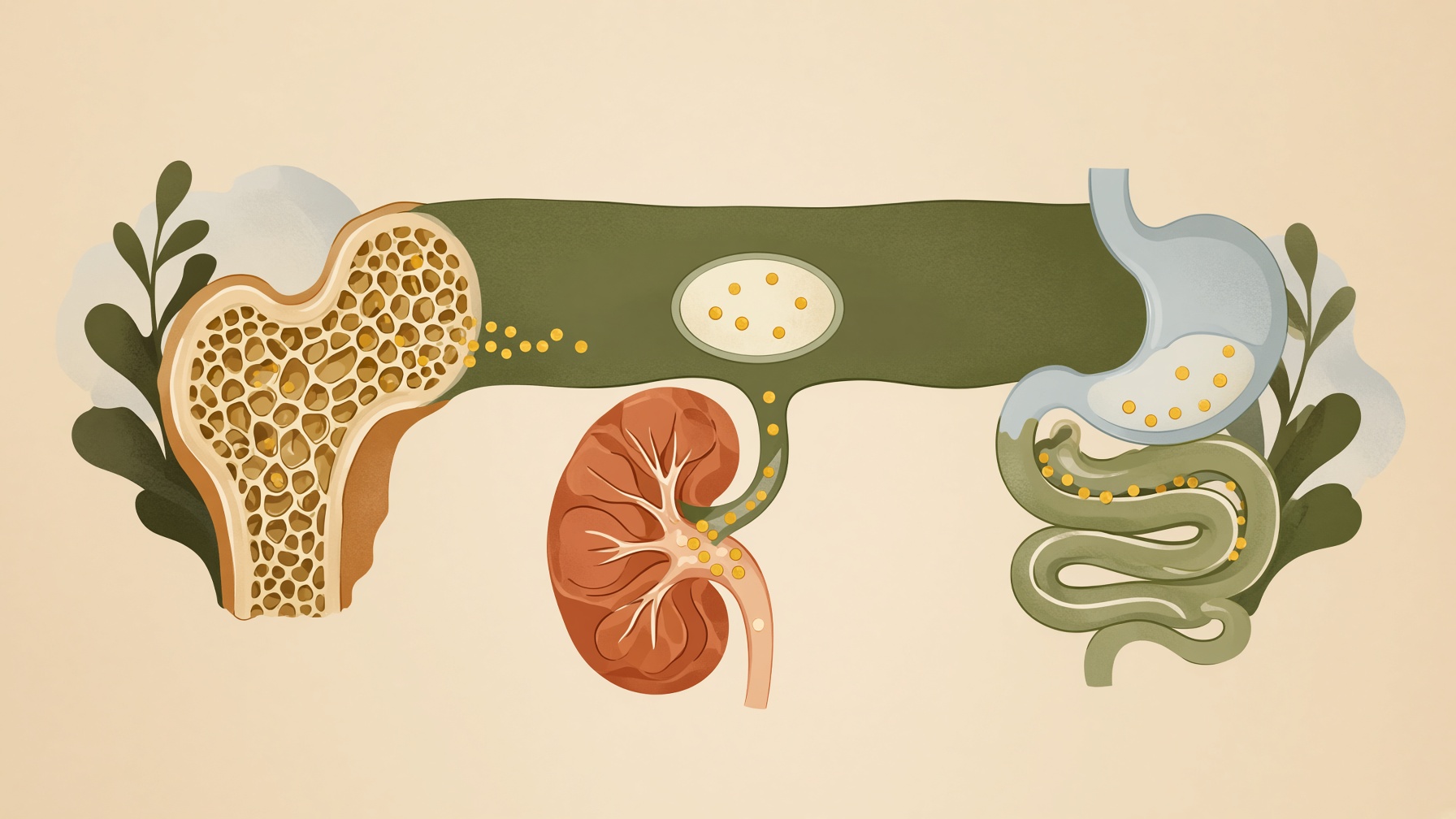
Blood calcium can stay normal even when dietary intake is inadequate because hormonal responses help protect the circulating calcium pool.
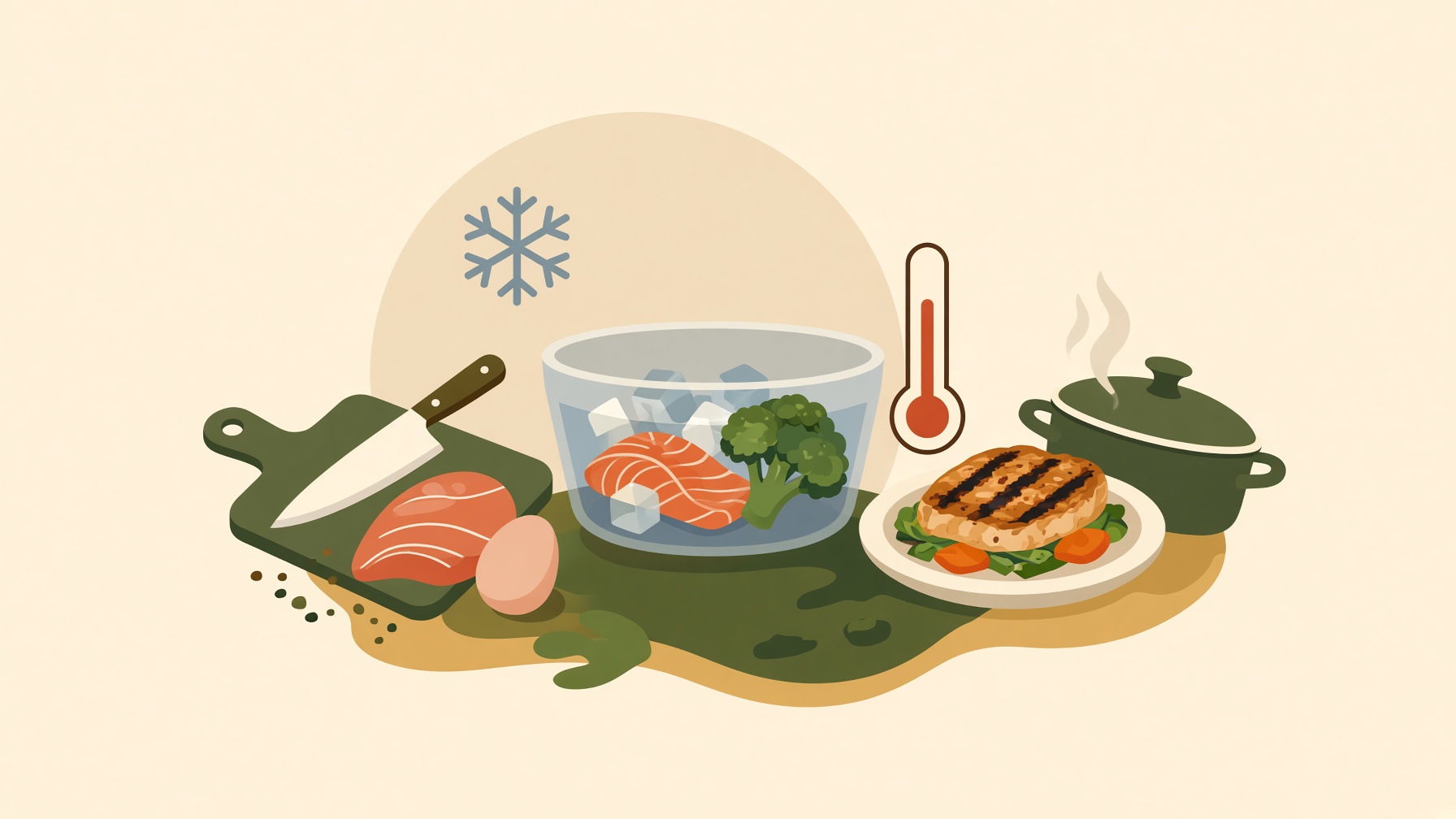
Food safety habits reduce opportunities for harmful bacteria to reach food or multiply, rather than relying on warning signs from the senses.
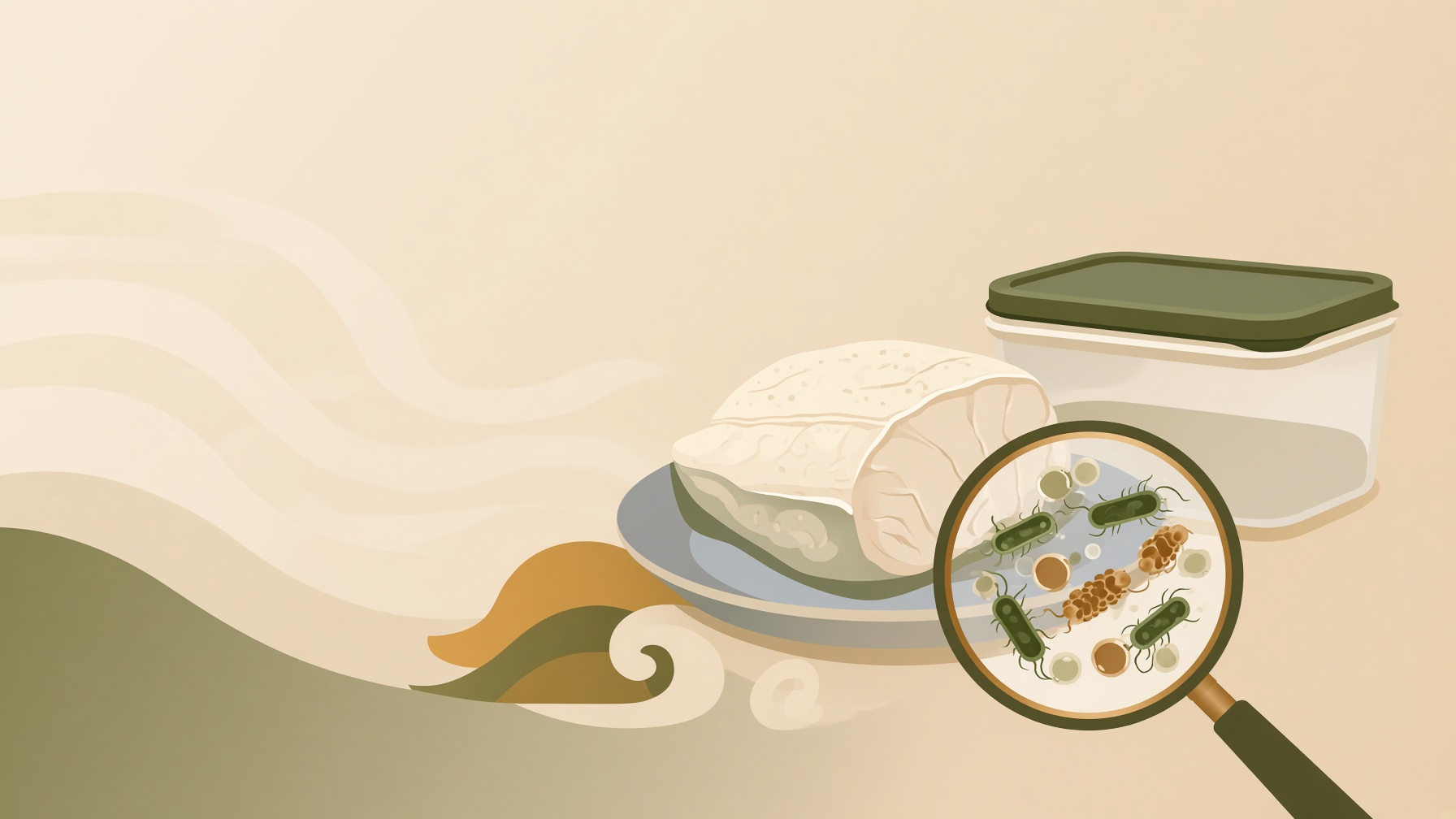
Harmful bacteria can survive or multiply in food without changing its appearance or smell, so normal-looking food is not proof of safety.
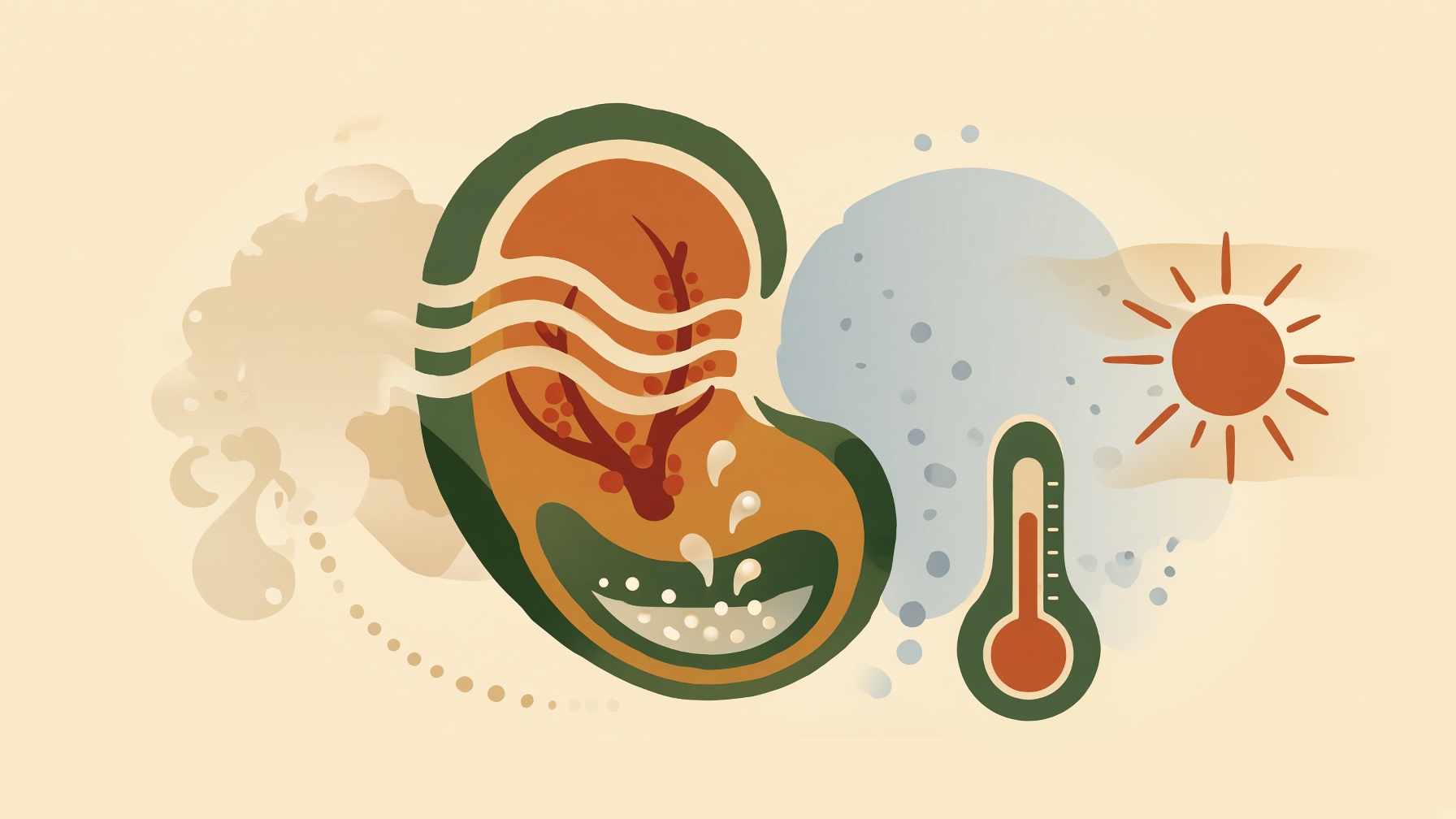
Dehydration can strain circulation and reduce cooling during exercise, adding to the challenge of releasing heat in demanding conditions.
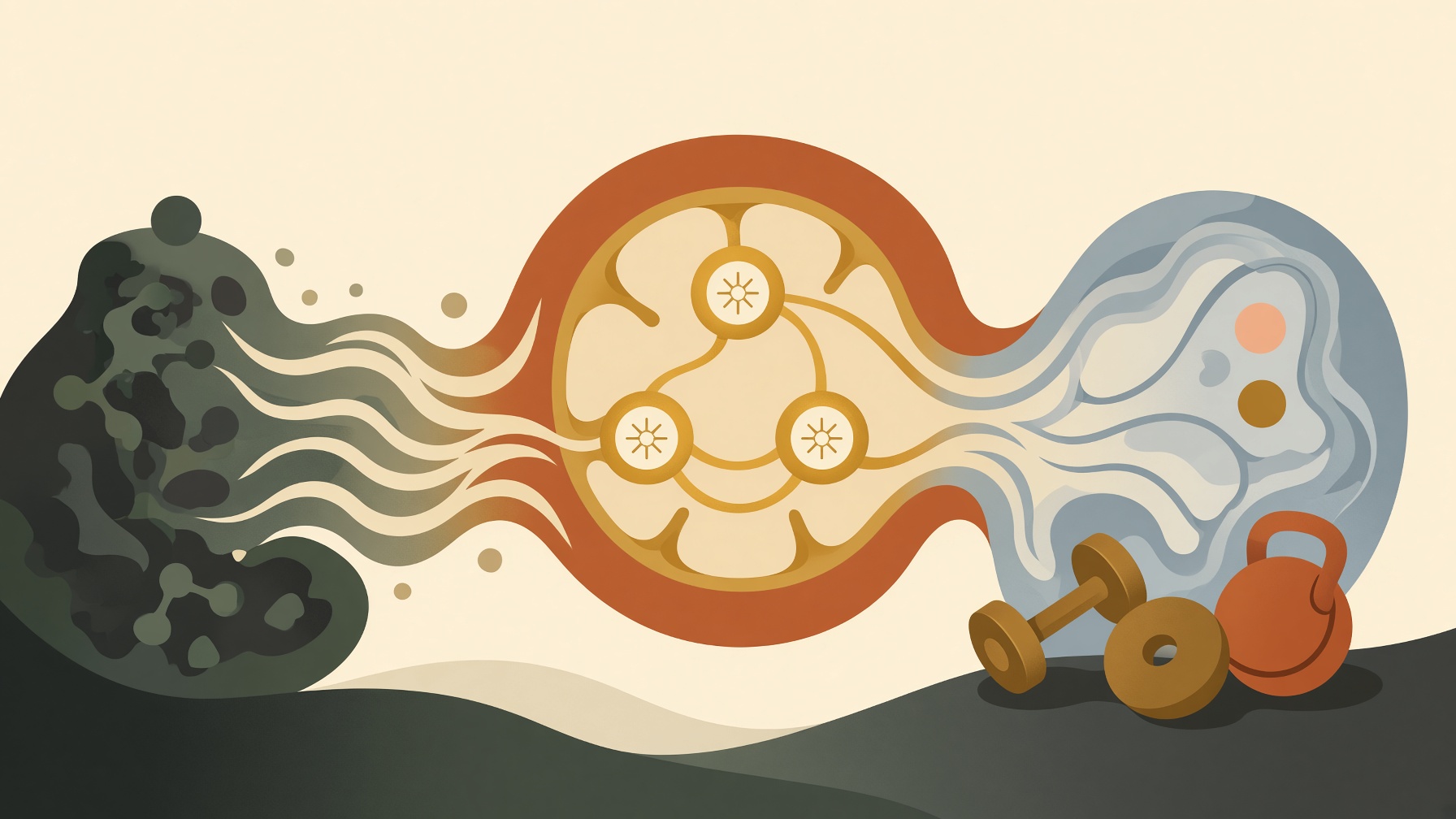
Exercise energy systems work together to replenish ATP, with intensity and duration shifting each pathway’s share rather than switching systems on.