
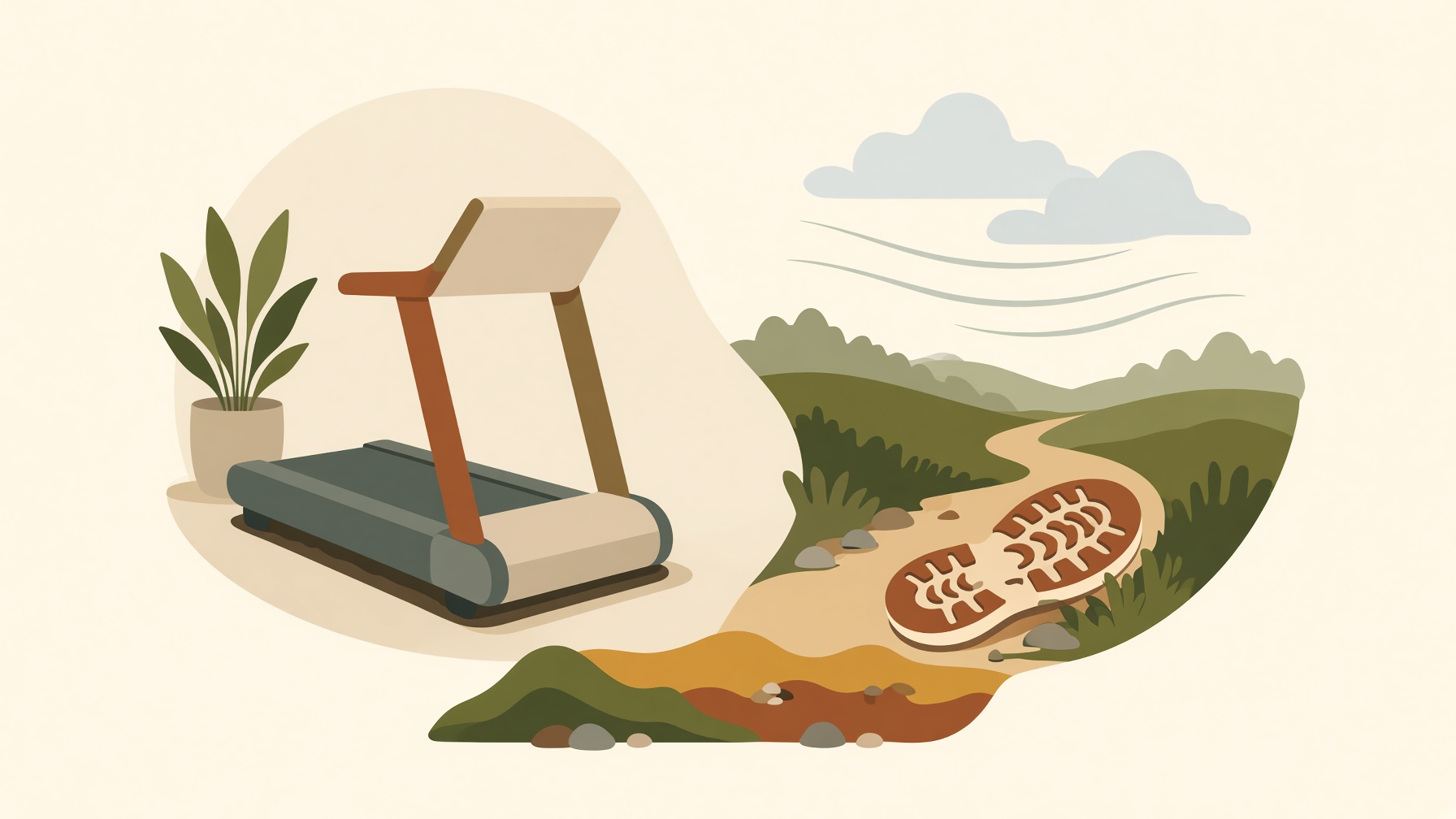
The 1% Treadmill Incline Doesn't Fully Reproduce Outdoor Running, Research Suggests
Treadmill running shares many movement patterns with outdoor running, but physiological demands can differ with speed, equipment and the runner.
117 articles in this view
Current selection
117 results
Treadmill running shares many movement patterns with outdoor running, but physiological demands can differ with speed, equipment and the runner.
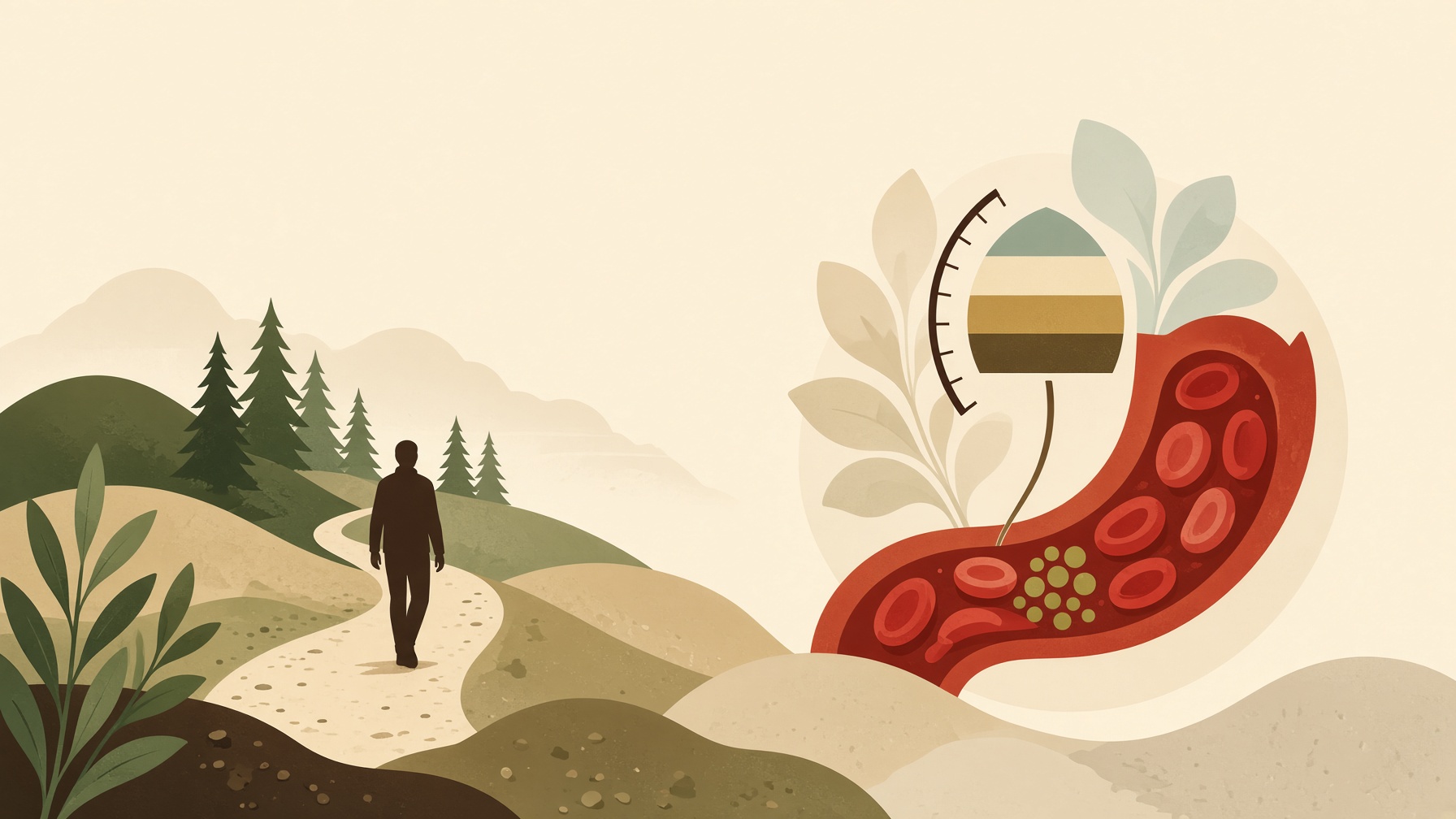
Walking can lower resting blood pressure on average, but research does not establish one exact duration or pace that works equally for everyone.
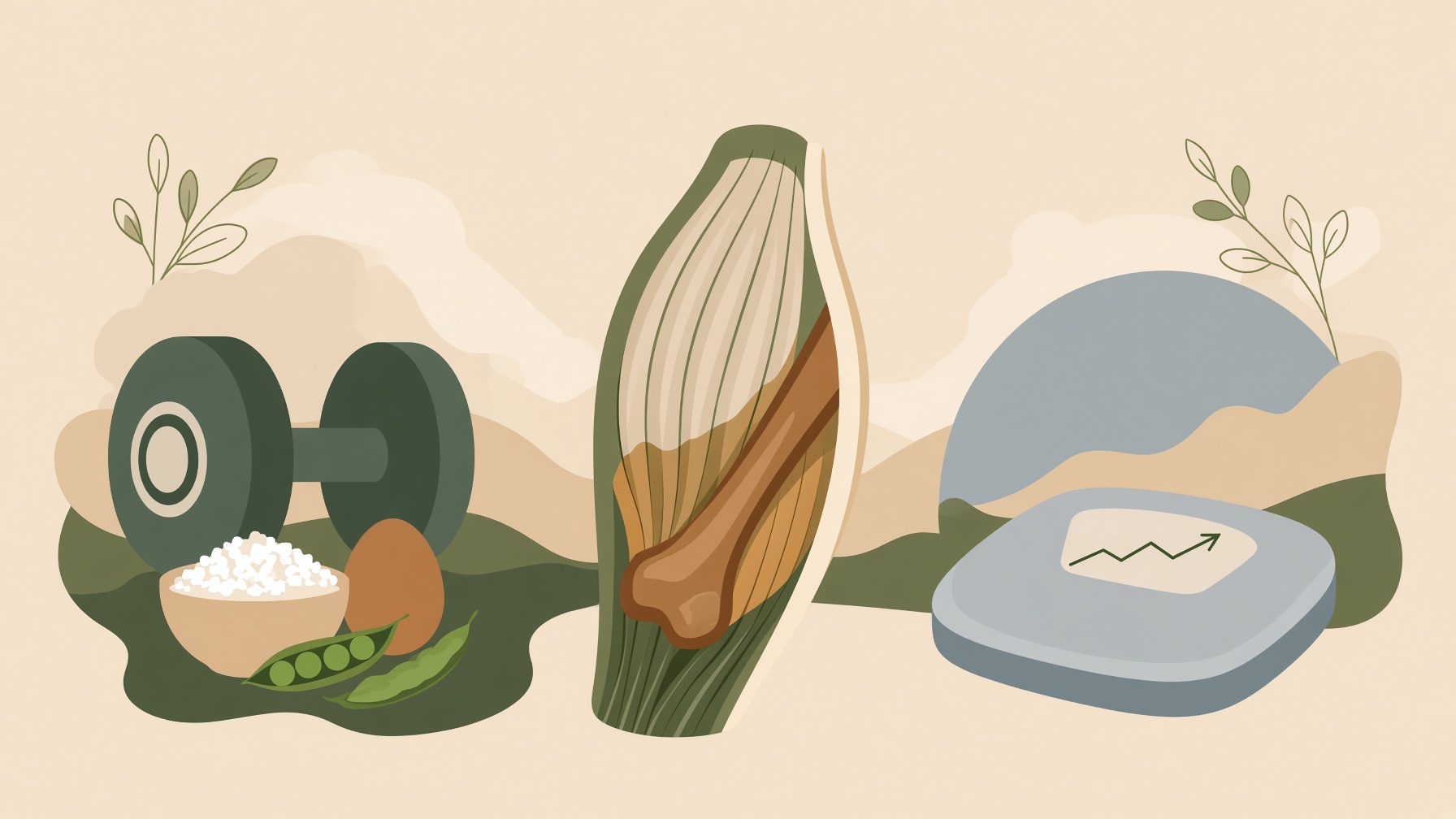
Midlife weight loss can include fat and lean tissue, so changes in body composition and strength provide information that scale weight alone misses.

Exercise snacking can improve some fitness measures when brief bouts provide enough stimulus, but a one-minute duration does not guarantee results.
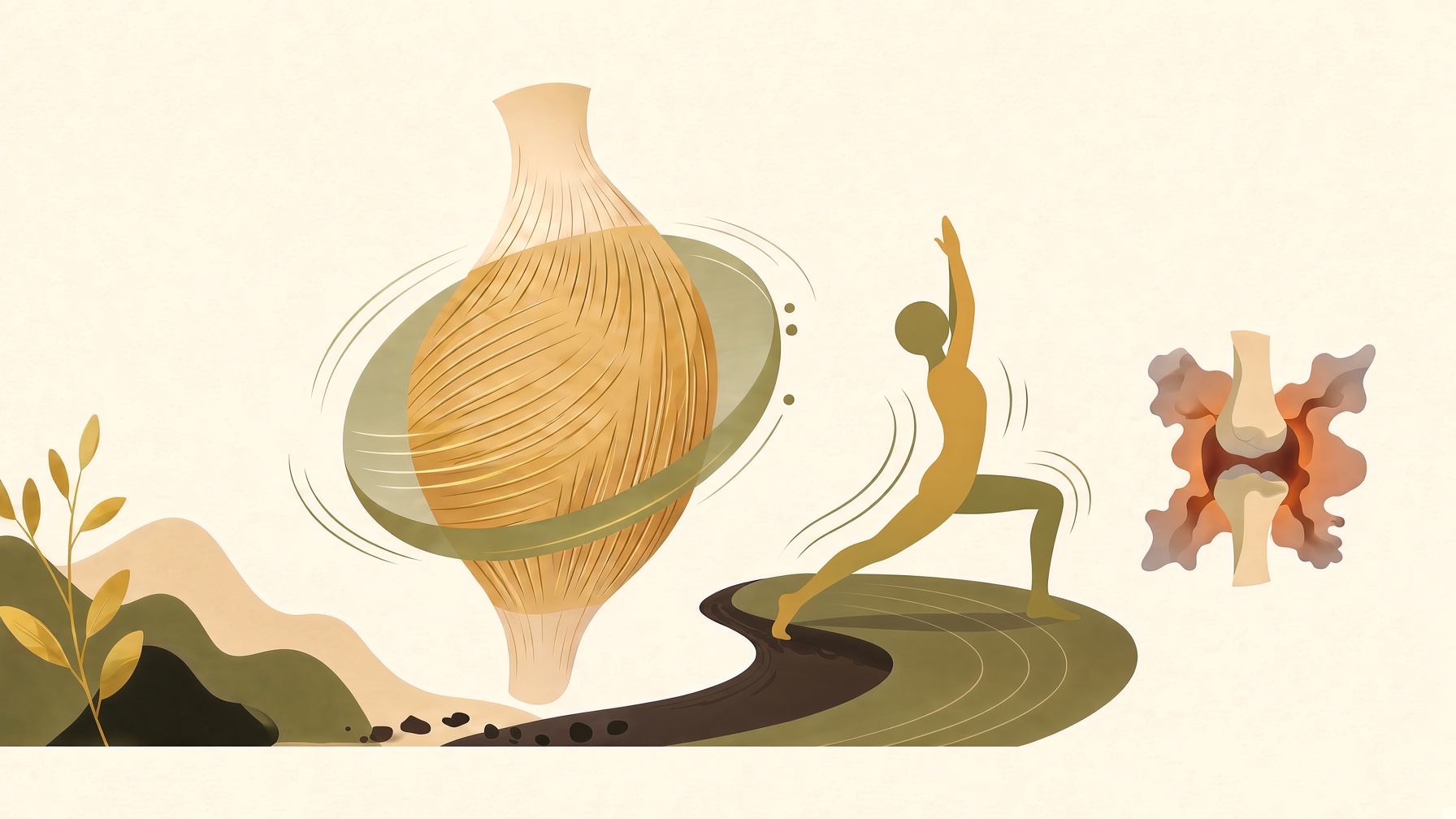
Stretching can increase range of motion, but evidence does not establish that a stretch before one workout protects against injury in that session.
Submaximal fitness tests can estimate aerobic capacity without maximal effort, but accuracy depends on the protocol and the person tested.

A higher resting heart rate can reflect several influences, so a change from your usual pattern cannot identify its cause on its own.
Overtraining syndrome cannot be diagnosed from one symptom or test, so persistent underperformance requires assessment of recovery and other possible causes.
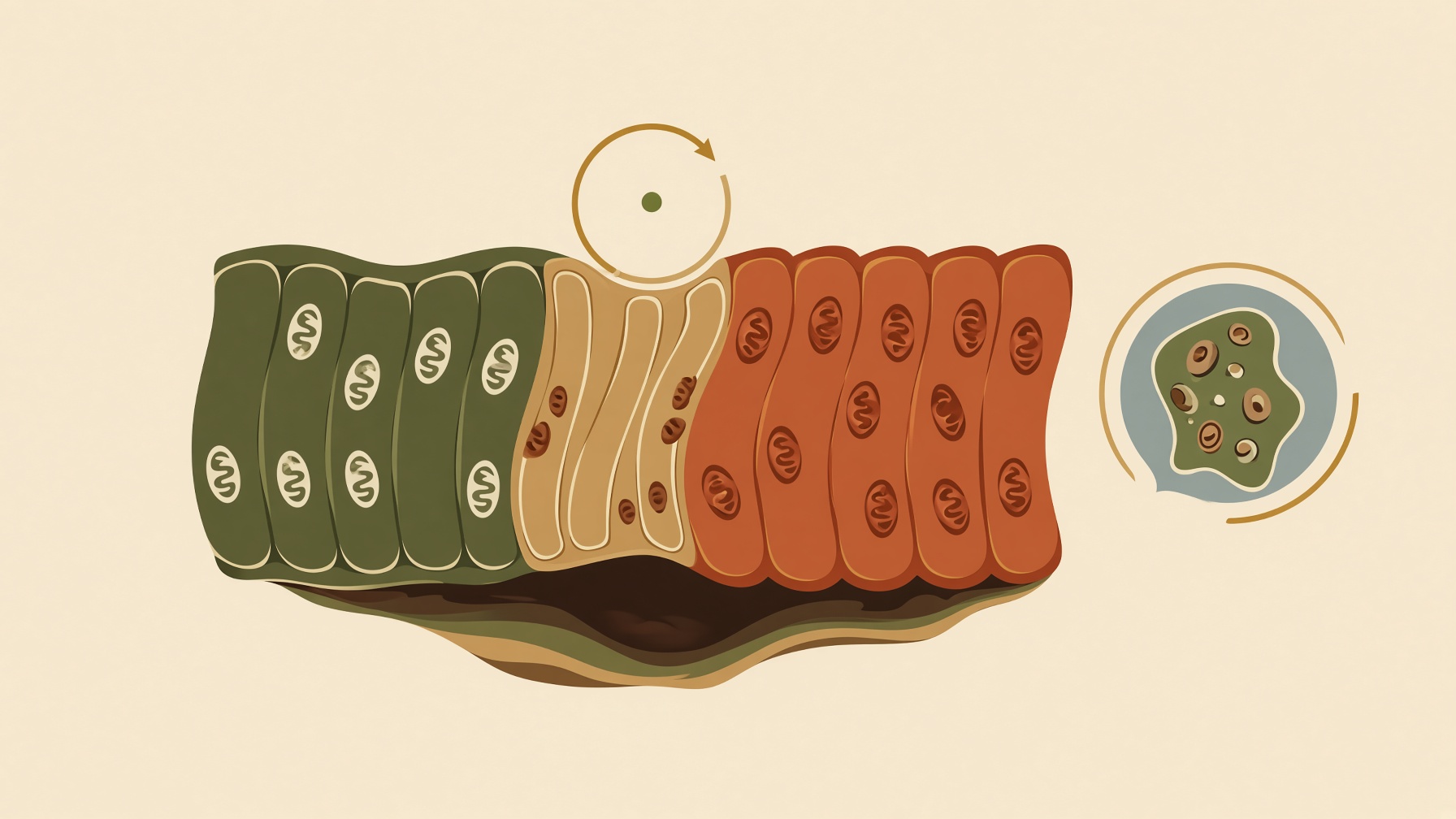
Muscle fibers can adapt to training without changing their type label, because myosin-based categories capture only part of a fiber’s properties.

A small VO₂max change can reflect measurement error and everyday variation, so one training result cannot establish a fixed limit on future adaptation.
Heat may add to stretching’s range-of-motion benefits in some protocols, but inconsistent evidence does not establish a reliable advantage.
Lactate does not directly explain muscle acidity or all exercise fatigue, which reflects several interacting changes that depend on the task.