

Why People Can Respond Differently to the Same Calorie Change?
Weight change depends on energy balance, but differences in physiology and adaptation mean similar calorie changes can produce different results.
9 articles in this view
Current selection
9 results
Weight change depends on energy balance, but differences in physiology and adaptation mean similar calorie changes can produce different results.
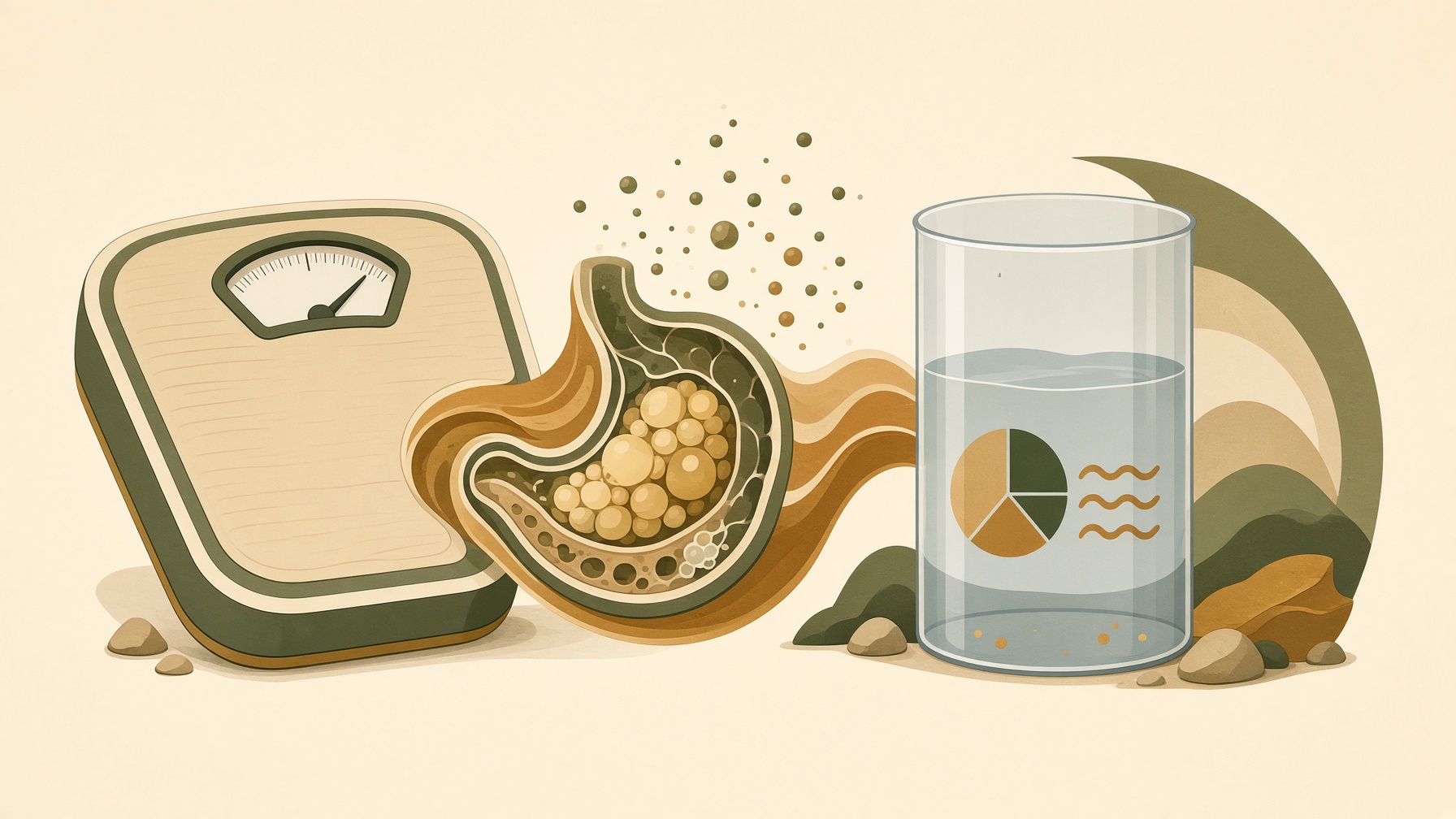
Body-fat tests estimate body composition from different physical measurements, so results depend on the method and testing conditions.

High-fructose corn syrup has not consistently caused greater weight gain than sucrose when calorie intake is comparable in controlled studies.
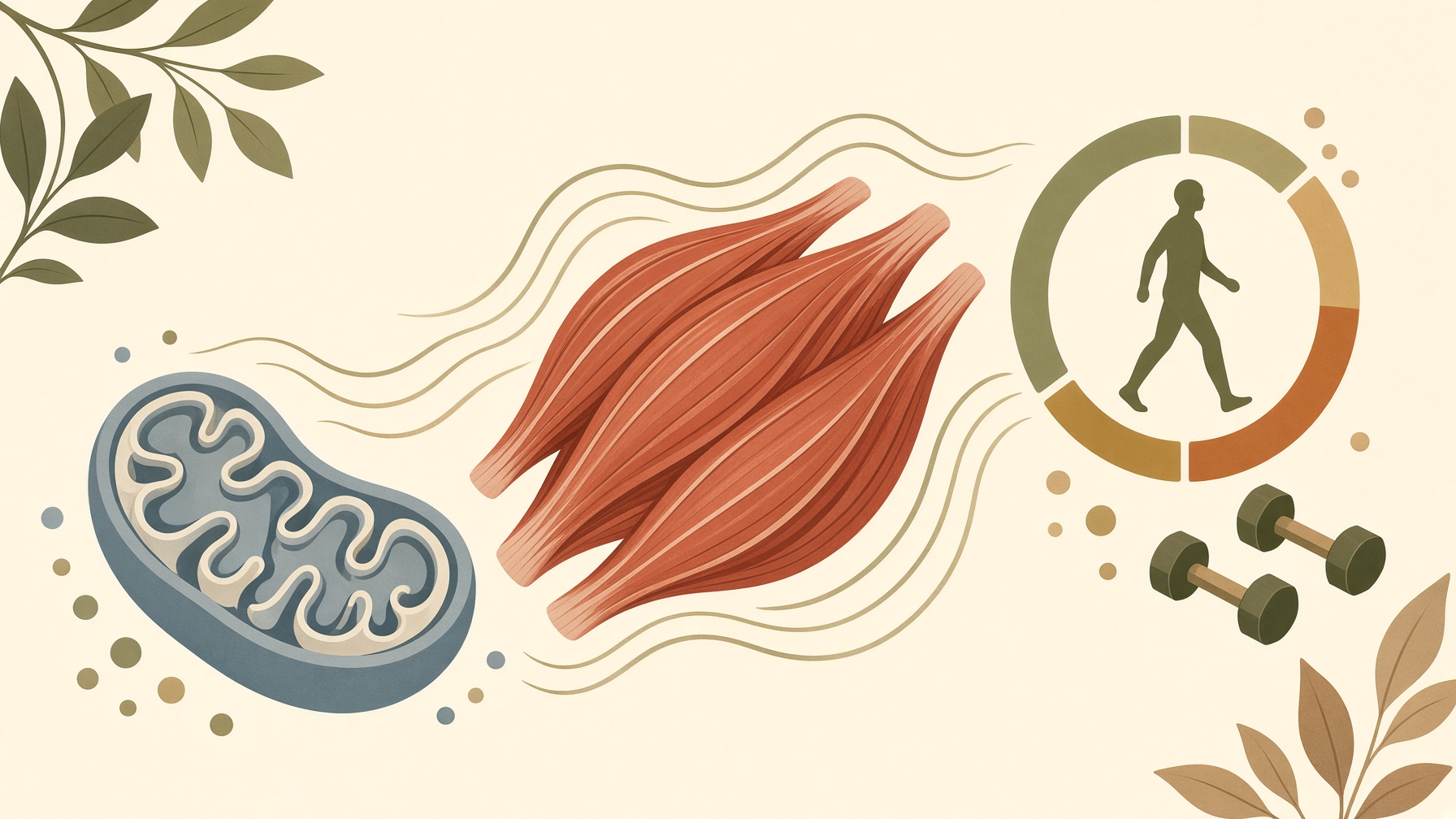
Muscle loss can contribute to a lower resting metabolic rate with age, but changes in muscle mass alone do not explain the full decline.
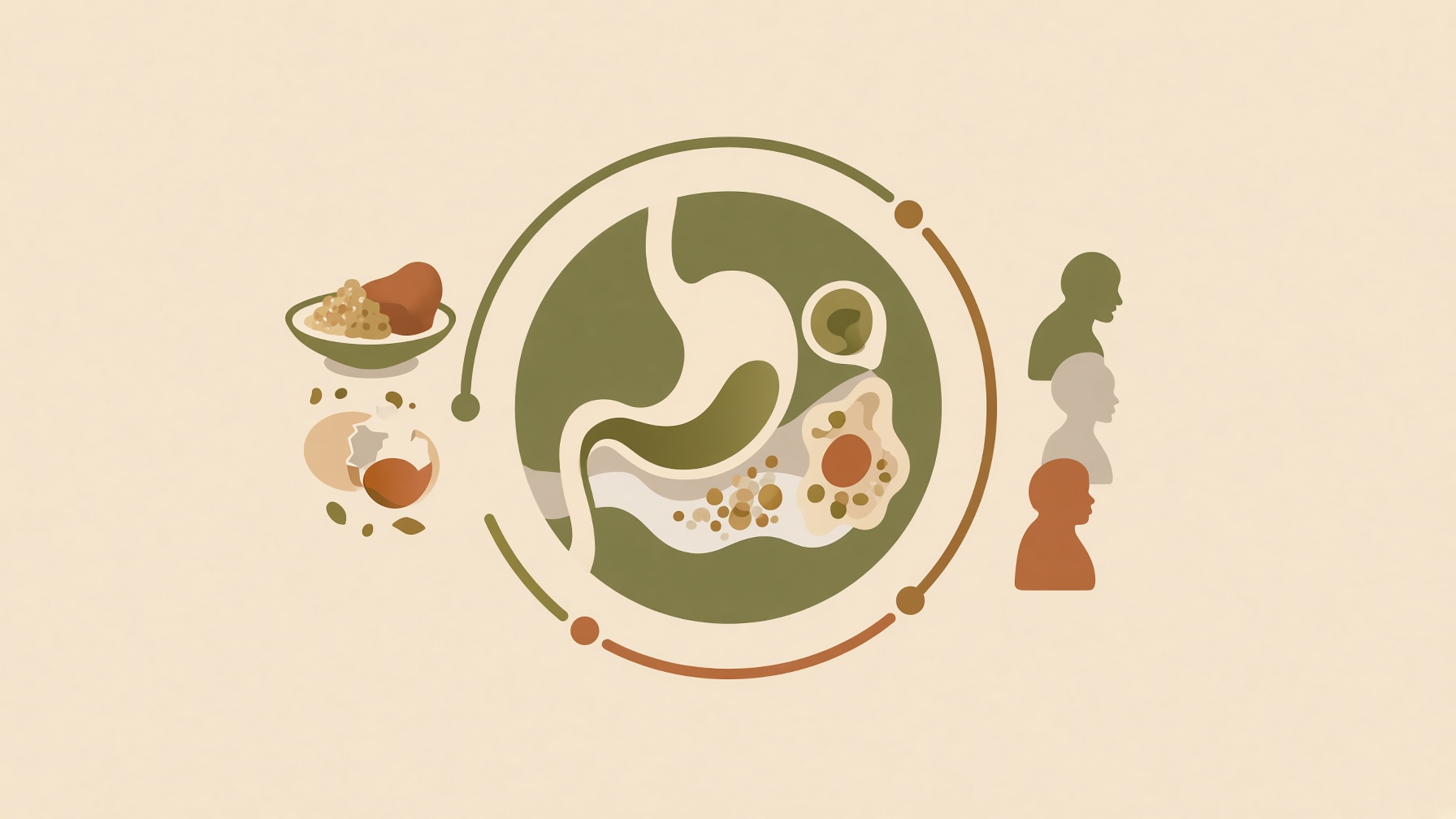
The adult protein RDA estimates an intake that meets most healthy adults’ needs, rather than measuring an individual’s exact requirement.

Older adults may need fewer calories while still needing nutrient-rich foods, making adequate nutrition within a smaller intake more challenging.
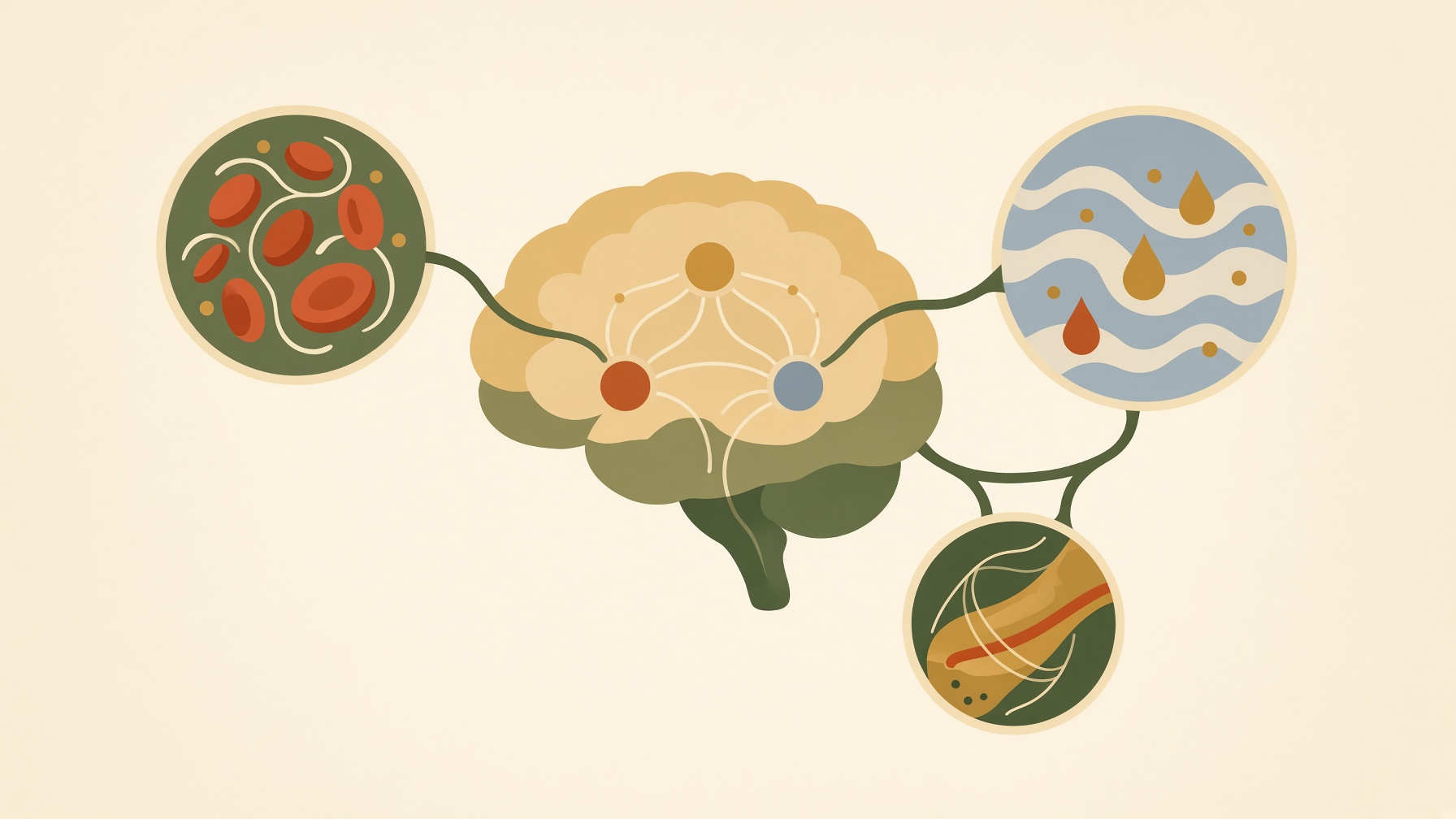
Thirst responds to changes in body-fluid balance, but signals from drinking can reduce the urge before water fully corrects the imbalance.
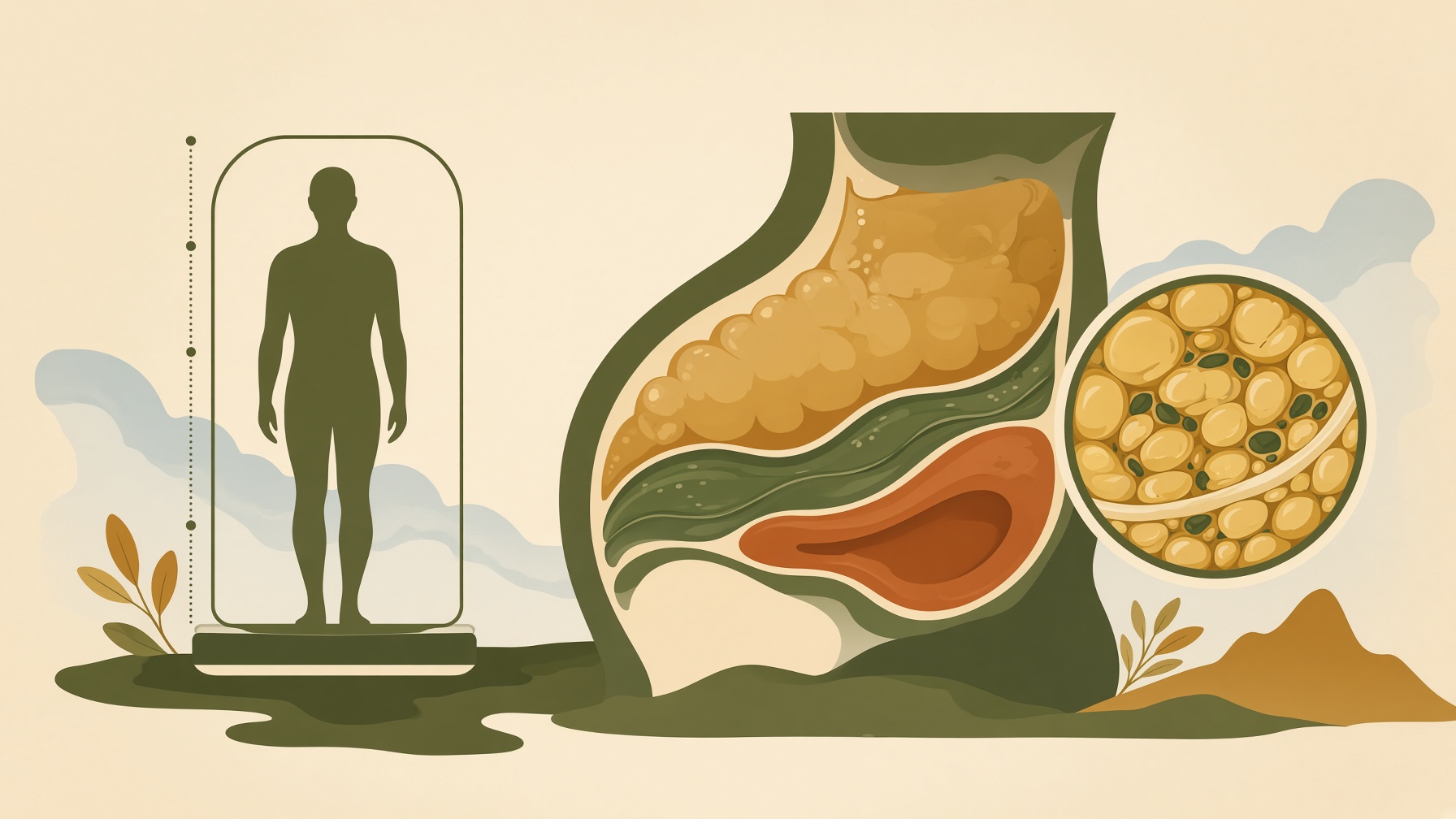
BMI screens weight relative to height, but cannot distinguish muscle from fat or show where body fat sits when assessing individual health.
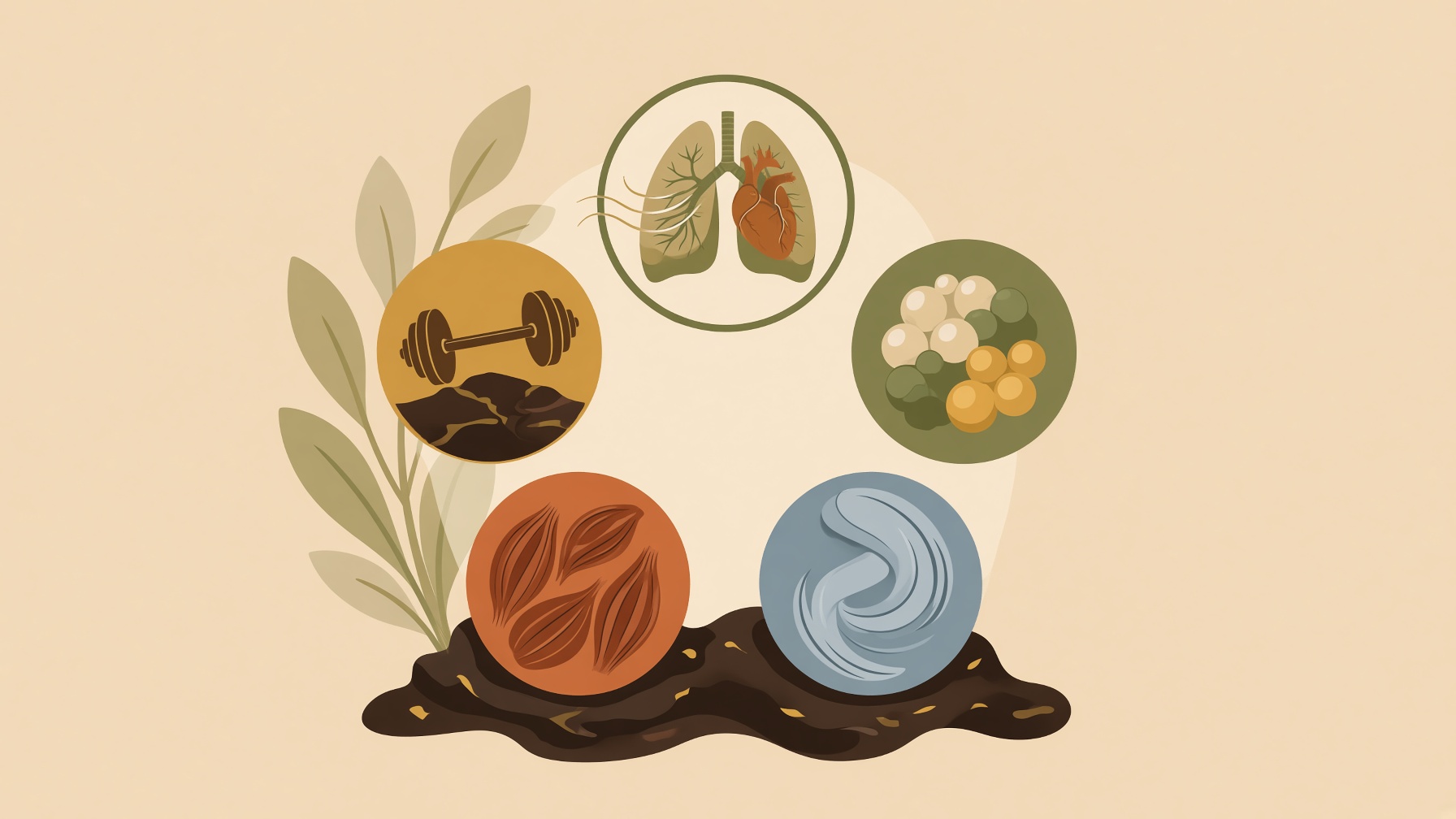
Health-related fitness describes several distinct qualities, so strength in one area does not necessarily mean equal ability across the others.