

Why People Can Respond Differently to the Same Calorie Change?
Weight change depends on energy balance, but differences in physiology and adaptation mean similar calorie changes can produce different results.
8 articles in this view
Current selection
8 results
Weight change depends on energy balance, but differences in physiology and adaptation mean similar calorie changes can produce different results.
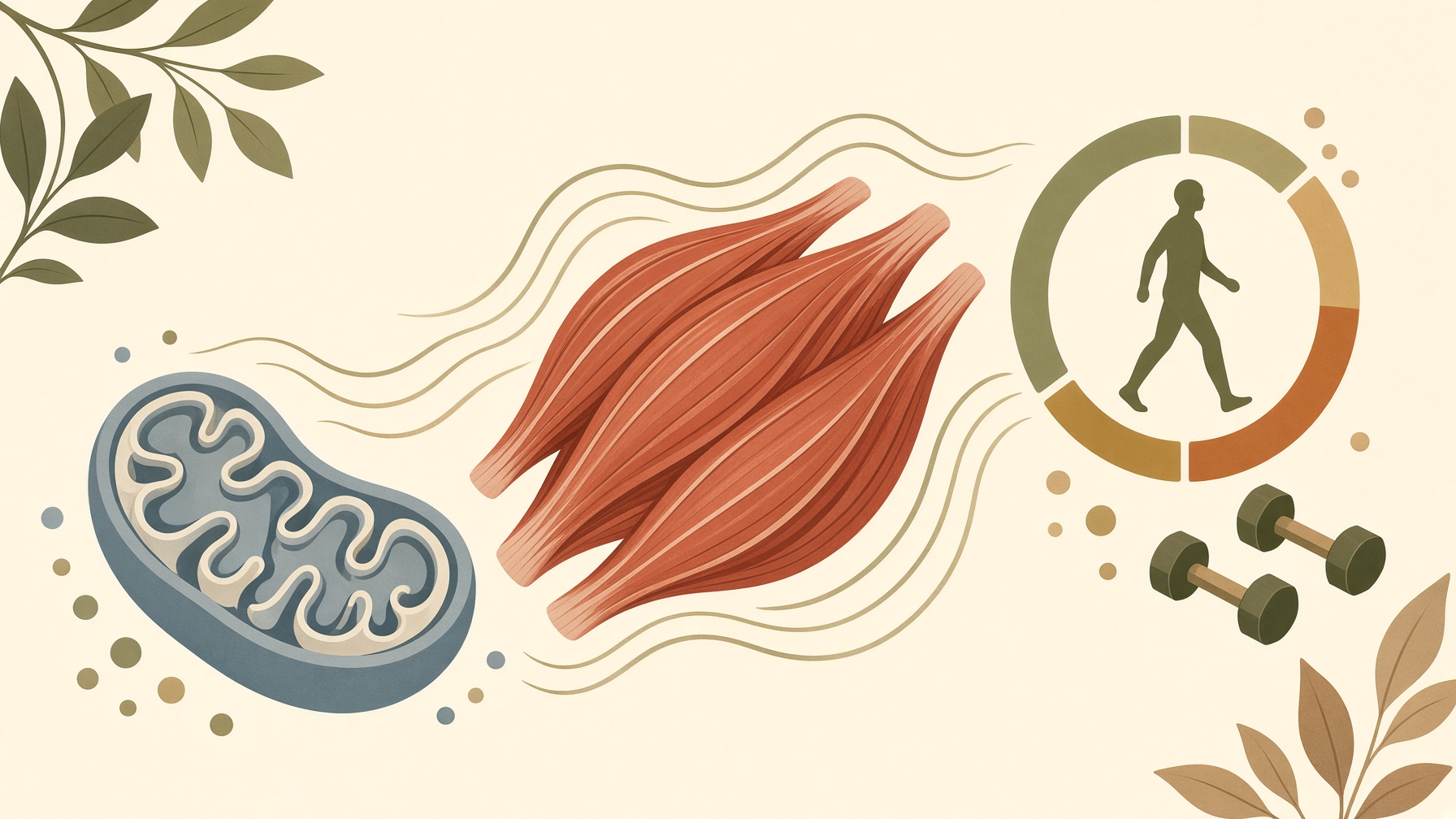
Muscle loss can contribute to a lower resting metabolic rate with age, but changes in muscle mass alone do not explain the full decline.
Training volume measures how much exercise occurs over time, but the calculation must fit the activity and does not capture every aspect of load.
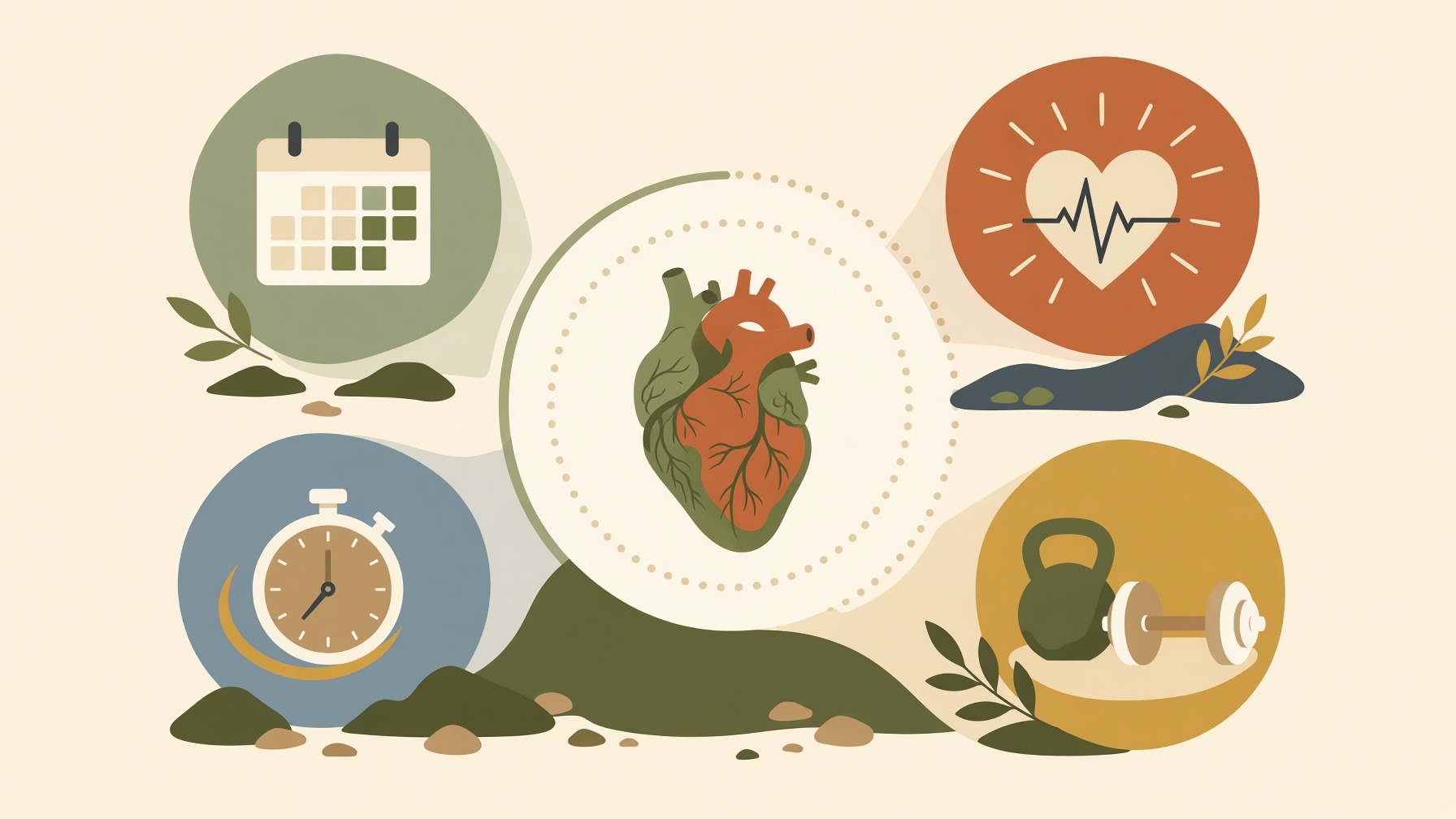
The FITT framework organizes exercise planning around four adjustable variables, helping match the training stimulus to individual goals.

Older adults may need fewer calories while still needing nutrient-rich foods, making adequate nutrition within a smaller intake more challenging.

Low-carbohydrate diets can increase fat burning, but losing stored body fat still requires an energy deficit sustained over time.
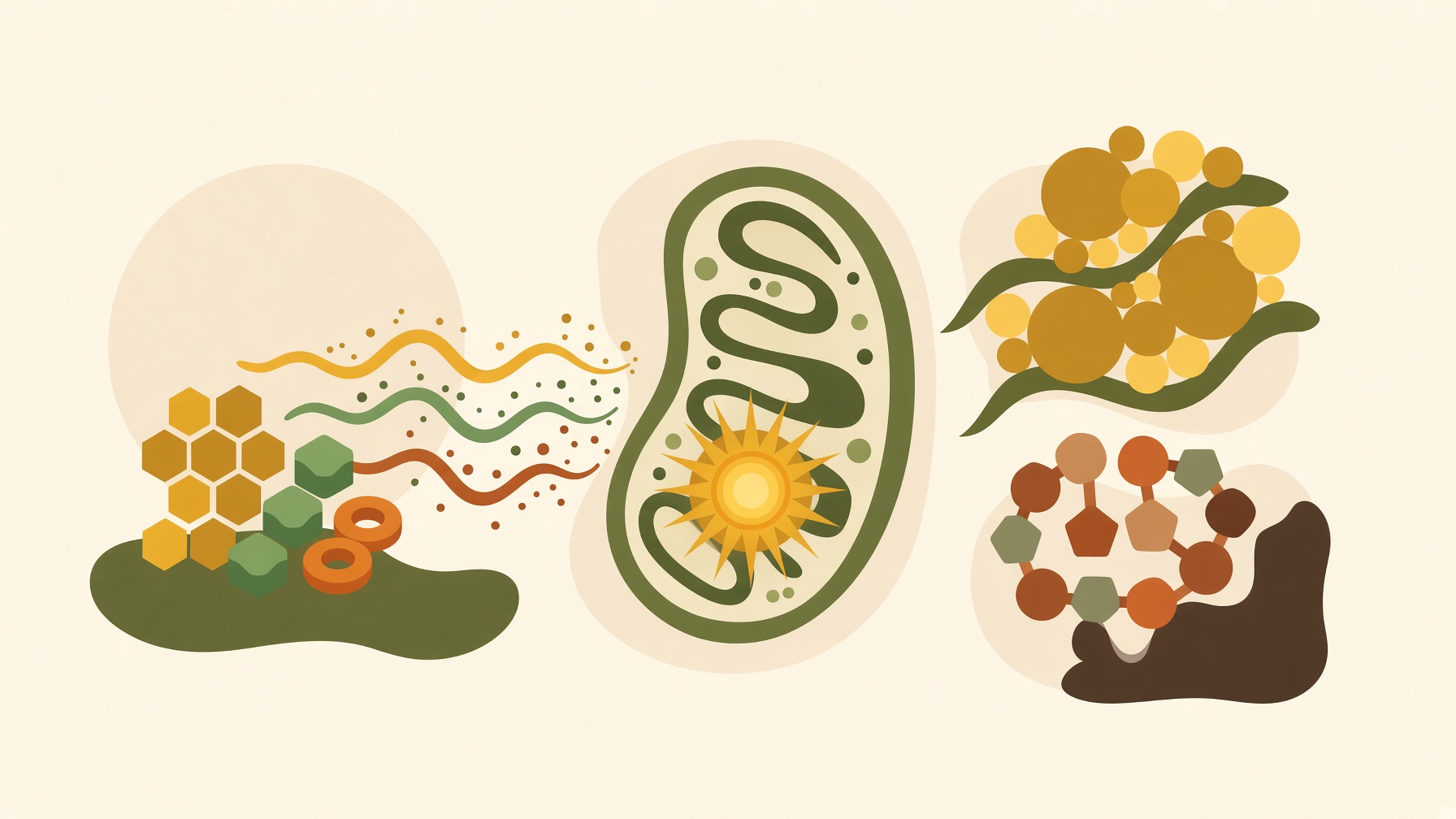
Macronutrients provide different metabolic options after digestion, so carbohydrate, protein, and fat do not serve interchangeable roles in the body.

Physical activity includes everyday movement that uses energy, while exercise adds planned, structured repetition to improve or maintain fitness.