
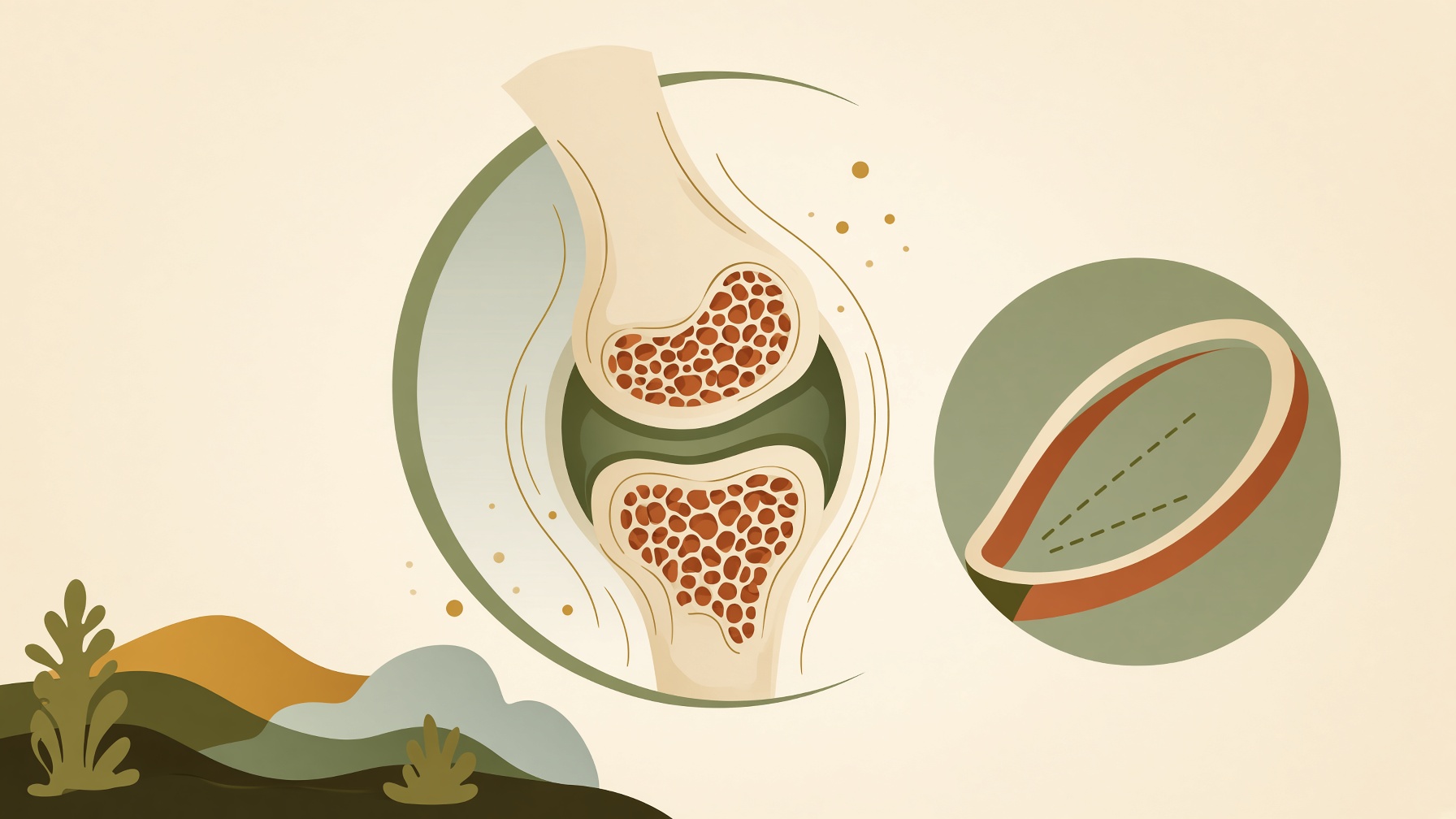
Flexibility Matters Even More as You Age
Flexibility can decline unevenly with age, making enough joint movement for everyday tasks more useful than seeking the greatest possible range.
8 articles in this view
Current selection
8 results
Flexibility can decline unevenly with age, making enough joint movement for everyday tasks more useful than seeking the greatest possible range.
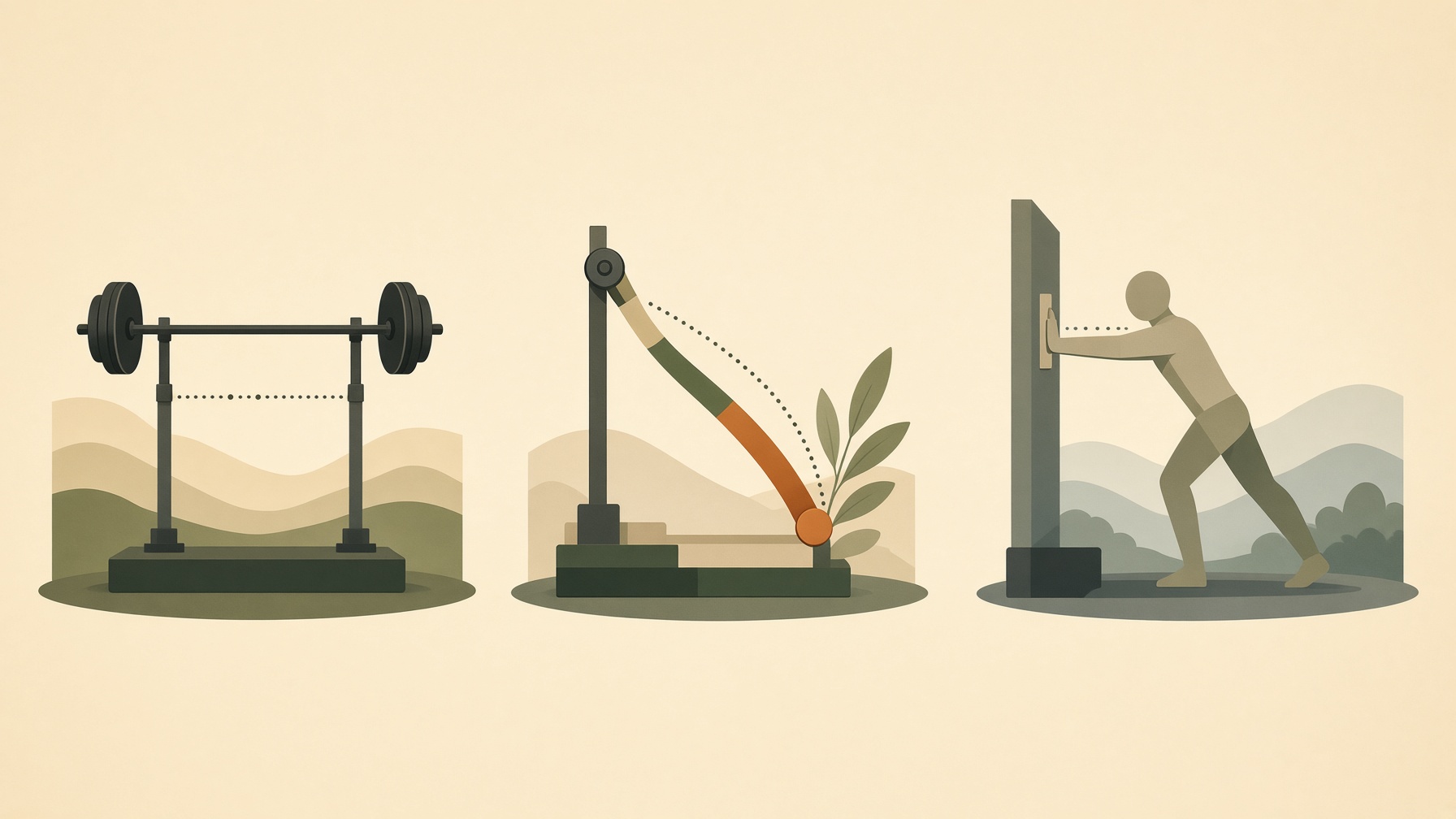
Resistance-training formats create different mechanical demands, and a constant external weight does not mean constant effort across a repetition.
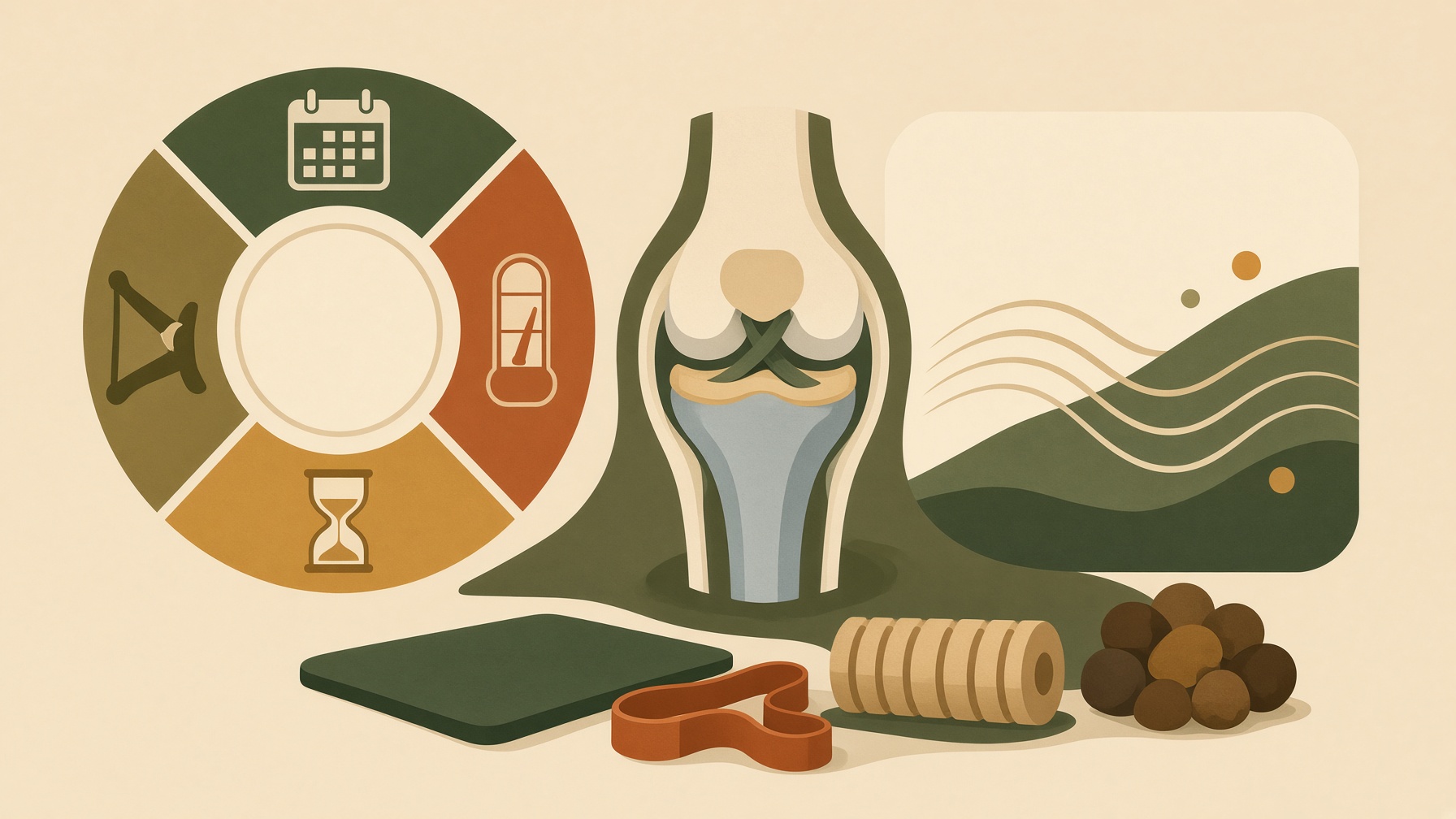
A flexibility routine uses the FITT framework to organize stretching around useful movement goals, with technique and dose suited to the person.
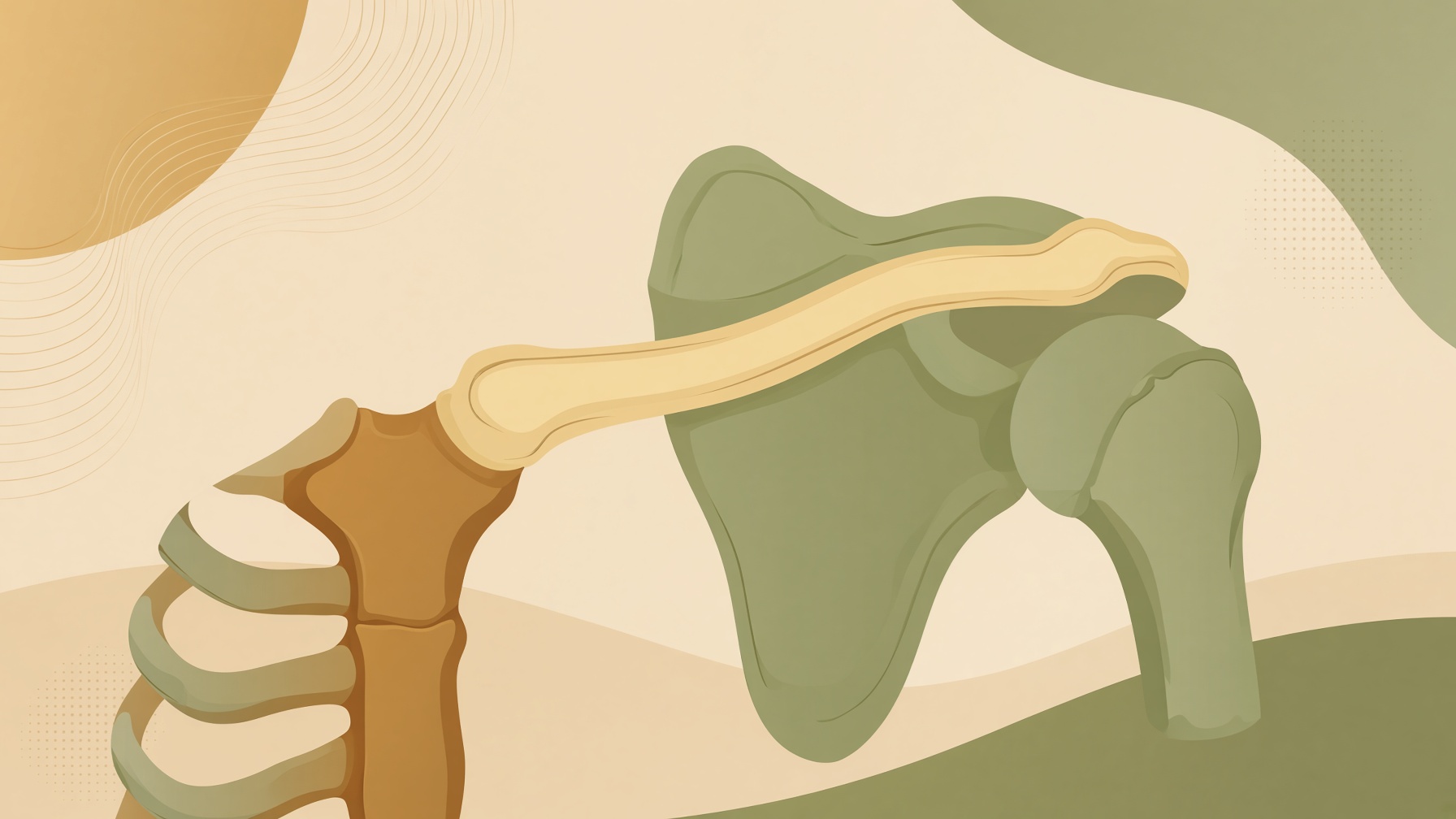
The collarbone holds the shoulder away from the trunk while connecting the pectoral girdle to the skeleton, giving the upper limb room to move.
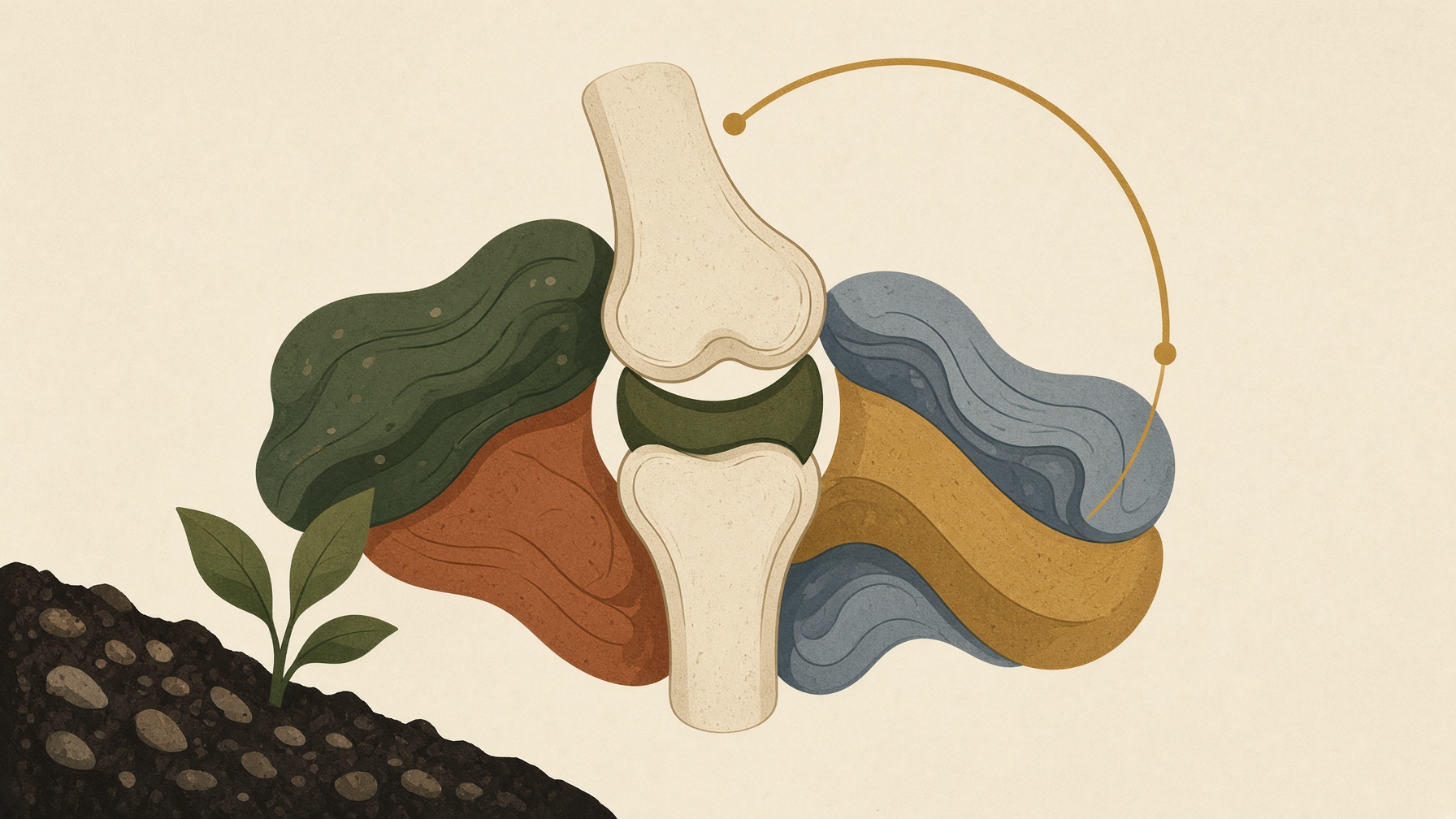
Flexibility reflects joint structure and surrounding tissues as well as stretch tolerance, so similar limits in movement can have different causes.
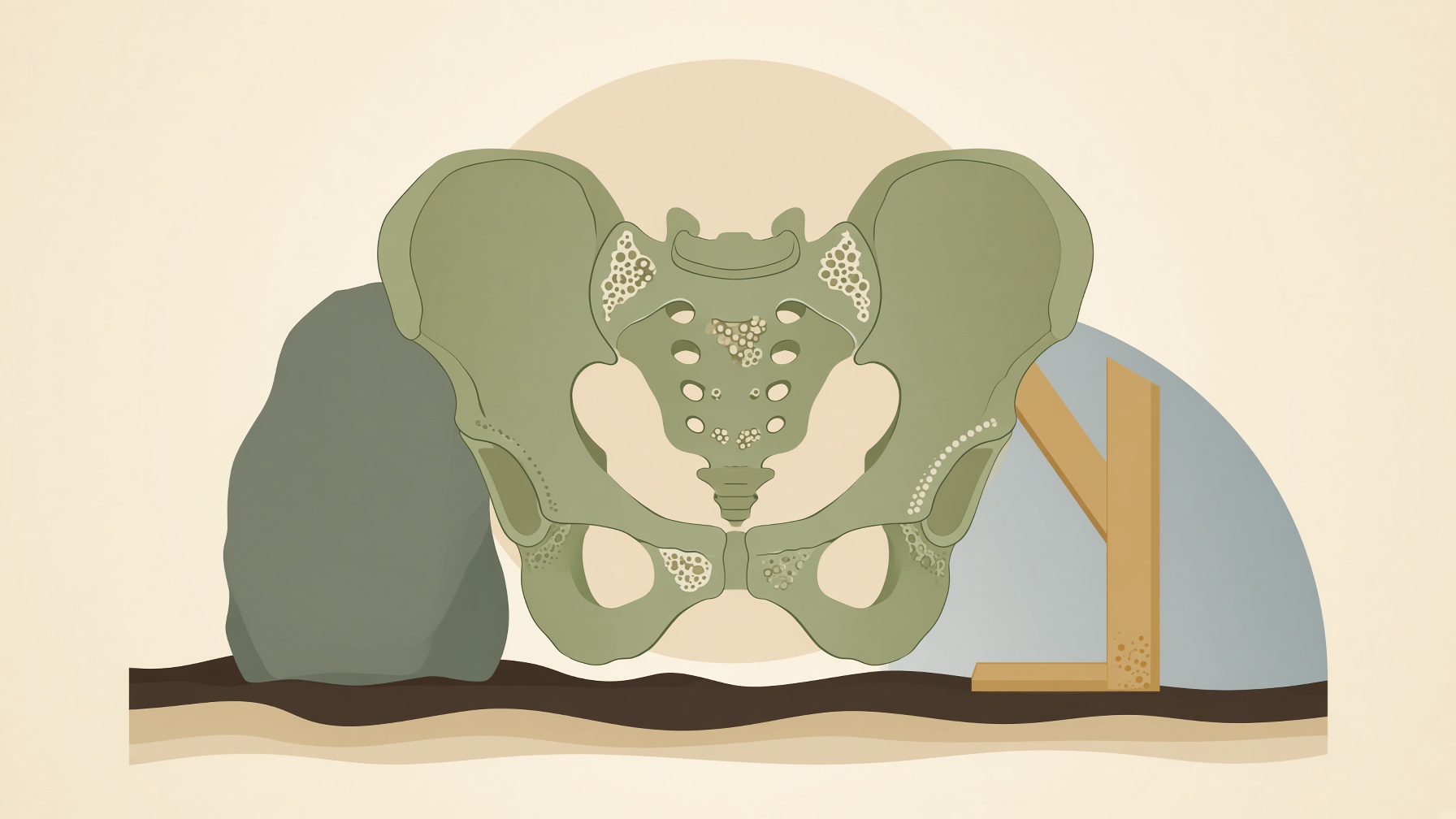
The pelvis limits movement through strong bony connections, providing a stable base that transfers upper-body weight toward the lower limbs.
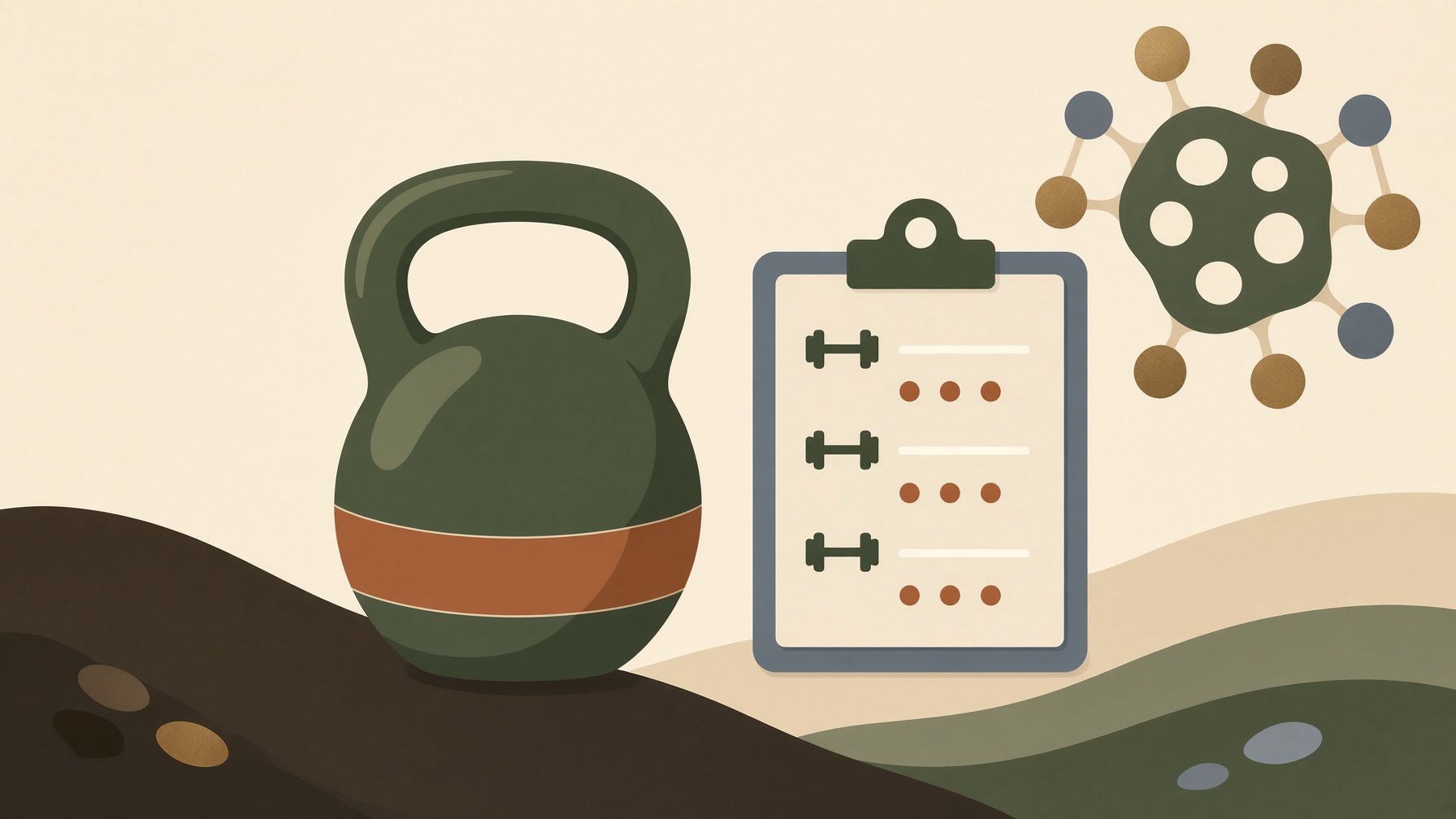
A simple resistance-training program builds a repeatable routine around major muscle groups, with demands that can change as performance improves.

Health-related fitness describes several distinct qualities, so strength in one area does not necessarily mean equal ability across the others.