
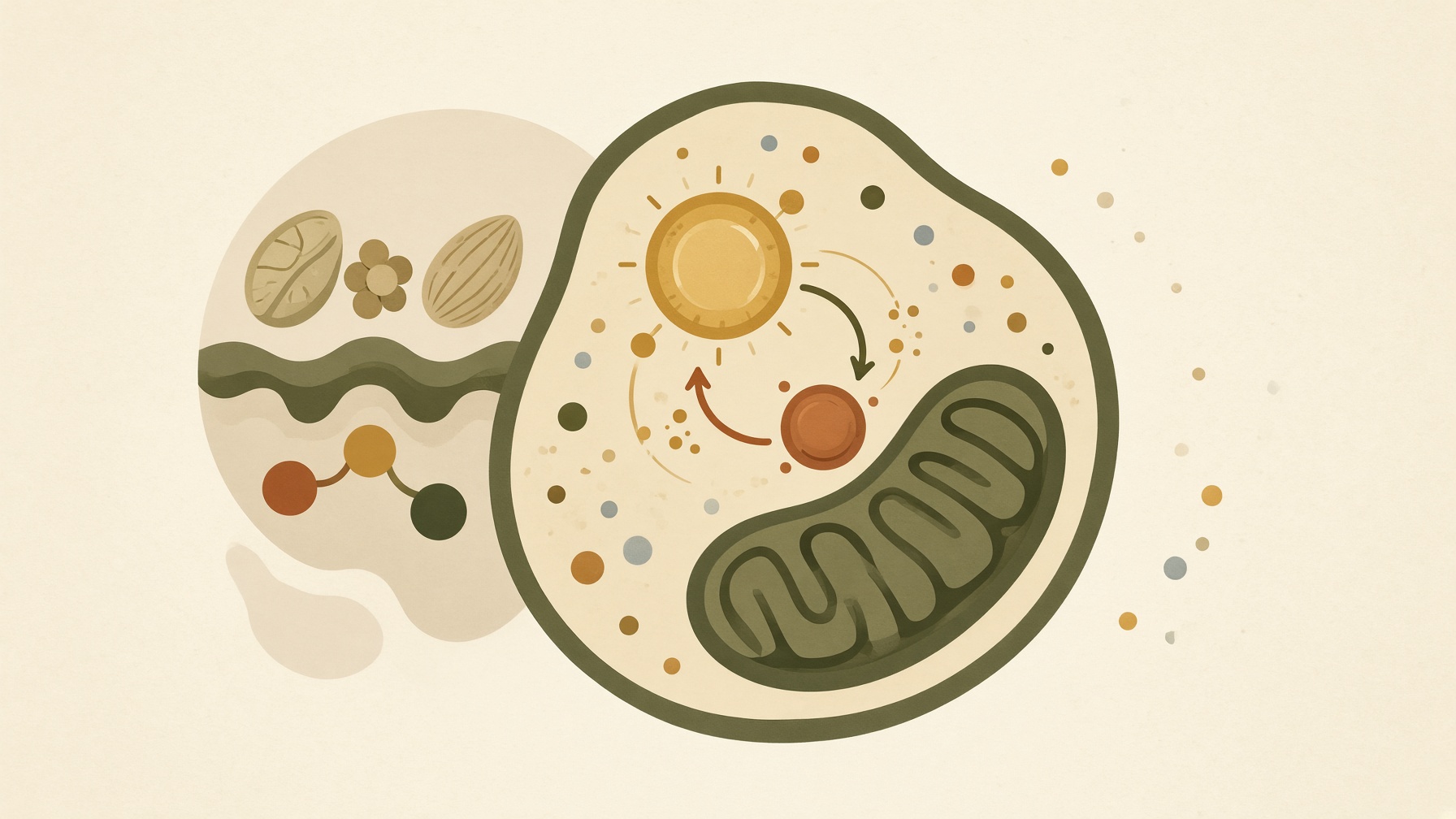
How Cells Keep Their Energy Supply Going
Cells repeatedly regenerate ATP as cellular work consumes the small available supply, making continuous turnover more important than stockpiling.
Wikis
Actin is a highly conserved protein that forms one of the major components of the cytoskeleton in eukaryotic cells. Individual actin molecules, called globular actin or G-actin, can assemble into long helical polymers known as filamentous actin or F-actin. Actin filaments contribute to cell shape, movement, mechanical support, and many other cellular processes .1
In skeletal and cardiac muscle, F-actin forms the structural core of the thin filaments within each sarcomere. Thin filaments also contain regulatory proteins, particularly tropomyosin and the troponin complex. They extend from the Z disc toward the center of the sarcomere, where they overlap with thick filaments composed primarily of myosin .2
During muscle contraction, calcium binding to troponin alters the position of tropomyosin and permits myosin heads to interact more readily with actin. Repeated ATP-dependent interactions between myosin and actin, called cross-bridge cycling, generate force and, when mechanical conditions permit, slide the thin filaments past the thick filaments. This increases filament overlap and can shorten the sarcomere without substantially shortening the actin or myosin filaments themselves .2
Actin should not be considered solely a muscle protein. Actin filaments occur throughout eukaryotic cells and participate in processes such as cell migration, membrane organization, intracellular force generation, and cell division. Muscle contraction represents a specialized use of the broader actin cytoskeleton .1,2
From this collection
Cells repeatedly regenerate ATP as cellular work consumes the small available supply, making continuous turnover more important than stockpiling.
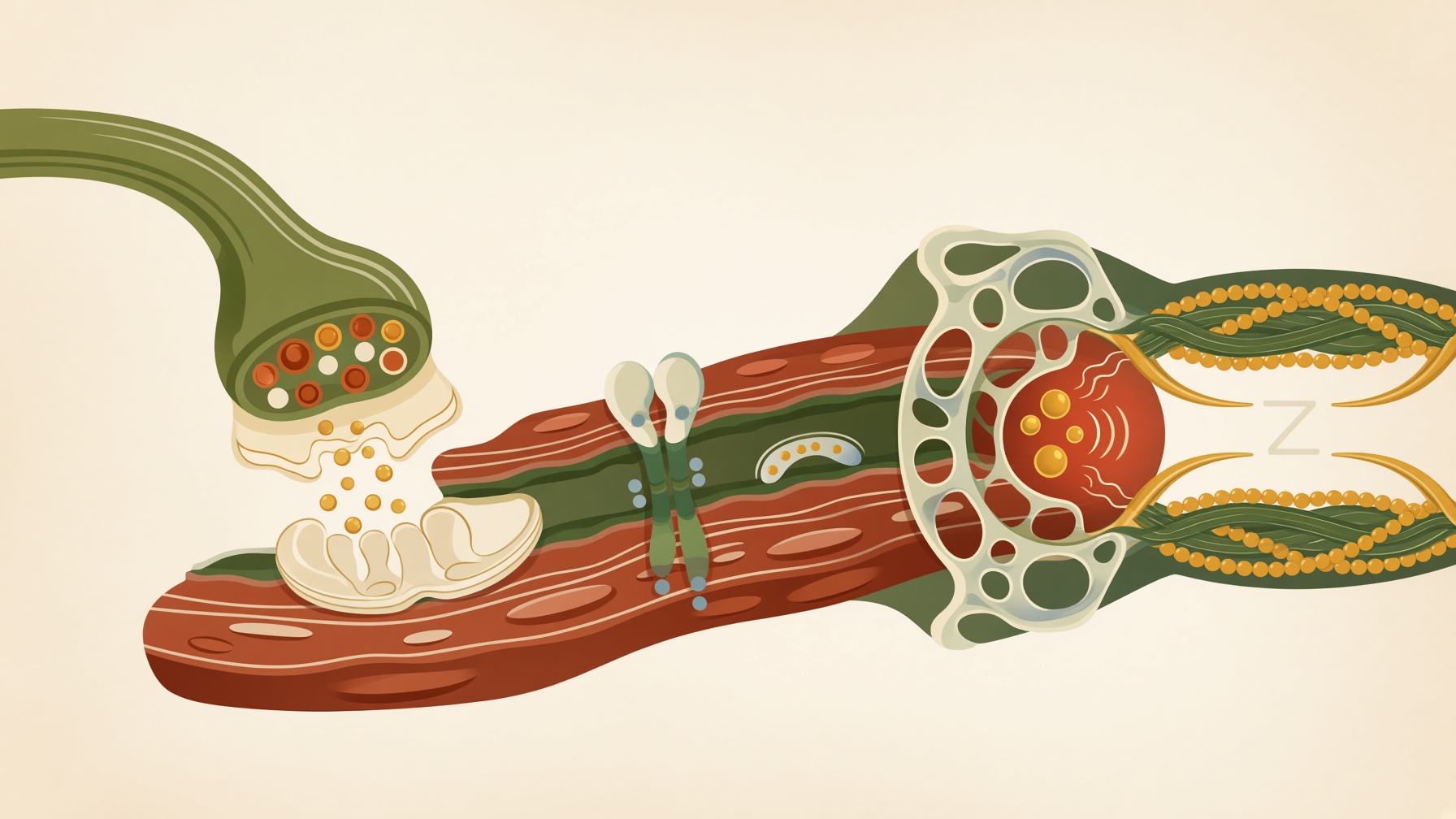
A motor nerve signal triggers electrical changes and calcium release in a muscle fiber, allowing the contractile proteins to generate movement.
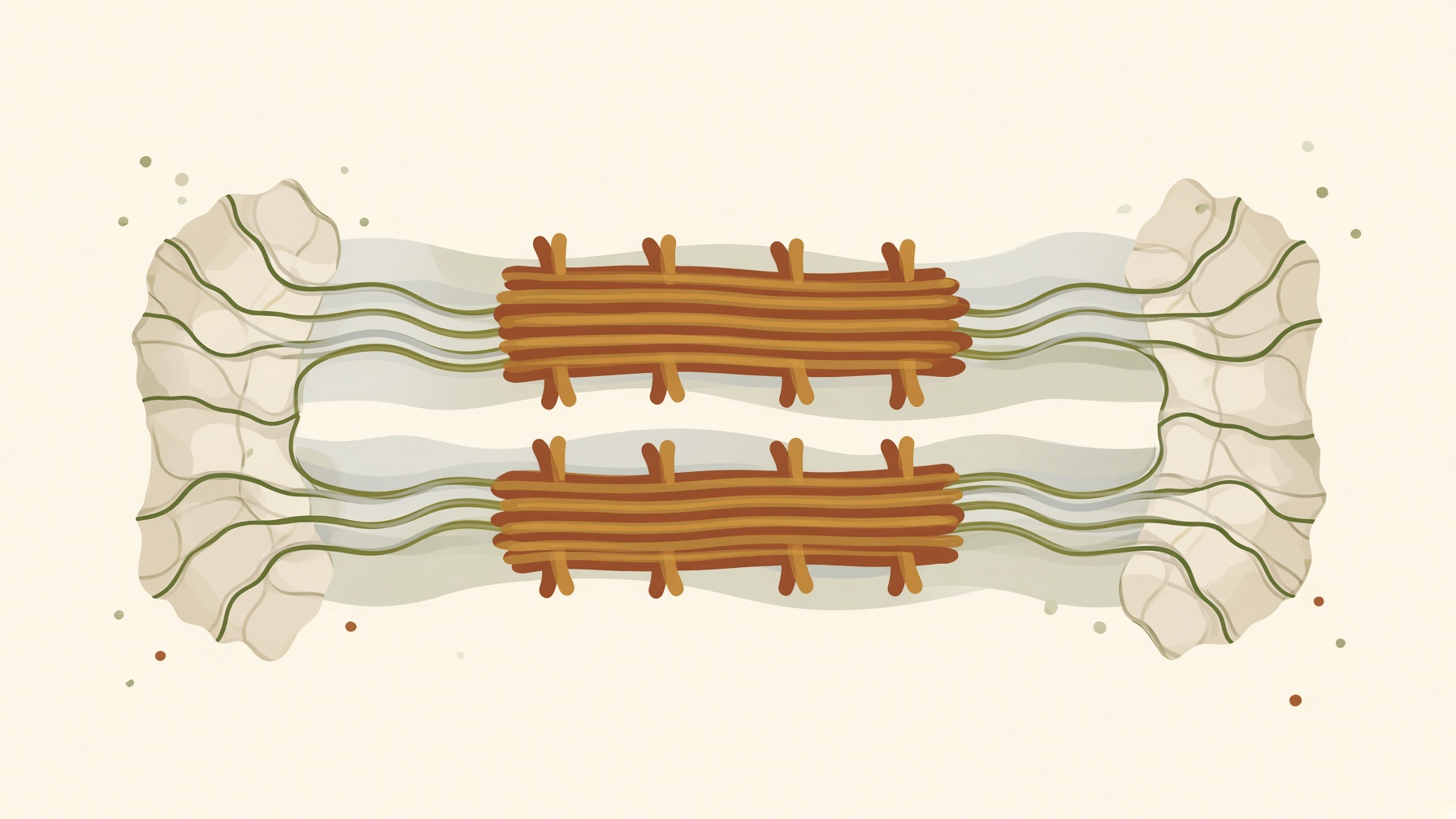
Sarcomeres shorten as thin filaments slide alongside thick filaments, increasing overlap without reducing the length of the filaments themselves.