
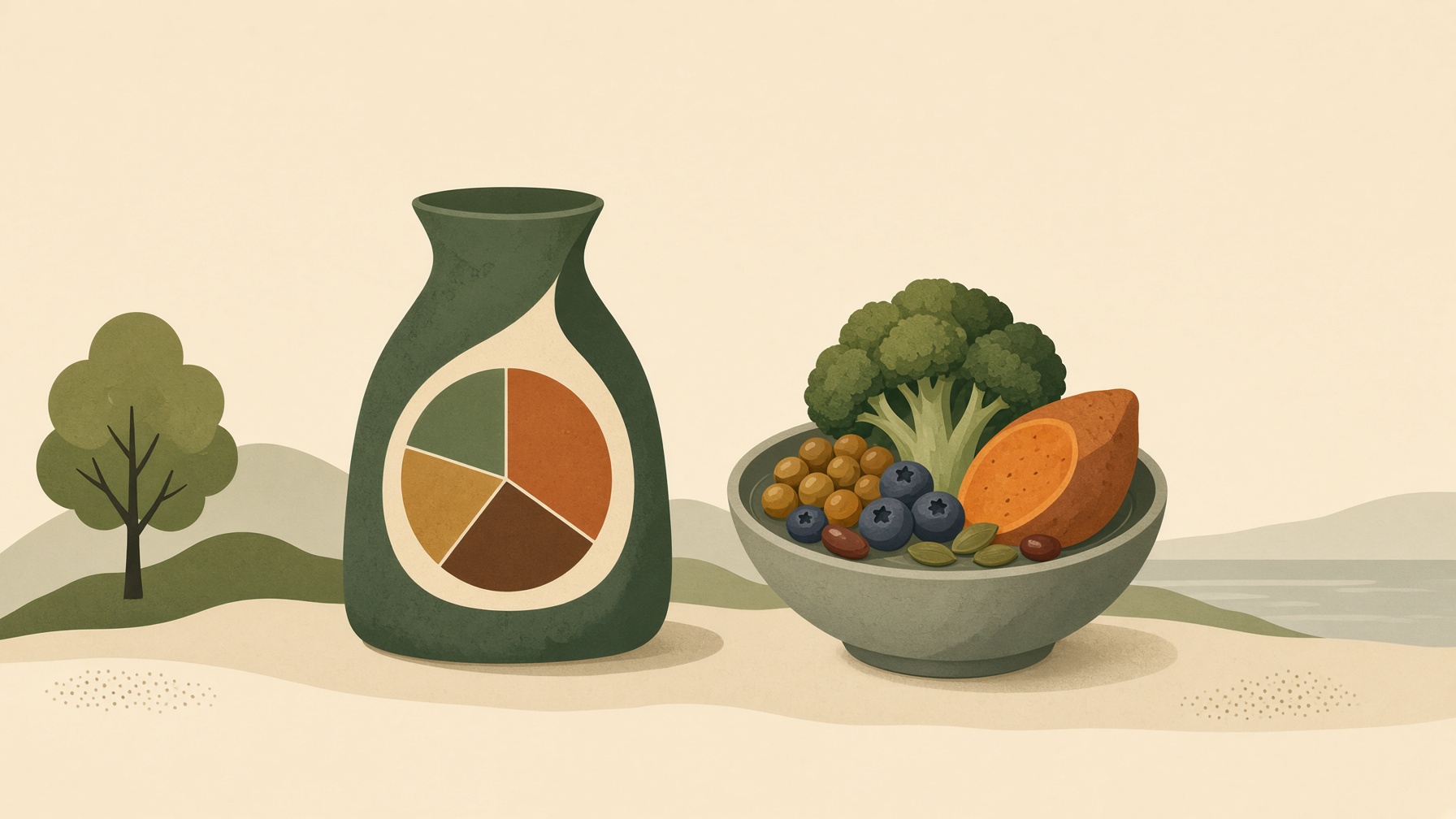
Nutrition Can Become More Challenging With Age
Older adults may need fewer calories while still needing nutrient-rich foods, making adequate nutrition within a smaller intake more challenging.
Wikis
Body composition refers to the amounts and proportions of the different components that make up the human body. Rather than treating body weight as a single quantity, body composition separates it into components that can be described and measured. A commonly used two-component model divides body mass into fat mass and fat-free mass .1,2
Fat mass refers to the body’s fat component, while fat-free mass includes the remaining components, including water, protein, minerals, and other nonfat substances. More detailed models can divide the body into additional components at molecular, cellular, tissue, and whole-body levels .1,2
Related terms are not always interchangeable. Fat mass is a body component, whereas adipose tissue is a tissue made up of fat-storing cells along with water, proteins, blood vessels, and other structures. Skeletal muscle is likewise a tissue and is not simply another name for fat-free mass .2
Body composition is also distinct from body weight and body mass index, or BMI. Body weight reflects total body mass, while BMI expresses weight relative to height. Neither directly identifies how much of that mass consists of fat, muscle, bone, water, or other components. Body composition can instead be estimated using methods such as dual-energy X-ray absorptiometry, bioelectrical impedance analysis, and other laboratory or imaging techniques, each based on different measurements and assumptions .1,2
From this collection
Older adults may need fewer calories while still needing nutrient-rich foods, making adequate nutrition within a smaller intake more challenging.
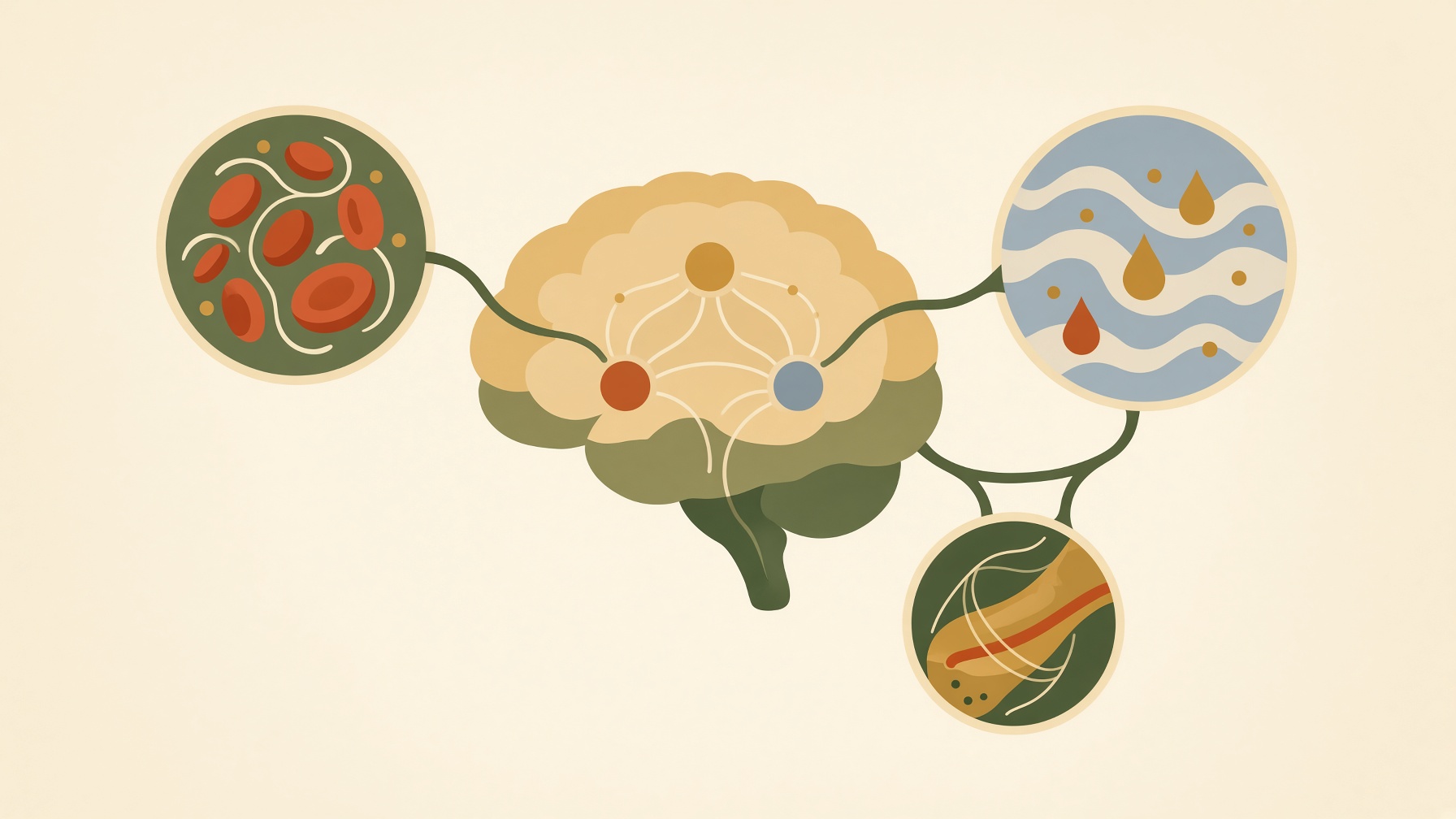
Thirst responds to changes in body-fluid balance, but signals from drinking can reduce the urge before water fully corrects the imbalance.
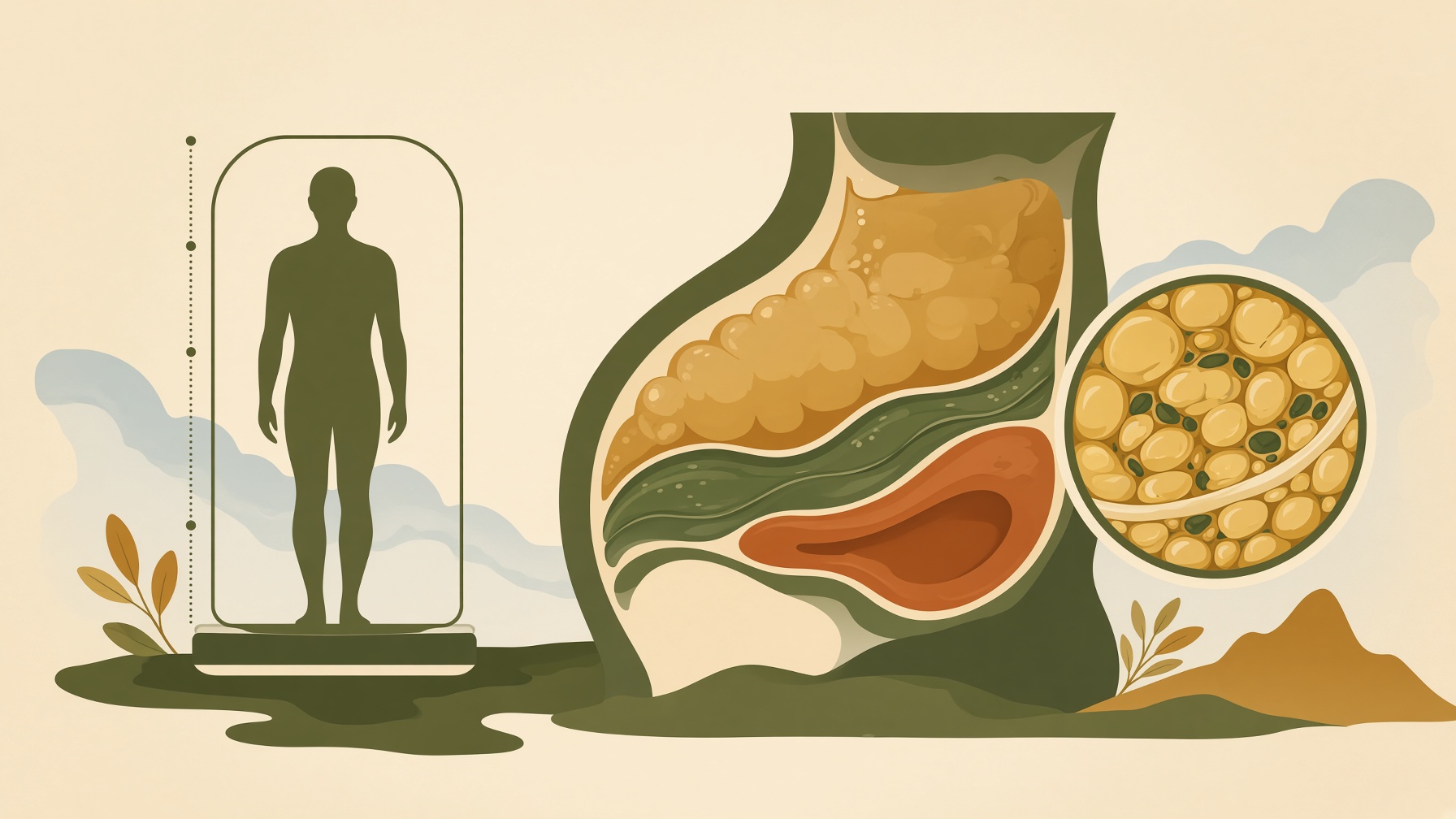
BMI screens weight relative to height, but cannot distinguish muscle from fat or show where body fat sits when assessing individual health.
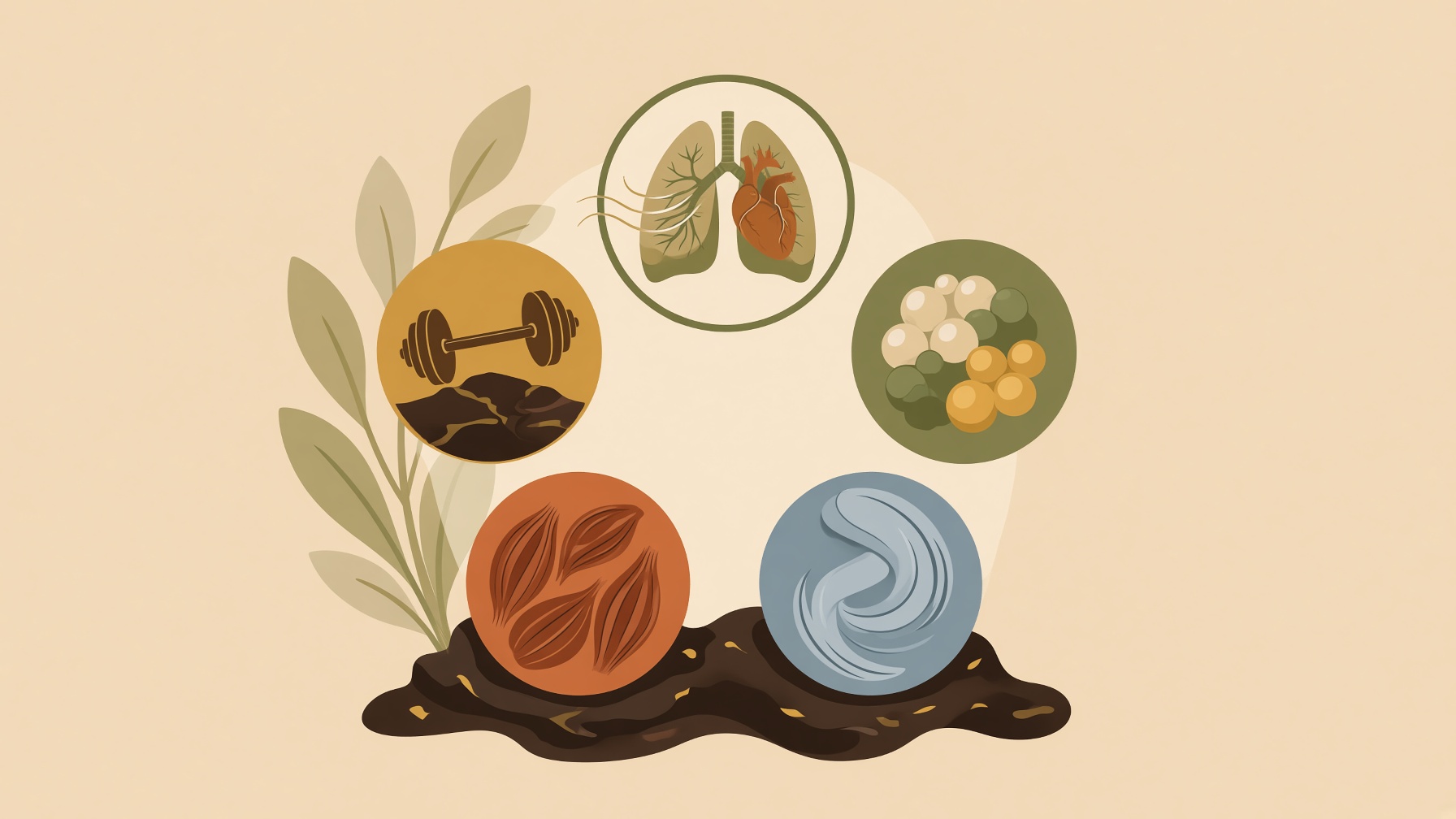
Health-related fitness describes several distinct qualities, so strength in one area does not necessarily mean equal ability across the others.