
Why Food That Looks Fine Can Still Be Unsafe
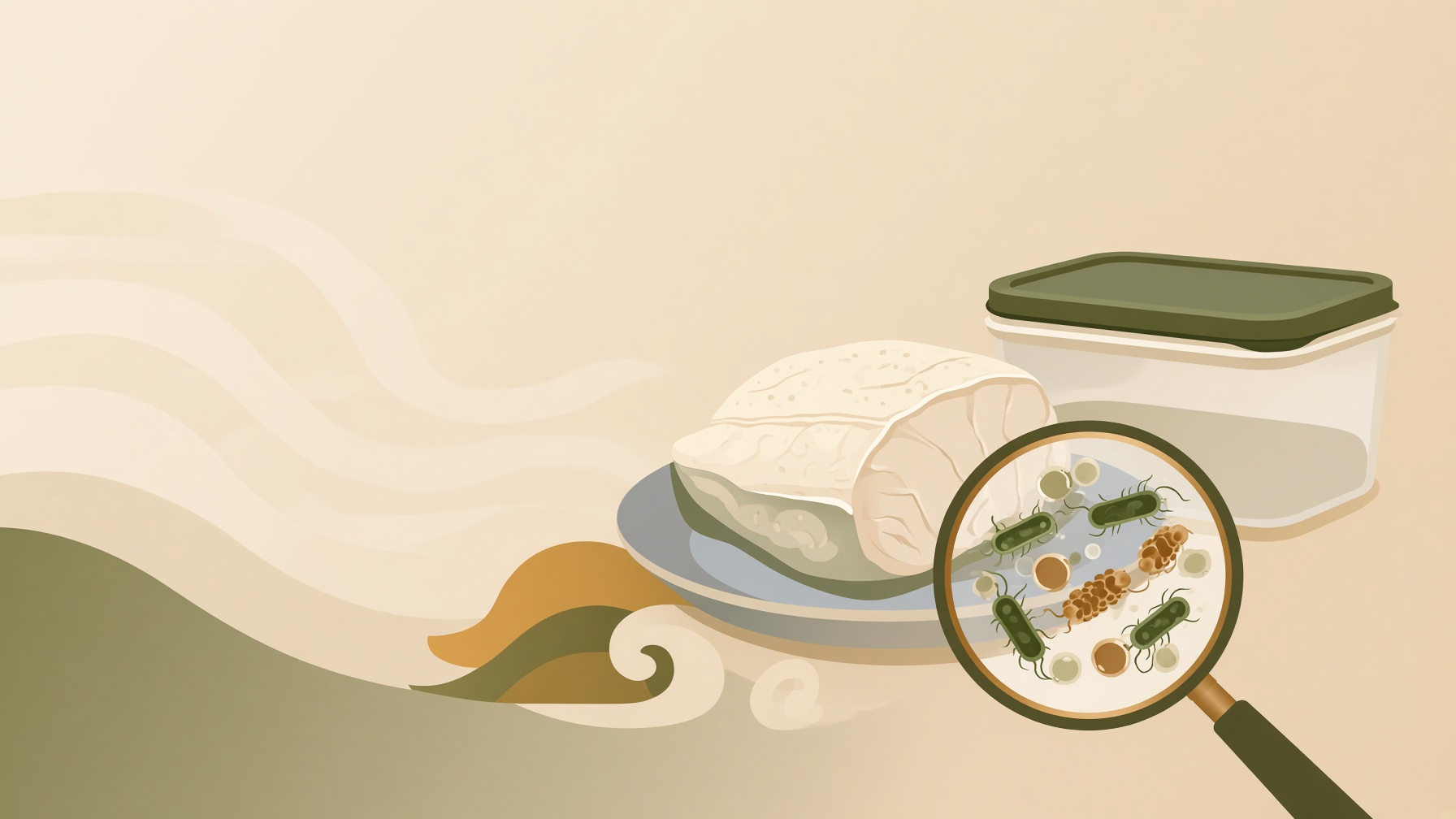
Harmful bacteria can survive or multiply in food without changing its appearance or smell, so normal-looking food is not proof of safety.
Wikis
Cross-contamination is the transfer of harmful microorganisms from a contaminated food, surface, object, or person to another food or food-contact surface. In food safety, the term commonly describes the spread of disease-causing microorganisms such as bacteria or viruses from a contaminated source to food that may later be eaten .1
Transfer can occur directly between foods or indirectly through hands, knives, cutting boards, countertops, utensils, processing equipment, or other objects. For example, microorganisms from raw poultry can be transferred to ready-to-eat food if both contact the same cutting board without adequate cleaning between uses. Contaminated raw foods can also spread microorganisms through juices or other material that contacts foods that will not subsequently be cooked .1
Cross-contamination can occur during production, processing, storage, preparation, or serving when microorganisms are transferred from one source to another. Separation of raw and ready-to-eat foods and appropriate cleaning of hands, equipment, and food-contact surfaces are common measures used to limit this transfer .1
In food-allergy terminology, cross-contamination is generally distinguished from allergen cross-contact. The U.S. Food and Drug Administration uses “allergen cross-contact” for the unintentional introduction of a food allergen into a food that is not intended to contain it. Although the routes of transfer can be similar, cross-contamination in this food-safety context concerns harmful microorganisms, whereas allergen cross-contact specifically concerns allergenic substances .1,2
From this collection
Harmful bacteria can survive or multiply in food without changing its appearance or smell, so normal-looking food is not proof of safety.