

Nutrition Can Become More Challenging With Age
Older adults may need fewer calories while still needing nutrient-rich foods, making adequate nutrition within a smaller intake more challenging.
Wikis
Energy expenditure is the amount of energy the body uses to maintain physiological functions and perform physical activity. Total daily energy expenditure (TDEE) represents the energy expended over about 24 hours and is commonly described in terms of three major components: resting energy expenditure, the thermic effect of food, and physical activity energy expenditure .1,2
Resting energy expenditure is the energy required to sustain basic physiological functions while the body is at rest, including circulation, respiration, cellular maintenance, and organ metabolism. It is usually the largest component of total energy expenditure in people who are not highly active. The thermic effect of food is the temporary increase in energy expenditure associated with the digestion, absorption, and metabolism of nutrients .1
Physical activity energy expenditure includes energy used during structured exercise as well as everyday movement and other activity. It is generally the most variable component of daily energy expenditure. Total energy expenditure is also influenced by factors such as body size and composition, age, growth, pregnancy and lactation, environmental conditions, and physiological state .1,2
Energy expenditure is distinct from energy intake. Energy intake is the metabolizable energy obtained from foods and beverages, whereas energy expenditure describes energy used by the body. Their relationship over time determines changes in body energy stores and is central to energy balance. Both intake and expenditure can also change as body weight and physiological conditions change .1
From this collection
Older adults may need fewer calories while still needing nutrient-rich foods, making adequate nutrition within a smaller intake more challenging.
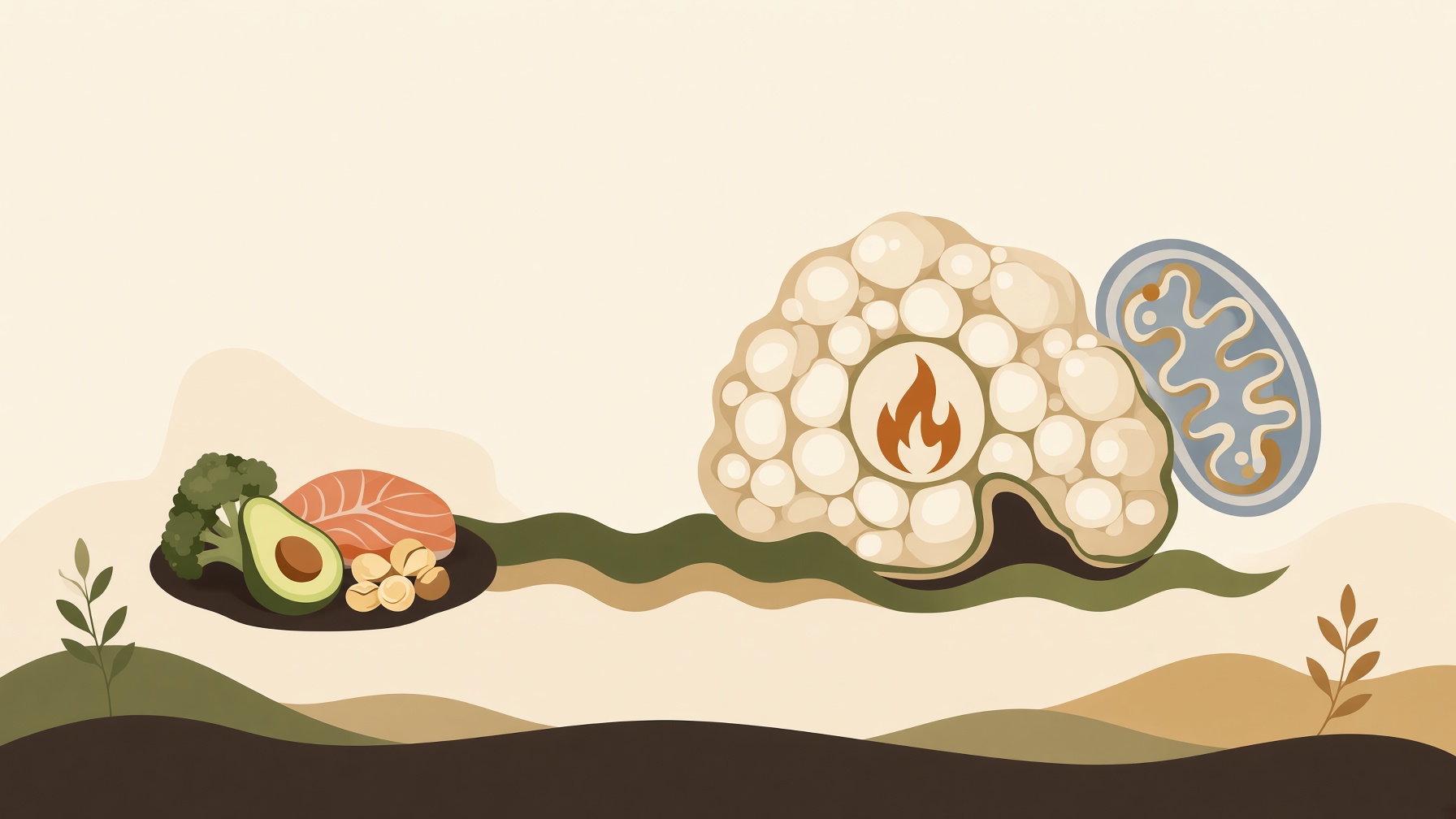
Low-carbohydrate diets can increase fat burning, but losing stored body fat still requires an energy deficit sustained over time.
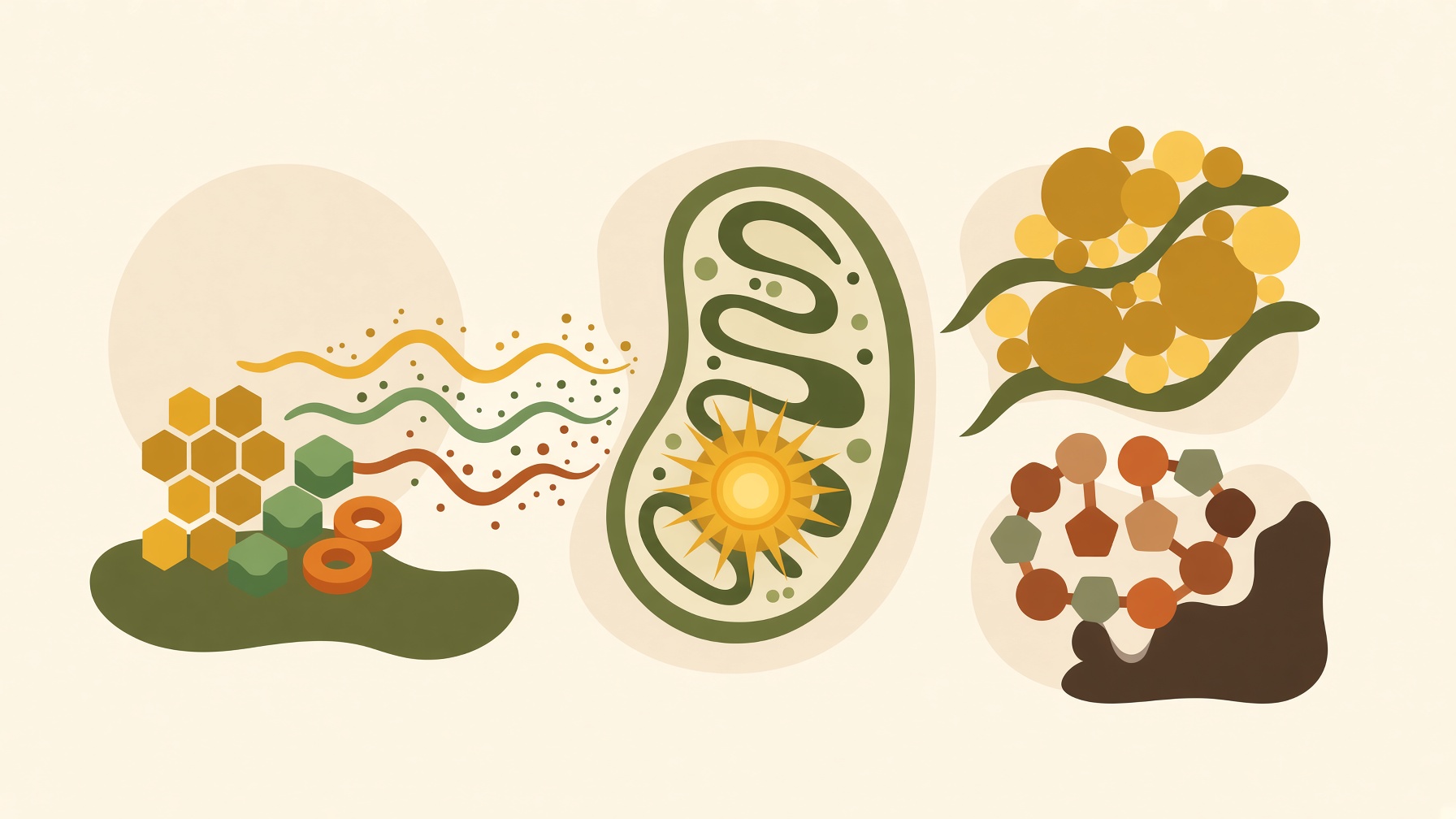
Macronutrients provide different metabolic options after digestion, so carbohydrate, protein, and fat do not serve interchangeable roles in the body.

Physical activity includes everyday movement that uses energy, while exercise adds planned, structured repetition to improve or maintain fitness.