
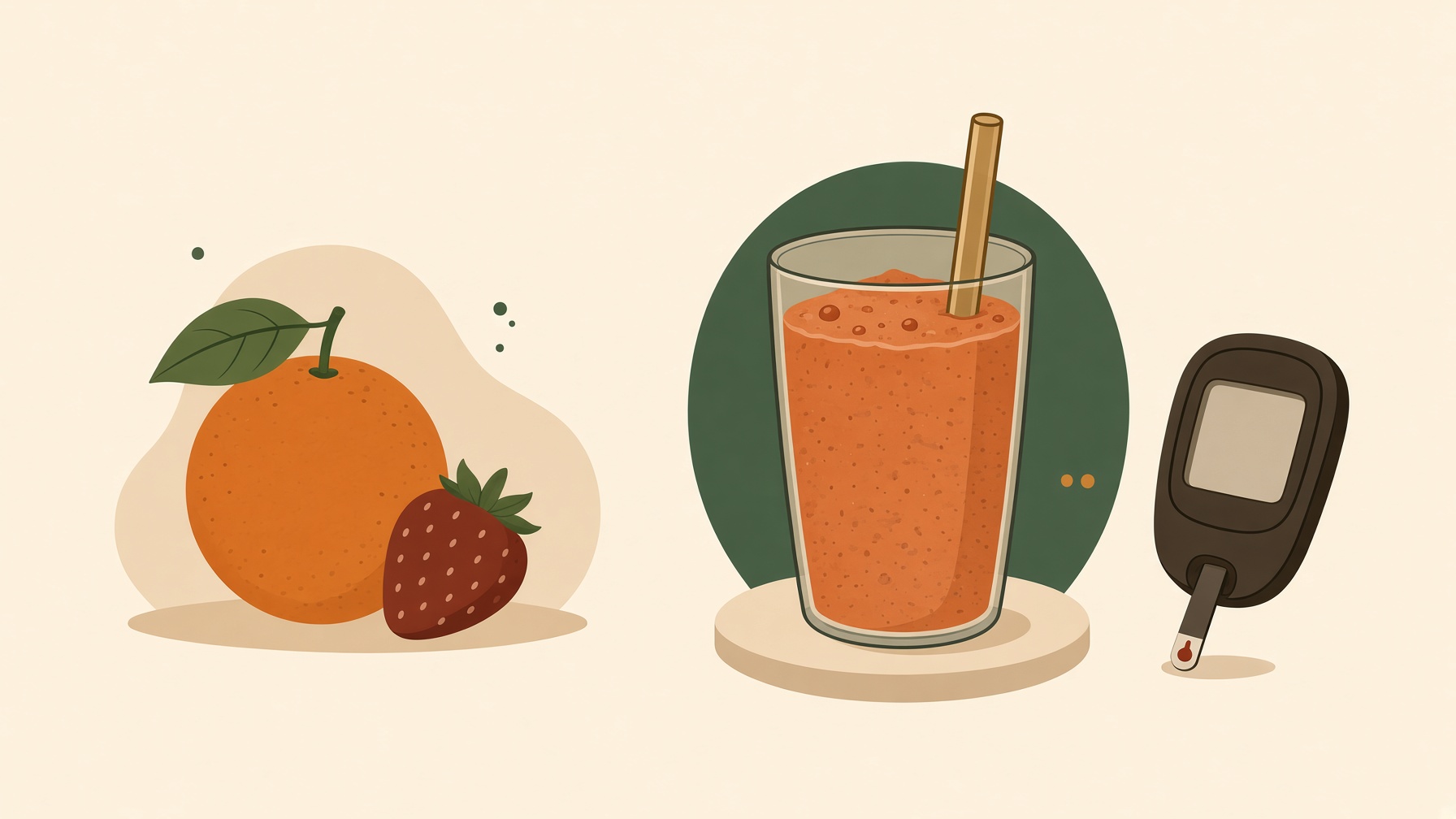
Whole or Blended Fruit: Does the Same Portion Affect Blood Sugar Differently?
Blending fruit does not reliably predict a larger short-term blood-glucose rise from a matched portion in the healthy adults studied.
Wikis
The food matrix describes how nutrients are arranged within a food, shaping how those nutrients are released during digestion and become available.
A food matrix is the physical environment within a food that contains its components and allows them to interact. It describes how substances such as nutrients are organized and embedded, rather than simply which substances are present. That organization can make a component behave differently from the same substance isolated from the food .1
The distinction matters during digestion. Nutrients must be released from the surrounding matrix before they can become available for absorption. The matrix therefore helps determine the course of nutrient release and the interactions that occur before absorption in the small intestine. Two foods with similar chemical composition can consequently differ in how their nutrients become available to the body, an example of the food matrix effect .2
Food processing can change this physical environment and alter nutrient release. The concept applies to processed foods as well as other foods: processing can create or modify matrices .1,2
From this collection
Blending fruit does not reliably predict a larger short-term blood-glucose rise from a matched portion in the healthy adults studied.
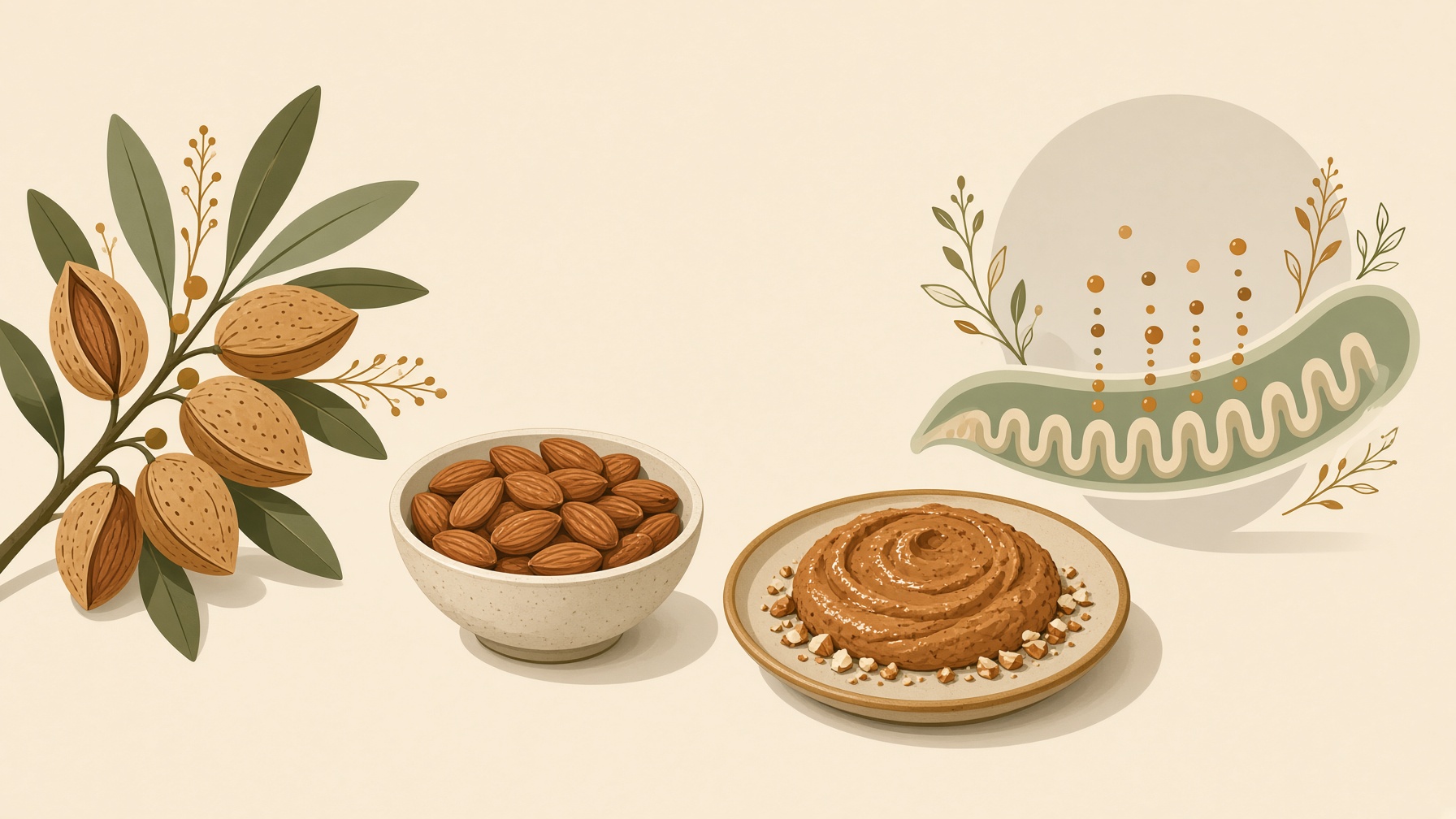
Whole almonds yielded less metabolizable energy than pure almond butter in a small feeding trial, with access to fat a plausible explanation.