
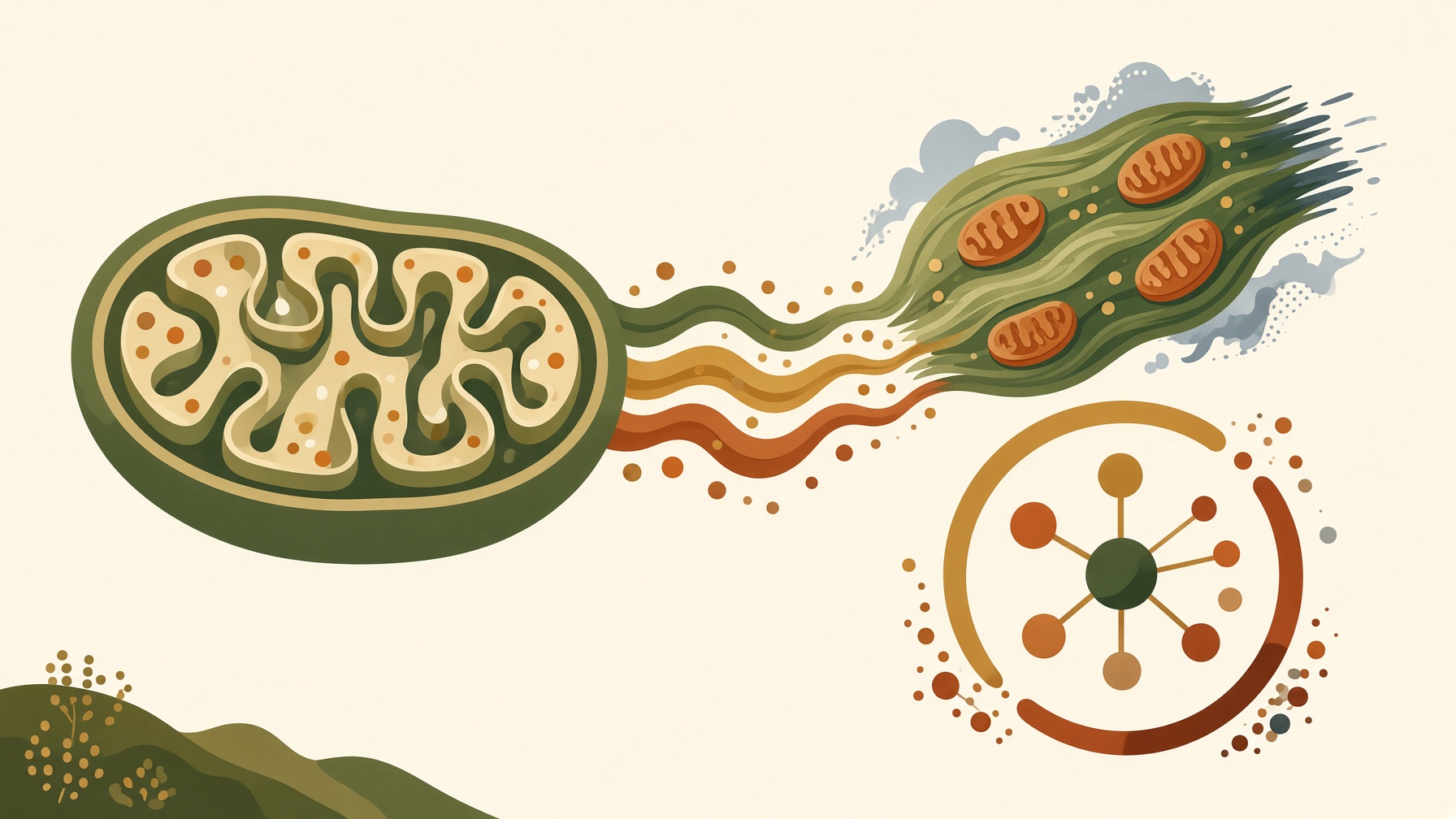
How Your Body Produces Energy During Exercise?
ATP regeneration draws on overlapping energy pathways whose contributions shift with exercise demands, keeping muscle work supplied with usable energy.
Wikis
Glycolysis is a metabolic pathway that converts glucose, a six-carbon sugar, into two molecules of pyruvate, each containing three carbons. It takes place in the cytosol and consists of ten enzyme-catalyzed reactions. Glycolysis captures some of the chemical energy in glucose as adenosine triphosphate (ATP) and the reduced electron carrier NADH .1,2
The pathway has an initial energy-investment stage followed by an energy-producing stage. Two ATP molecules are consumed early in the pathway, while four ATP molecules are produced later by substrate-level phosphorylation, giving a net gain of two ATP per glucose molecule. Two molecules of NAD+ are also reduced to NADH, so the overall glycolytic conversion of one glucose produces two pyruvate, two net ATP, and two NADH .1,2
Glycolysis itself does not require molecular oxygen. However, continued glycolysis requires regeneration of NAD+ from NADH. When mitochondrial oxidative metabolism is available, reducing equivalents from cytosolic NADH can ultimately enter mitochondrial oxidative pathways, while pyruvate can be converted to acetyl-CoA for further oxidation. Pyruvate can also be converted to lactate, a reaction that regenerates NAD+ and thereby supports continued glycolysis when oxidative regeneration of NAD+ is insufficient .1,2
Glycolysis is not the same as complete glucose oxidation. It extracts only part of the energy available in glucose and produces pyruvate as its direct end product. It also differs from the pentose phosphate pathway, which branches from glucose-6-phosphate and primarily generates NADPH and pentose sugars rather than pyruvate and ATP .1
From this collection
ATP regeneration draws on overlapping energy pathways whose contributions shift with exercise demands, keeping muscle work supplied with usable energy.
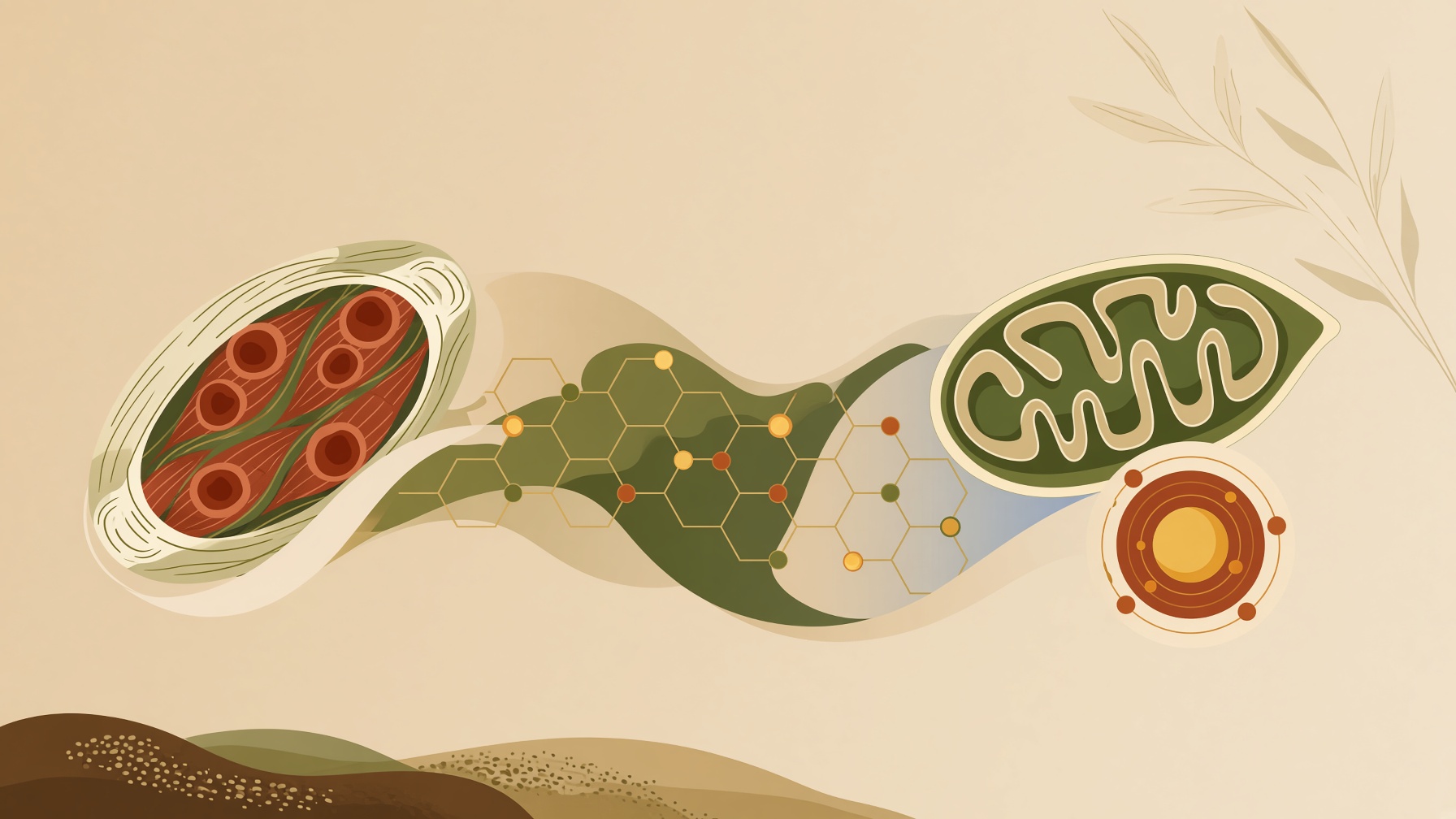
Glycolysis helps muscle replenish ATP quickly during intense exercise while other energy pathways continue contributing at the same time.
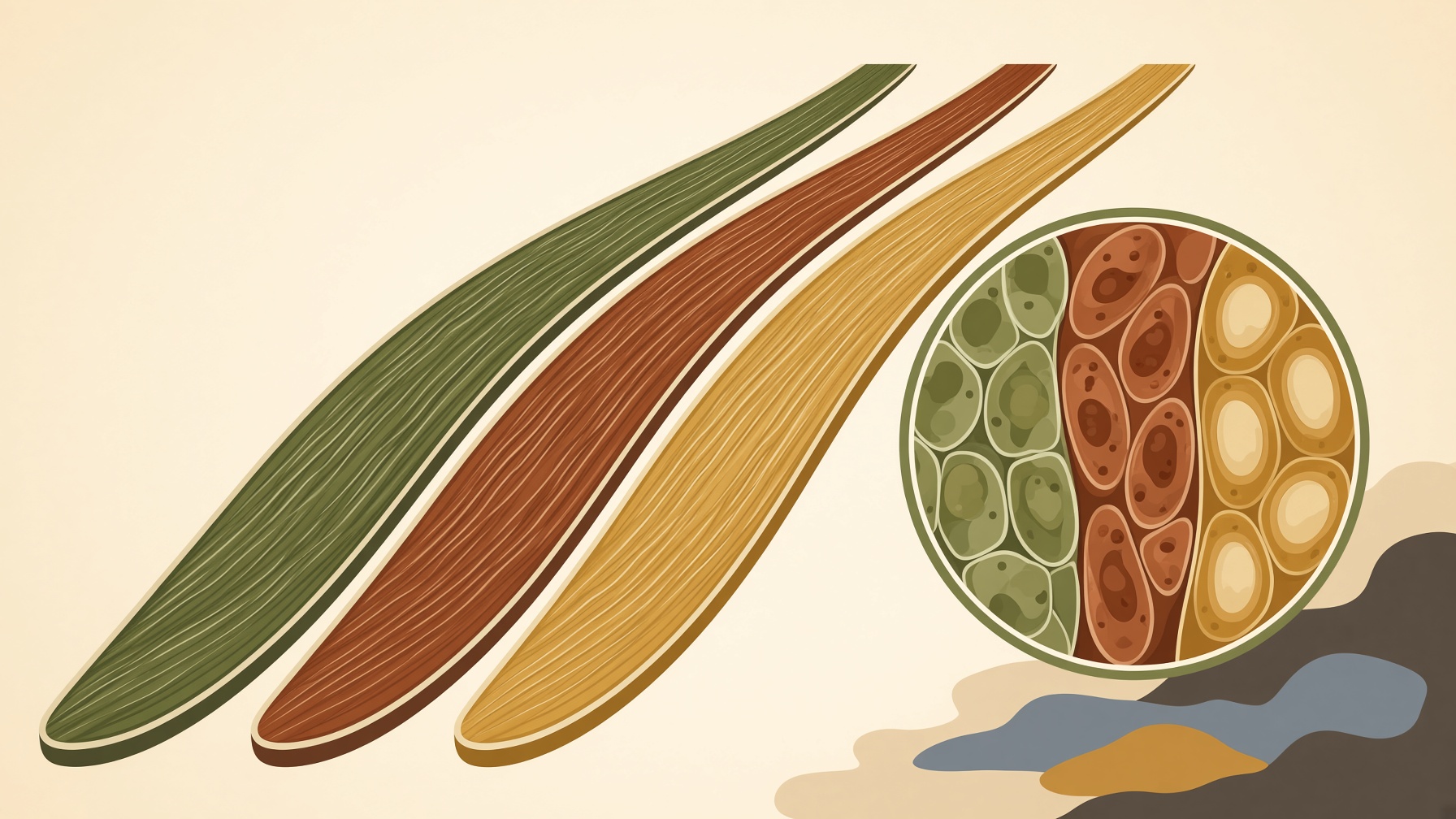
Muscle fibers differ in contraction speed and energy supply, making some better suited to sustained effort and others to rapid, powerful work.
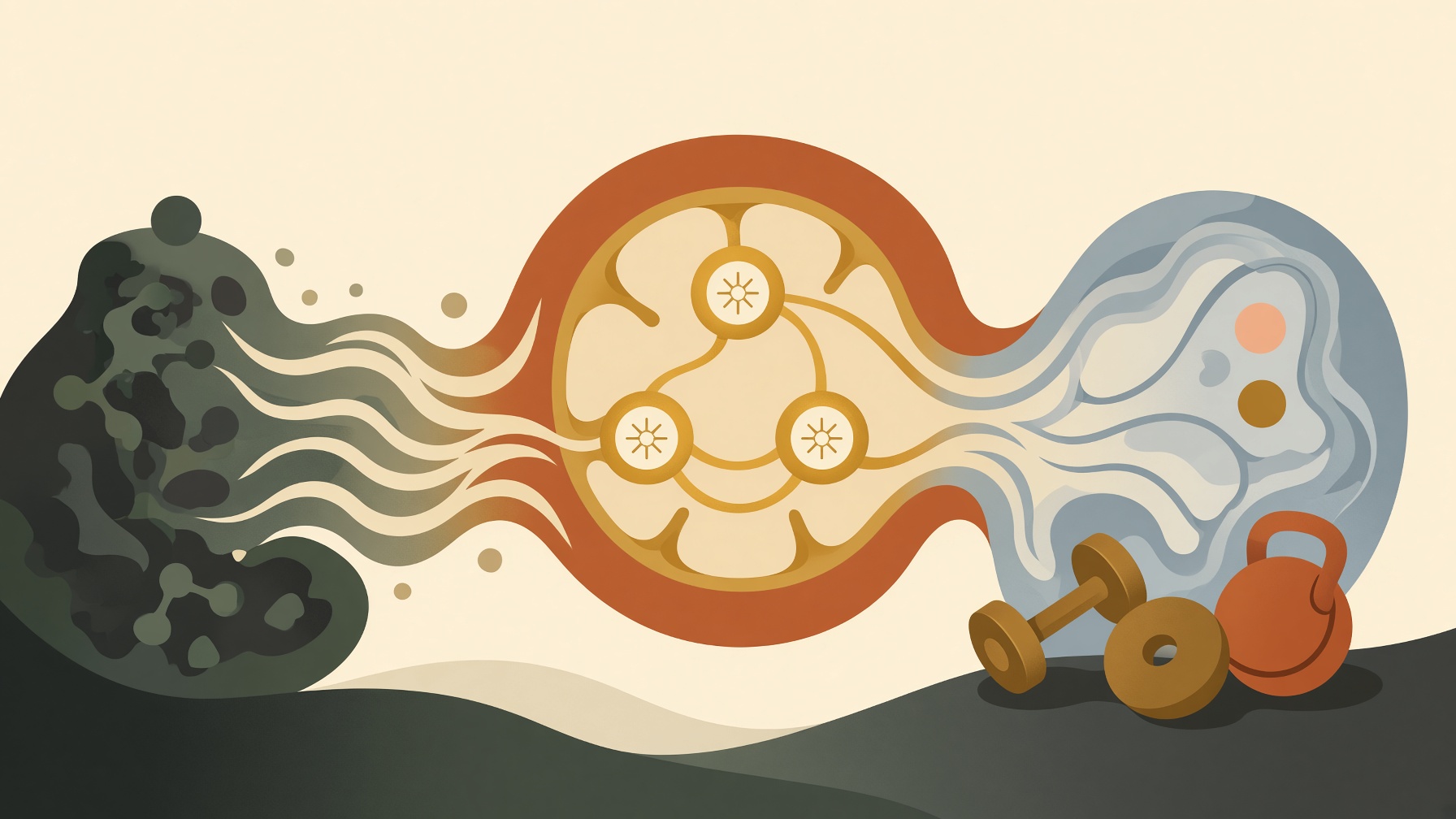
Exercise energy systems work together to replenish ATP, with intensity and duration shifting each pathway’s share rather than switching systems on.
Carbohydrate metabolism supplies more than immediate energy, providing glucose-derived material that cells can store or use to build molecules.