

Nutrition Can Become More Challenging With Age
Older adults may need fewer calories while still needing nutrient-rich foods, making adequate nutrition within a smaller intake more challenging.
Wikis
Mobility generally refers to the ability to move the body or a joint through a useful range of motion. In exercise and sport contexts, the term is often used to emphasize active, controlled movement through an available range, involving factors such as strength, coordination, and motor control in addition to range of motion itself. However, its definition is not fully standardized across these fields .1,2
Mobility is closely related to range of motion, which describes the amount of movement available at a joint. Joint range of motion is influenced by factors including joint structure, soft-tissue properties, muscle activity, neural factors, and tolerance to stretch. A person can therefore have a large passive range of motion without necessarily being able to actively control that entire range .1,2
Mobility is related to but not synonymous with flexibility. Flexibility is often used to describe aspects of the ability of muscles and other soft tissues to permit movement through a range of motion, whereas mobility is commonly used more broadly to describe the ability to move effectively through that range. Terminology varies across exercise and rehabilitation contexts, so the two terms are not always used consistently .1,2
The term has a broader meaning in rehabilitation and public health. The World Health Organization uses mobility to include activities such as changing body position, transferring, walking, and moving from one place to another. Its intended meaning therefore depends on whether mobility is being discussed at the level of a joint, an exercise movement, or overall physical functioning .3
From this collection
Older adults may need fewer calories while still needing nutrient-rich foods, making adequate nutrition within a smaller intake more challenging.
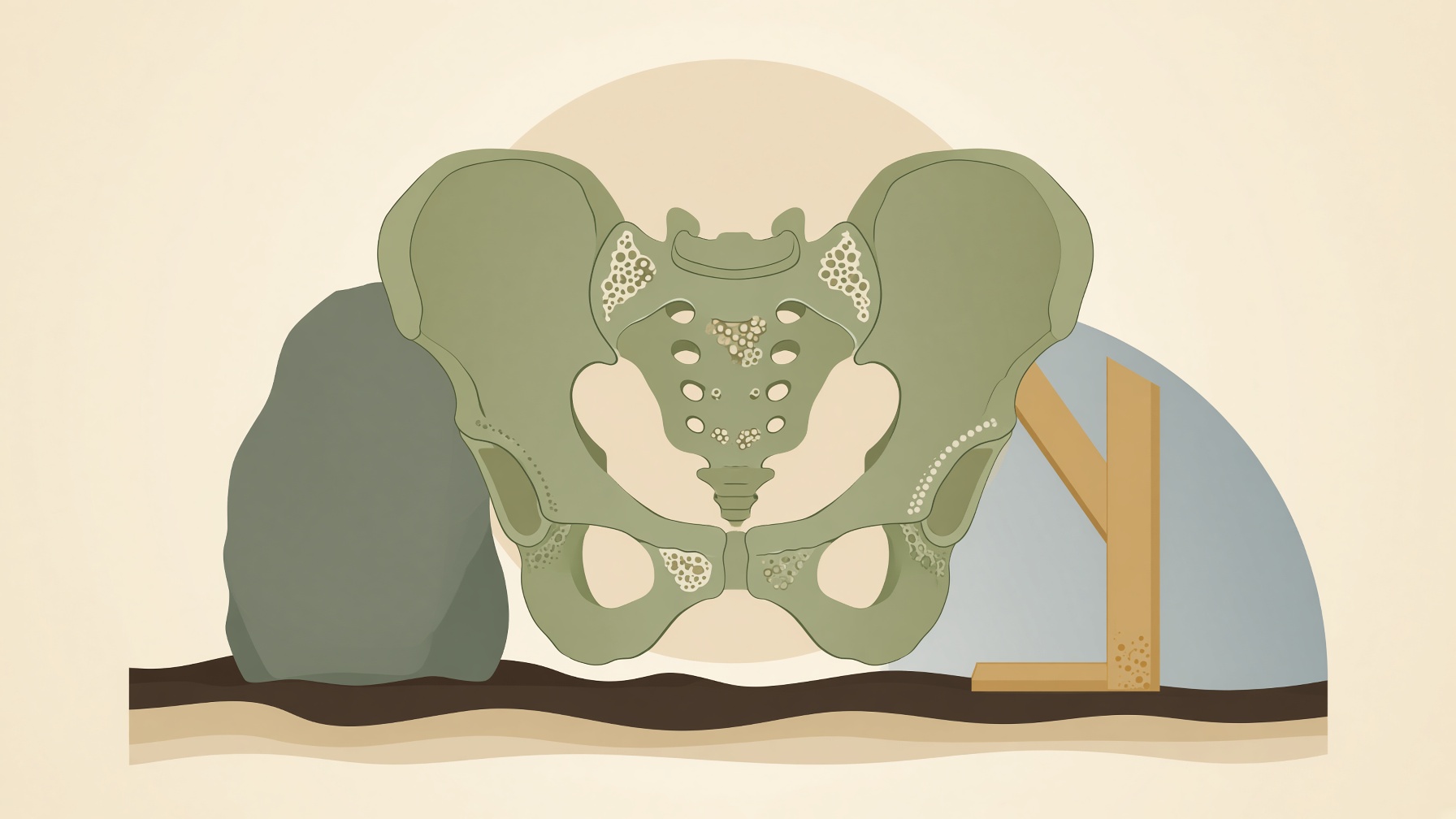
The pelvis limits movement through strong bony connections, providing a stable base that transfers upper-body weight toward the lower limbs.