
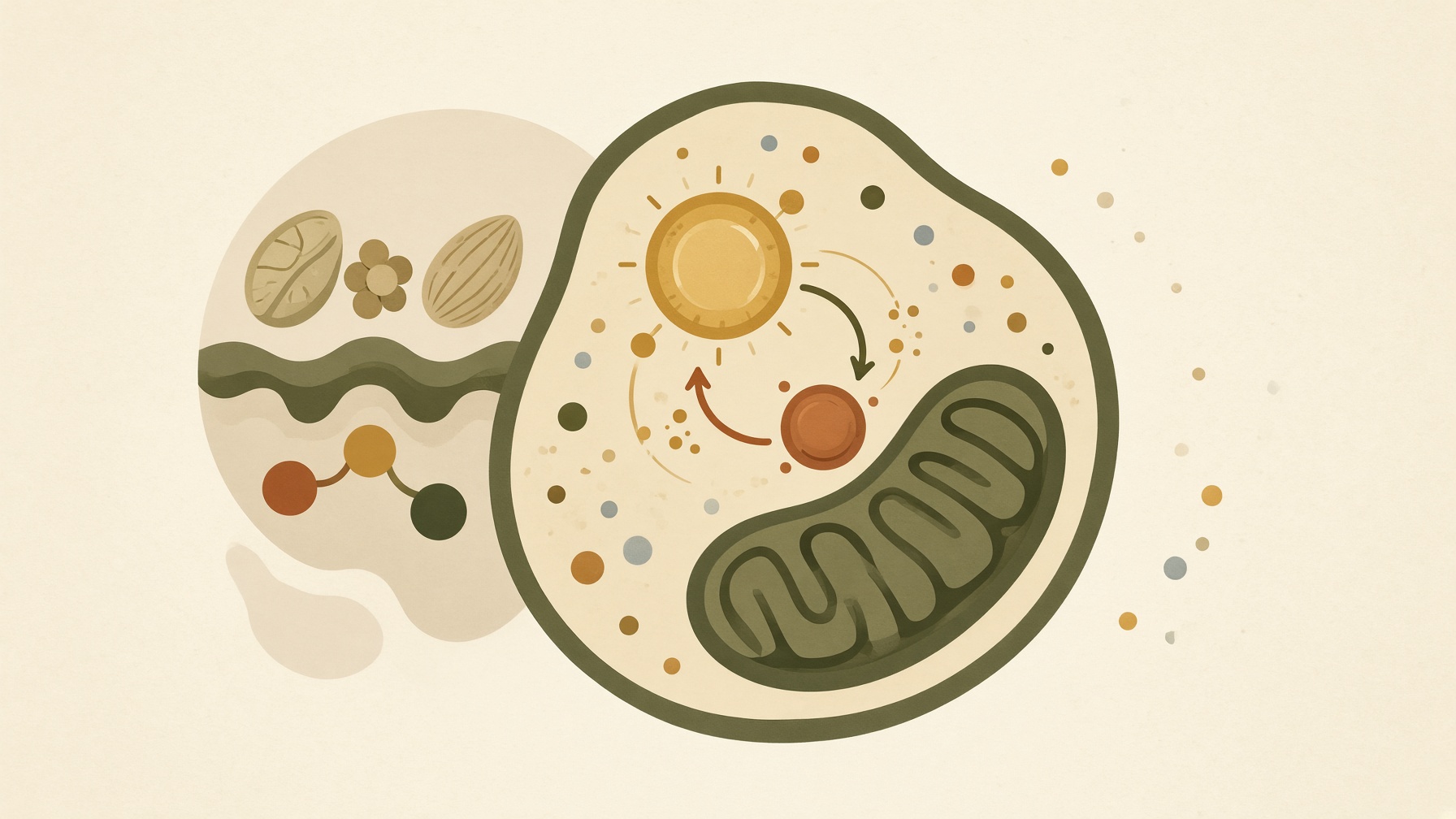
How Cells Keep Their Energy Supply Going
Cells repeatedly regenerate ATP as cellular work consumes the small available supply, making continuous turnover more important than stockpiling.
Wikis
Oxidation is a chemical process in which a substance loses electrons or in which the oxidation state of one or more of its atoms increases. Historically, oxidation referred to reactions involving oxygen, and many oxidation reactions do involve the gain of oxygen or loss of hydrogen. However, oxygen is not required for a reaction to be classified as oxidation .1
Oxidation occurs together with reduction. When one chemical species loses electrons, another accepts them and is reduced. Reactions involving these paired changes are called oxidation-reduction, or redox, reactions. A substance that causes another substance to be oxidized by accepting electrons is called an oxidizing agent .1,2
In biological systems, oxidation is fundamental to metabolism. Cells oxidize energy-rich molecules through controlled sequences of enzyme-catalyzed reactions. Electrons are transferred progressively to carriers and, during aerobic respiration, ultimately to oxygen. This controlled oxidation releases free energy, part of which can be captured in forms that support processes such as ATP production .2
For organic molecules, oxidation often involves loss of hydrogen or an increase in bonds between carbon and electronegative atoms such as oxygen. Reduction generally produces the opposite change. Oxidation itself should not be confused with oxidative damage: oxidation is a broad and essential category of chemical reactions, whereas oxidative damage refers specifically to harmful chemical modification of biological molecules .1,2
From this collection
Cells repeatedly regenerate ATP as cellular work consumes the small available supply, making continuous turnover more important than stockpiling.
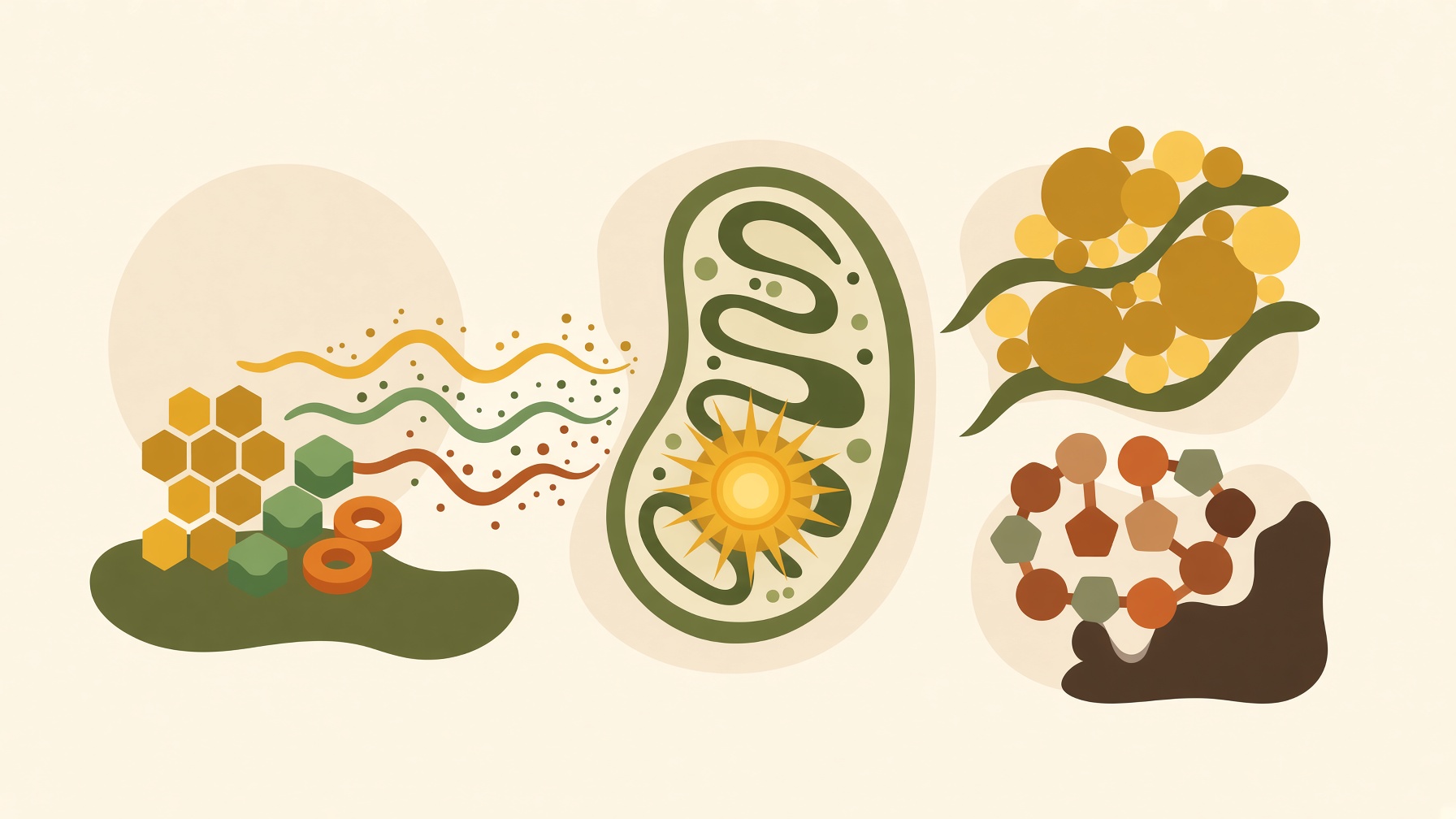
Macronutrients provide different metabolic options after digestion, so carbohydrate, protein, and fat do not serve interchangeable roles in the body.
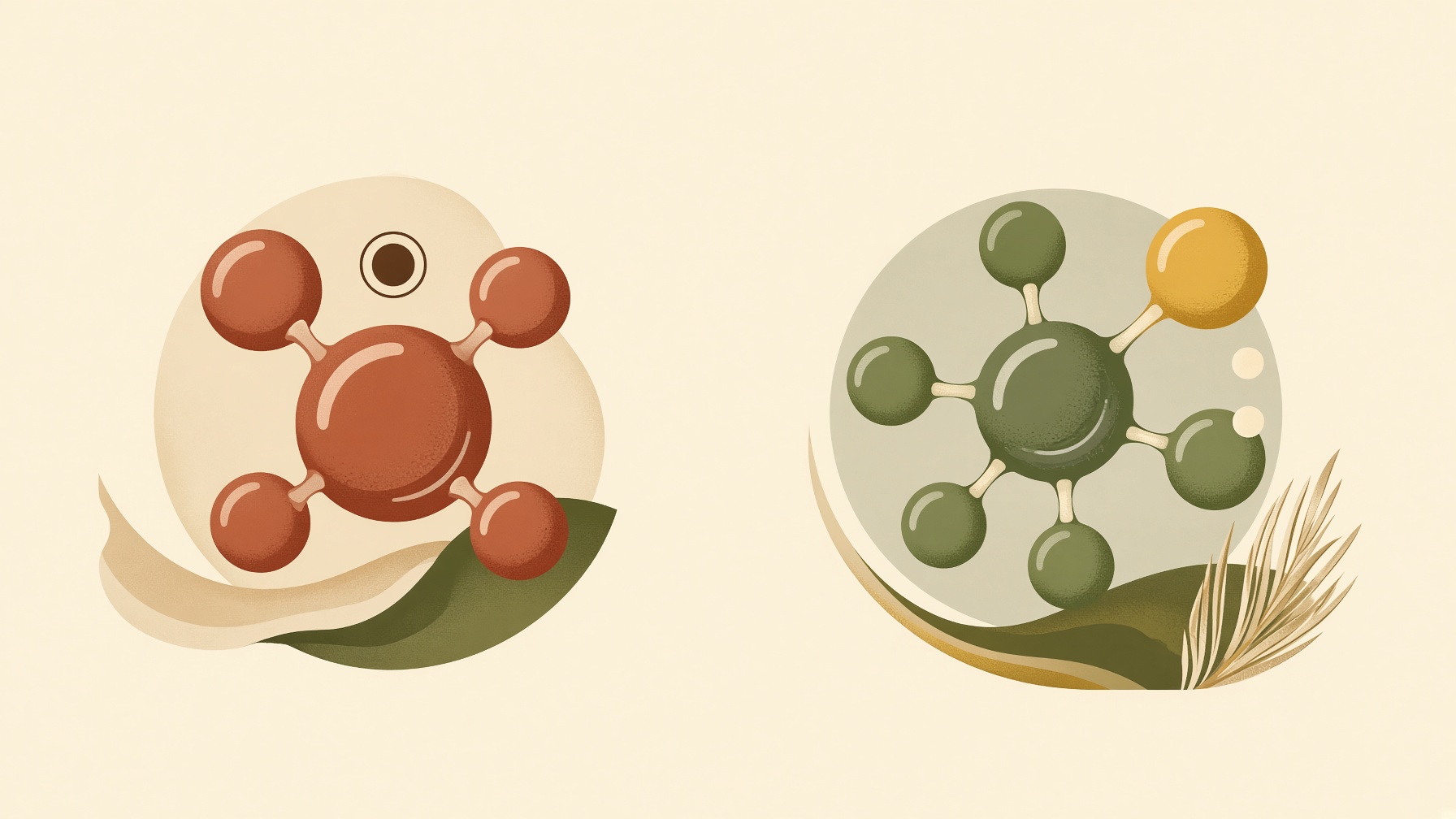
Redox reactions pair electron loss with electron gain, allowing metabolic pathways to transfer reducing power between molecules inside cells.
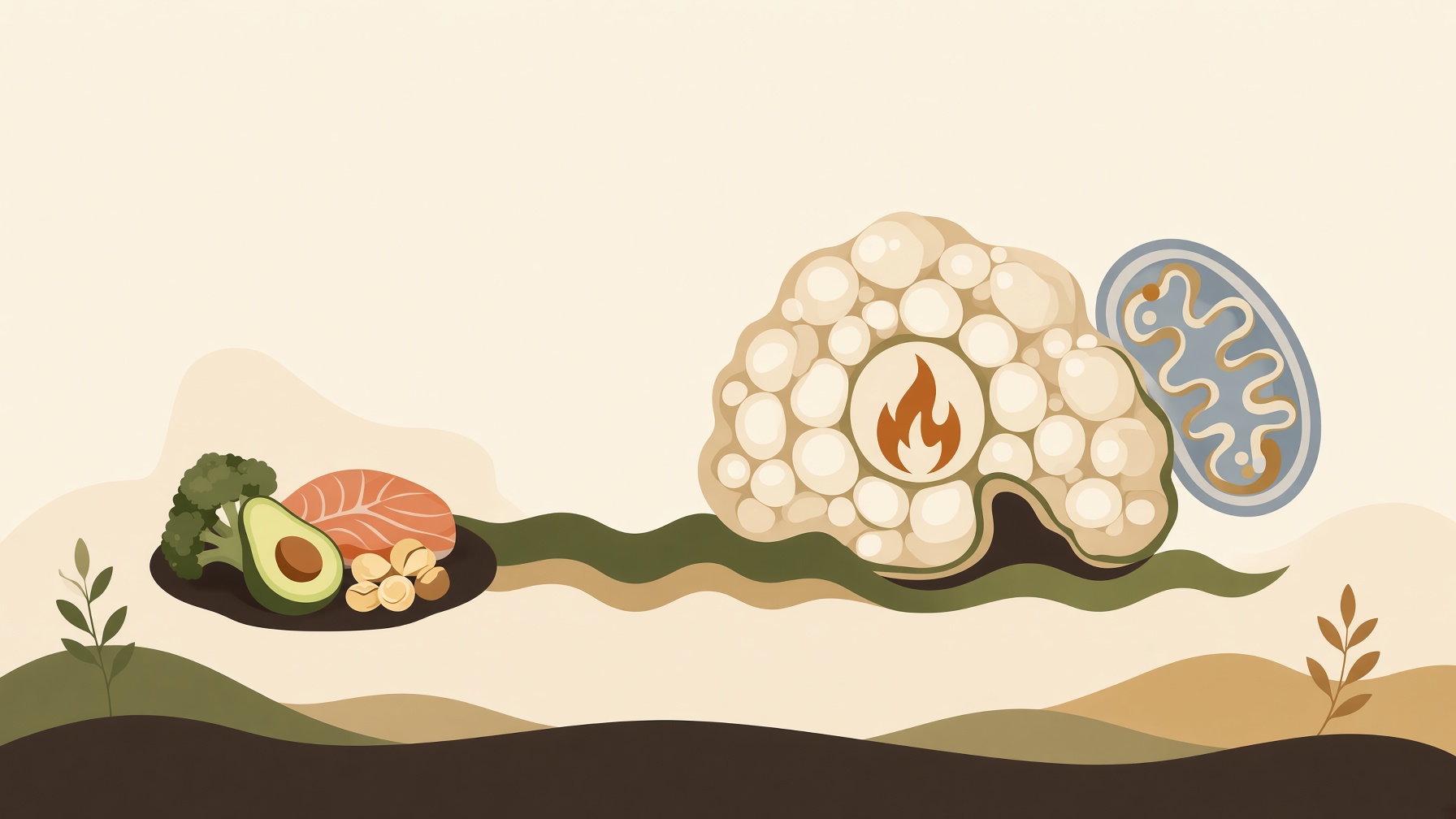
Low-carbohydrate diets can increase fat burning, but losing stored body fat still requires an energy deficit sustained over time.
Carbohydrate metabolism supplies more than immediate energy, providing glucose-derived material that cells can store or use to build molecules.