
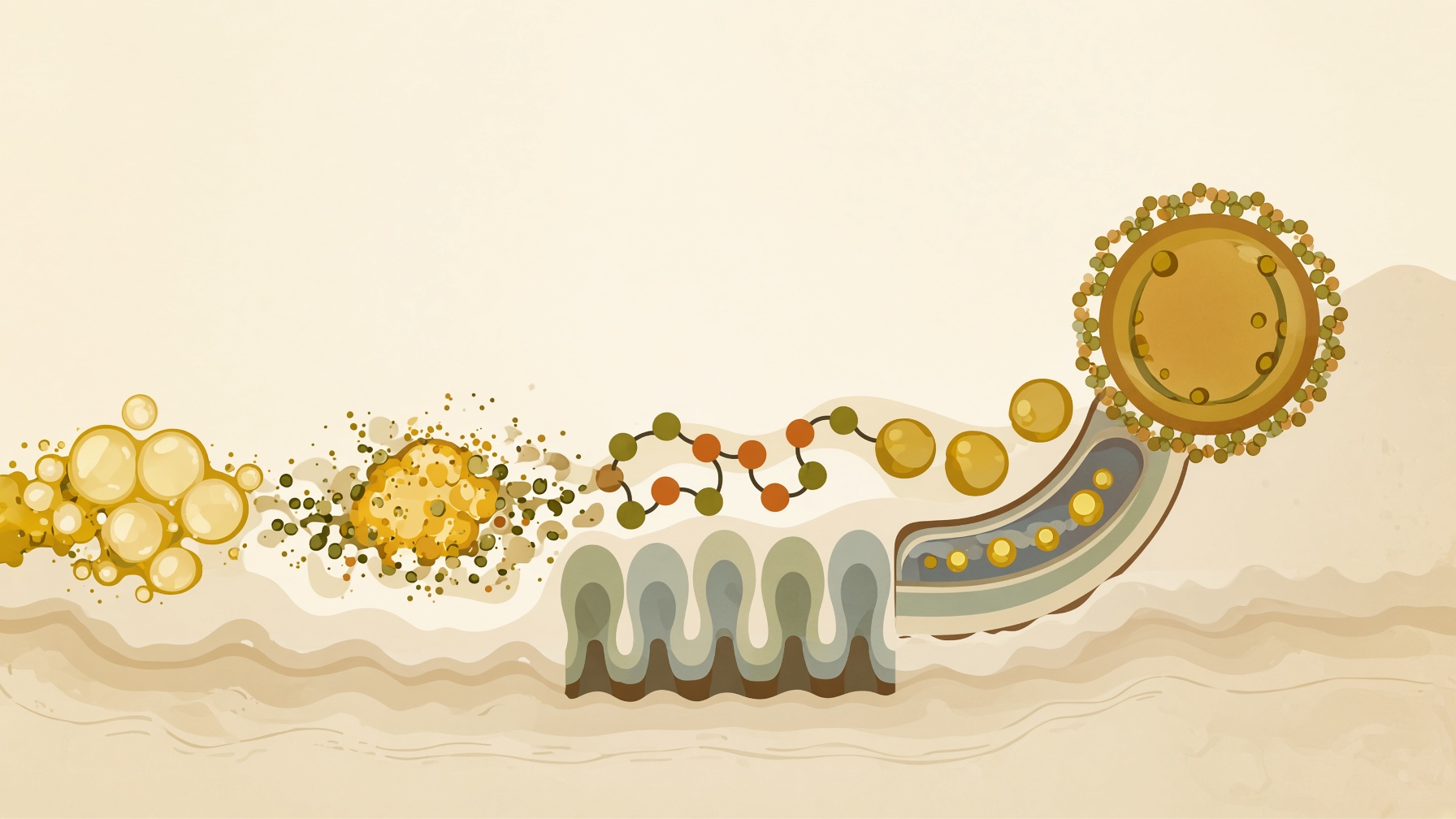
How Your Body Digests and Absorbs Dietary Fat
Dietary fat digestion combines physical dispersal by bile salts with enzyme breakdown, producing lipid components that intestinal cells can absorb.
Wikis
Triglycerides, also called triacylglycerols, are lipids composed of one glycerol molecule esterified with three fatty acids. The three fatty acids can be identical or different, so triglycerides represent a large family of molecules rather than a single chemical compound. They are a major chemical form in which dietary fat is consumed and energy is stored in the human body .1,2
In adipose tissue, triglycerides are stored inside adipocytes in lipid droplets. During lipolysis, enzymes called lipases hydrolyze stored triglycerides, releasing fatty acids and glycerol. The fatty acids can then be transported to other tissues and oxidized as metabolic fuel .3
Because triglycerides are poorly soluble in water, they are transported in blood within lipoprotein particles. After dietary triglycerides are digested and their components absorbed, intestinal cells reassemble triglycerides and package them into chylomicrons. Triglycerides synthesized or assembled in the liver are transported mainly in very-low-density lipoproteins (VLDL). Lipoprotein lipase acts on these circulating particles to hydrolyze their triglycerides and release fatty acids for uptake by tissues .2
Triglycerides are distinct from both free fatty acids and cholesterol. Fatty acids are components from which triglycerides are built, whereas cholesterol has a different chemical structure and biological functions. A blood triglyceride measurement refers mainly to triglycerides carried within circulating lipoprotein particles rather than to unesterified fatty acids in plasma .1,2
From this collection
Dietary fat digestion combines physical dispersal by bile salts with enzyme breakdown, producing lipid components that intestinal cells can absorb.
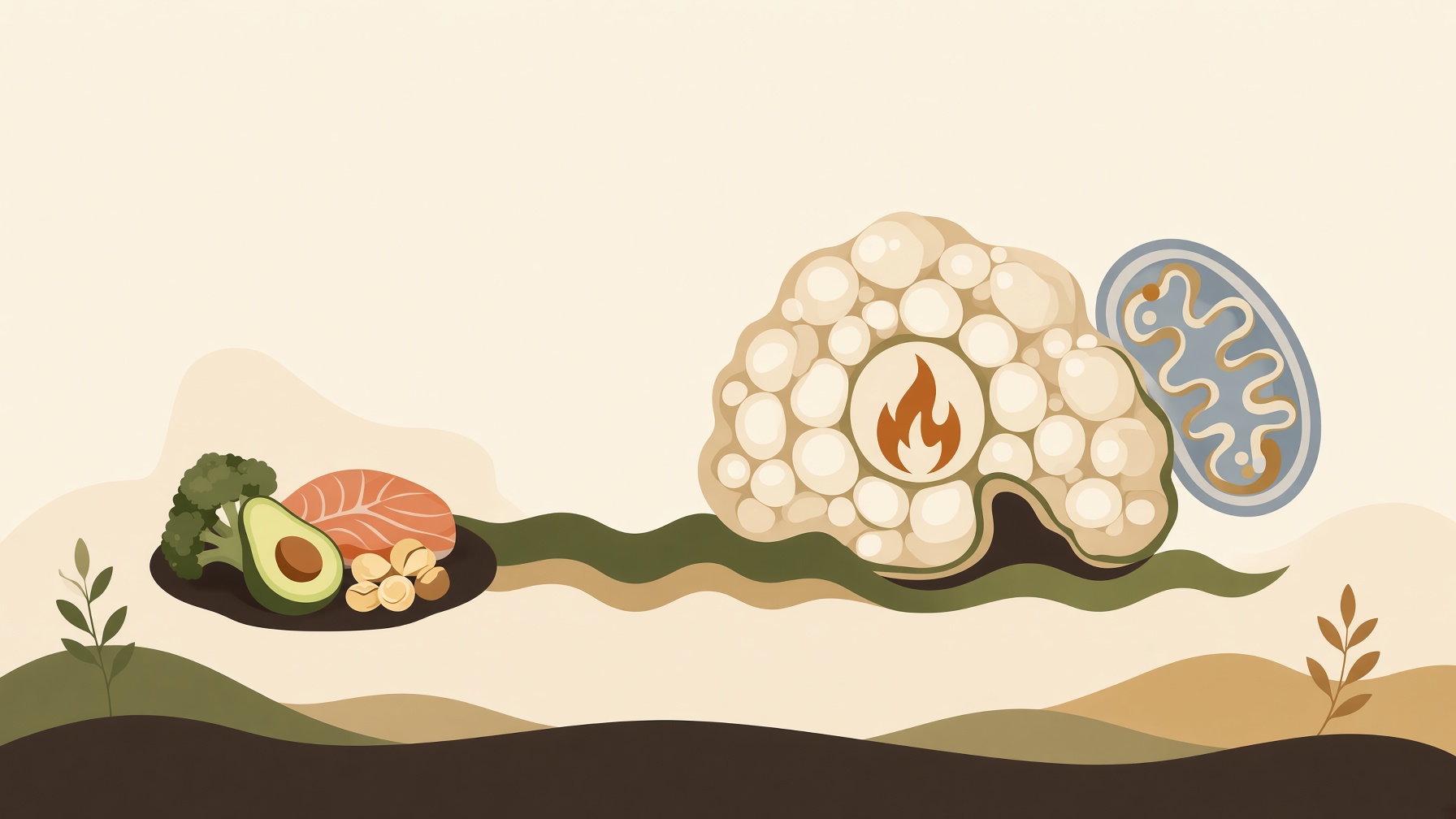
Low-carbohydrate diets can increase fat burning, but losing stored body fat still requires an energy deficit sustained over time.