
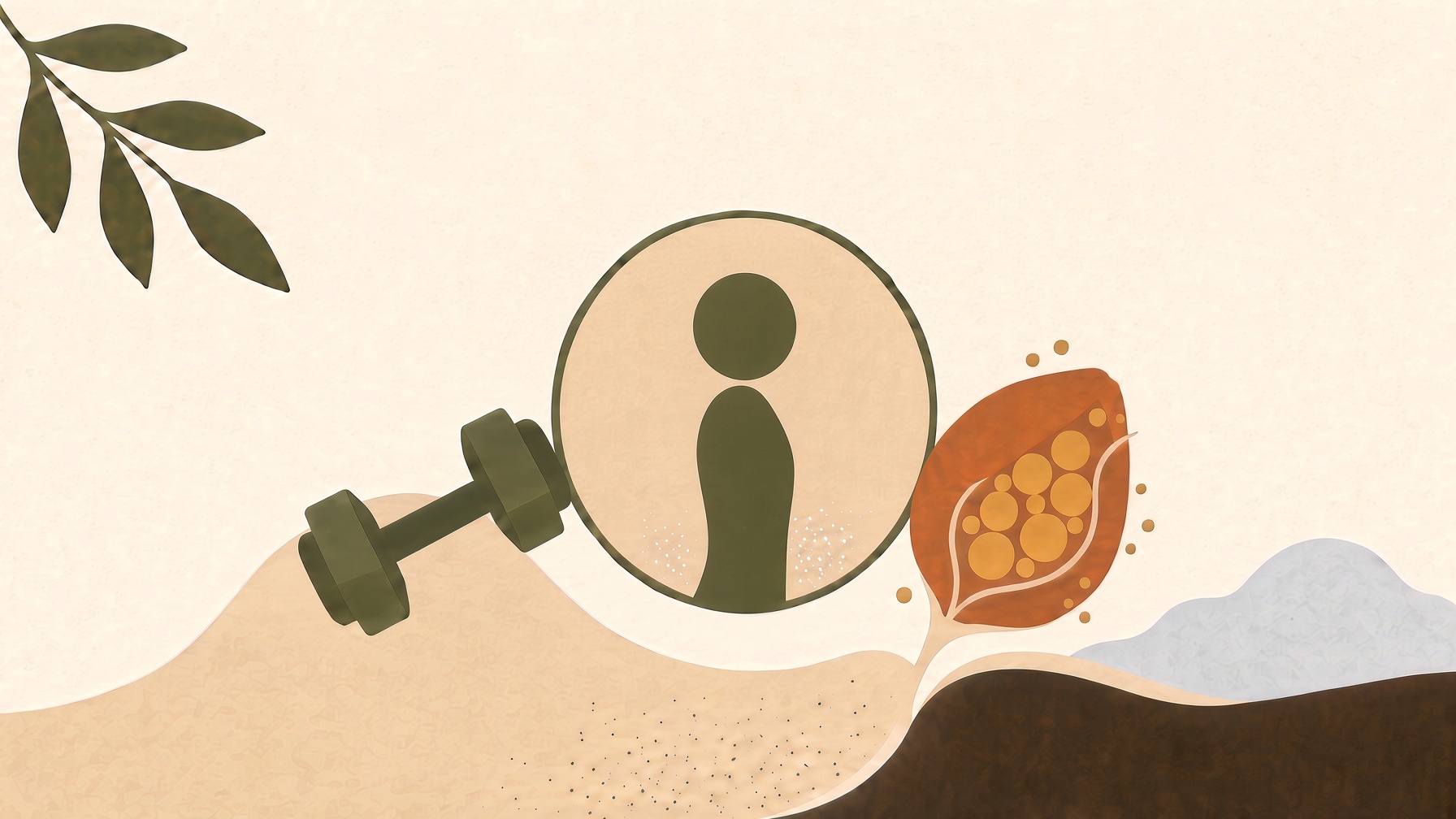
Does Your Metabolism Change as Much as You Think in Your 30s and 40s?
Midlife metabolism does not follow one universal decline, and population averages cannot explain an individual's changing calorie needs or weight.
Article-Types
From this collection
Midlife metabolism does not follow one universal decline, and population averages cannot explain an individual's changing calorie needs or weight.
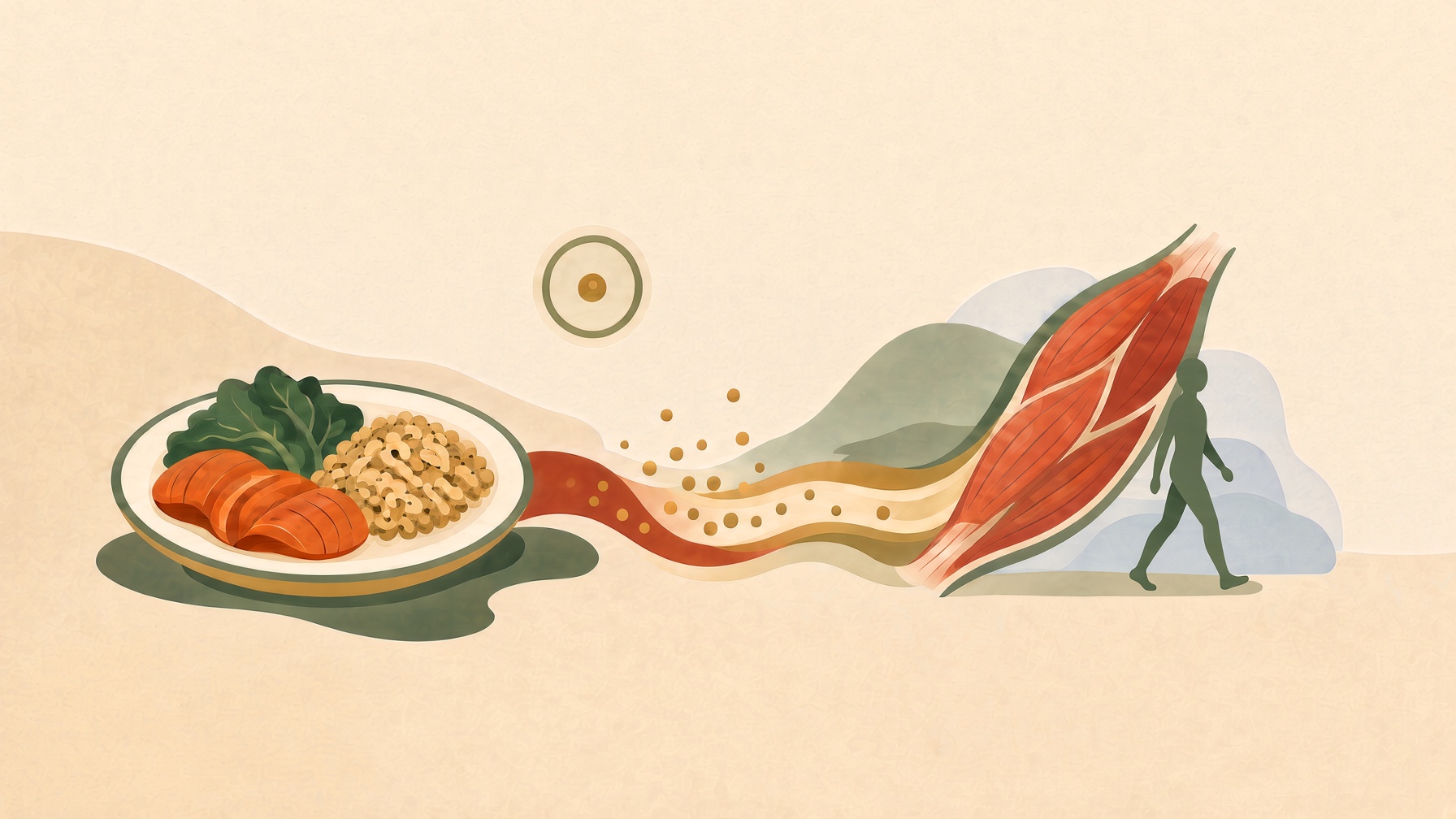
Walking after meals can reduce post-meal glucose excursions, but studies do not establish one ideal start time or a requirement to walk after every meal.

Fatty liver develops when incoming fat and fat synthesis outpace oxidation and export, so carbohydrates alone cannot explain metabolic liver fat.

Stretching can increase range of motion, but evidence does not establish that a stretch before one workout protects against injury in that session.
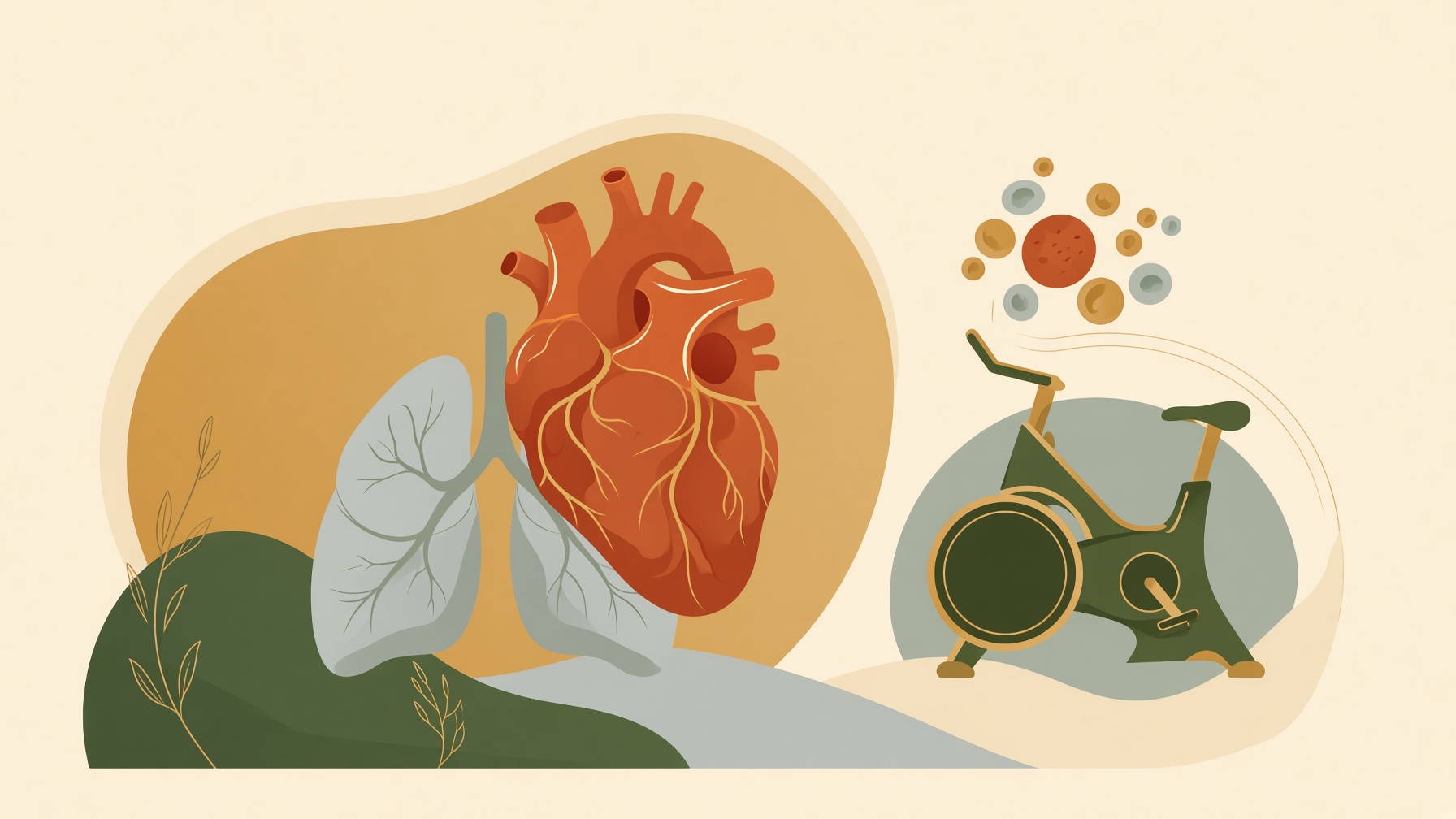
Submaximal fitness tests can estimate aerobic capacity without maximal effort, but accuracy depends on the protocol and the person tested.
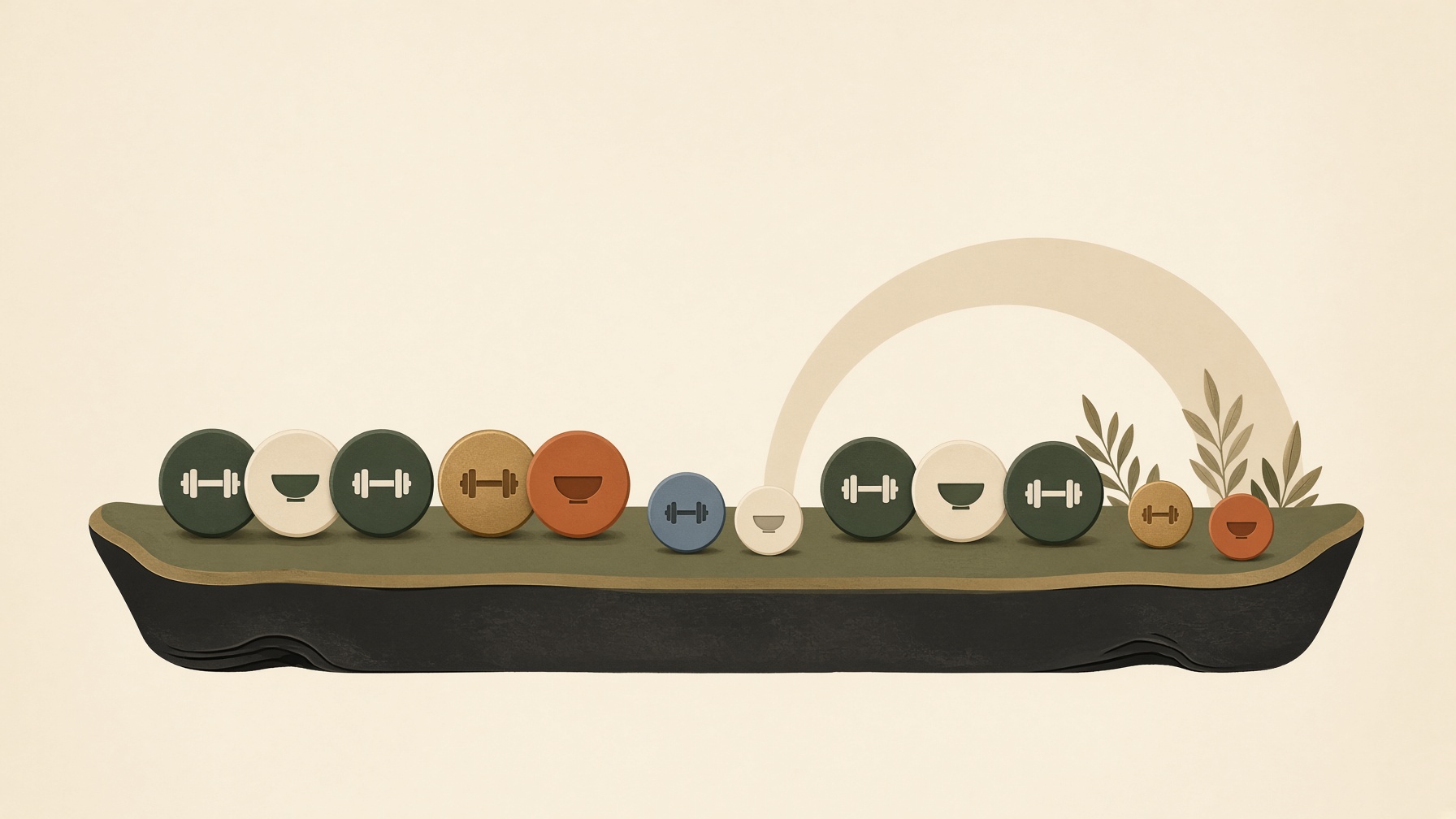
Lapse and relapse describe different patterns of behavior change, but research offers no fixed number of missed days that separates the two.

A higher resting heart rate can reflect several influences, so a change from your usual pattern cannot identify its cause on its own.
Overtraining syndrome cannot be diagnosed from one symptom or test, so persistent underperformance requires assessment of recovery and other possible causes.
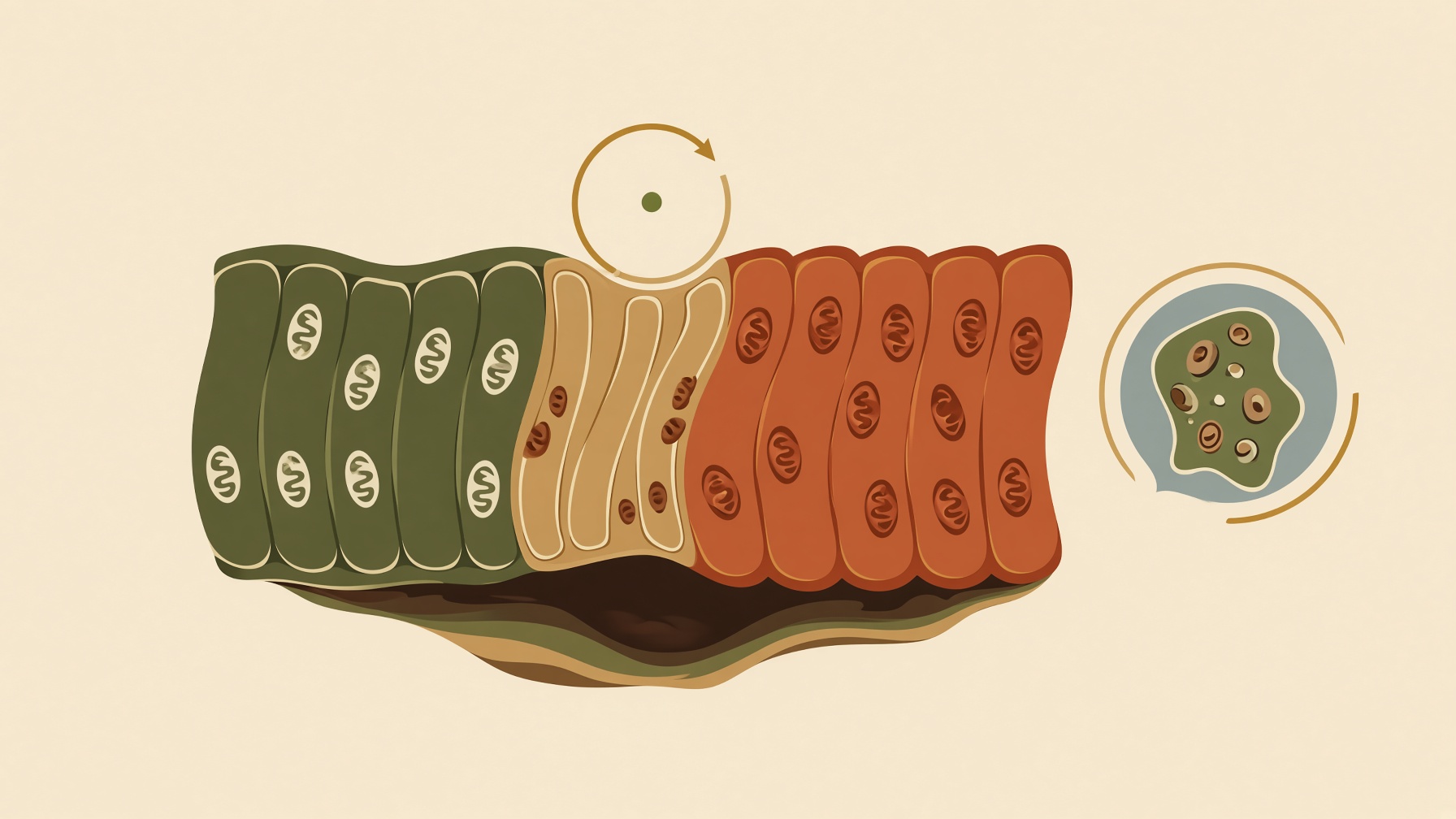
Muscle fibers can adapt to training without changing their type label, because myosin-based categories capture only part of a fiber’s properties.

A small VO₂max change can reflect measurement error and everyday variation, so one training result cannot establish a fixed limit on future adaptation.
Fast and slow weight loss can differ beyond the scale, so comparing outcomes requires attention to body composition and the support within each program.

Heat may add to stretching’s range-of-motion benefits in some protocols, but inconsistent evidence does not establish a reliable advantage.