
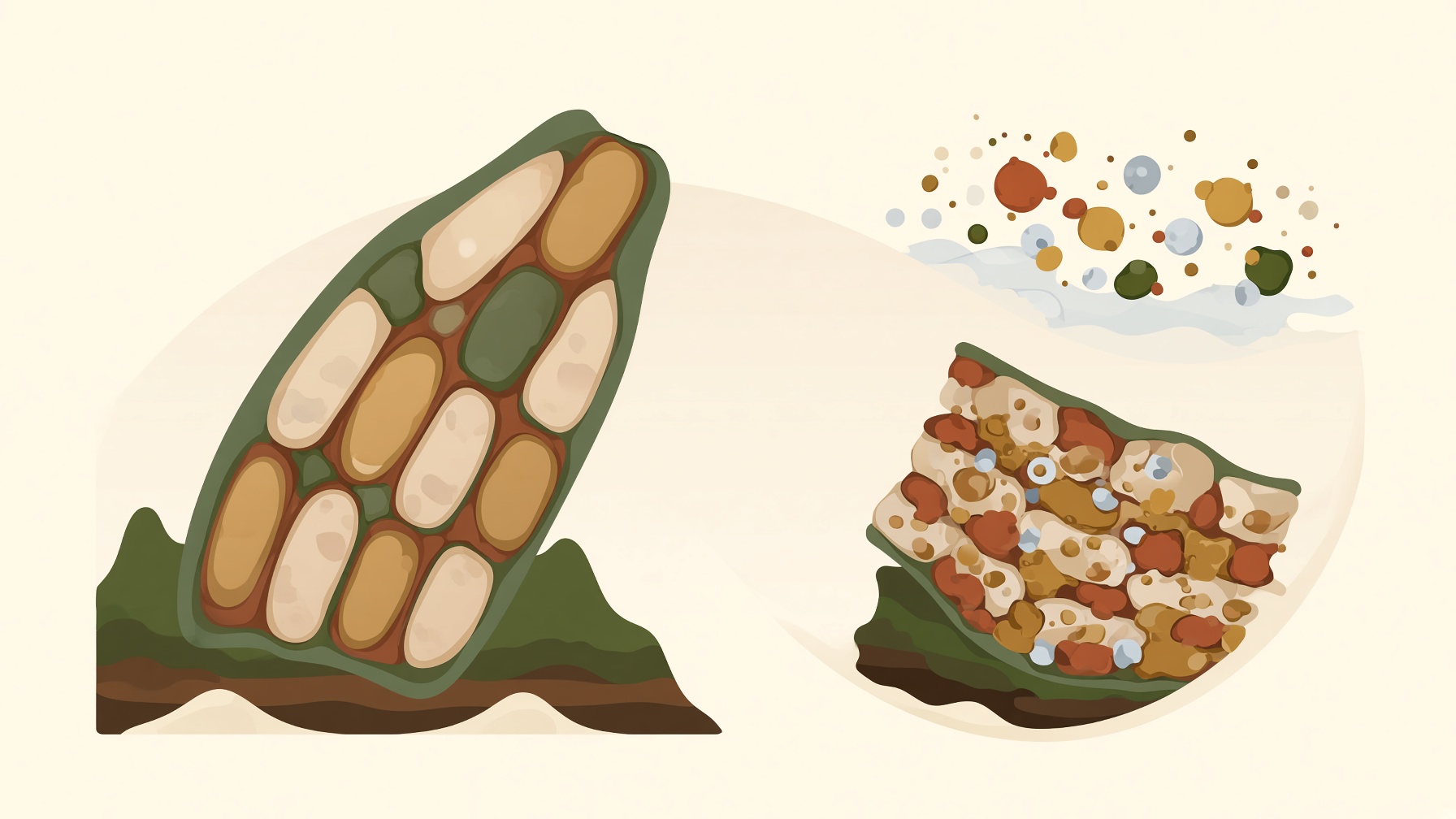
Tasks that once felt easy can become more difficult with age, partly because skeletal muscle no longer produces force and power in quite the same way. These changes do not come from one part of the muscle failing or from a single age-related adaptation. Aging gradually affects the amount, composition, and characteristics of muscle tissue, and several of these changes can influence physical performance at the same time. Looking at them together helps explain why both strength and rapid force production can decline later in life.
Aging is associated with a loss of skeletal-muscle fibers. At the same time, aging muscle can show increased adipose infiltration as well as remodeling of the extracellular matrix and connective tissue as contractile tissue is lost or altered. These changes mean that the composition of muscle can shift along with the loss of muscle fibers themselves. As a result, aging can affect not only how much contractile tissue remains, but also what occupies the space within the muscle .1
These structural changes can affect how much force and power a muscle is able to produce. Loss of contractile tissue and greater intramuscular fat can reduce the muscle’s ability to generate force efficiently. A decline in overall muscle mass can further contribute to age-related losses in strength .1
Fast Type II fibers add another part of the picture. These fibers are especially important for movements that require force to be produced quickly, and Type IIx fibers have particularly fast contractile characteristics. With aging, preferential atrophy and loss of Type II fibers can reduce the muscle’s capacity for rapid, powerful contractions. This helps explain why muscle power may be especially sensitive to age-related changes in fiber characteristics .1,2
Age-related changes in muscle are therefore better viewed as a gradual shift in how the tissue is built and how effectively it can perform. A muscle may still contract, but its ability to generate high forces or respond quickly can become more limited as several changes accumulate over time. This distinction also helps explain why strength and power do not necessarily decline at the same rate. Aging muscle remains functional, but the qualities that support demanding or rapid movements can become increasingly difficult to maintain.
Join the discussion
No account or email is required. Your display name and comment will be public.