How Are the Tiny Filaments Inside Your Muscles Arranged?
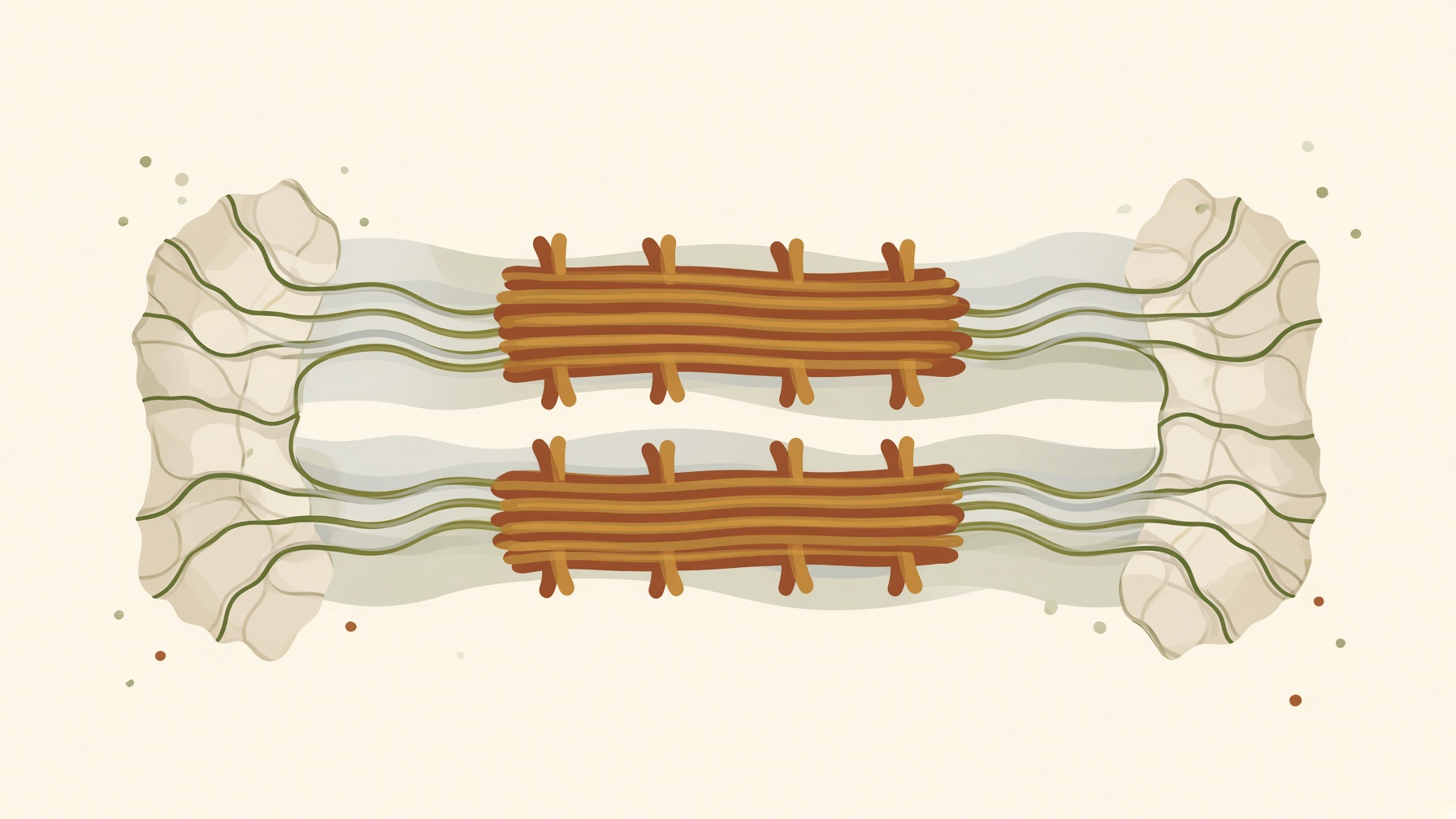
Sarcomeres shorten as thin filaments slide alongside thick filaments, increasing overlap without reducing the length of the filaments themselves.
Wikis
Skeletal muscle is one of the three major types of muscle tissue, alongside cardiac and smooth muscle. It is composed of long, cylindrical muscle cells called muscle fibers, which typically contain many nuclei. Most skeletal muscles attach to bones through tendons and generate forces that move or stabilize parts of the skeleton, although skeletal muscle also occurs in structures such as the tongue and diaphragm .1
Skeletal muscle has a striated appearance under a microscope because its contractile proteins are arranged into repeating units called sarcomeres. Within each sarcomere, thin filaments containing actin and thick filaments containing myosin interact to generate force. Many sarcomeres joined end to end form myofibrils, which run along the length of each muscle fiber .1,2
Contraction is normally initiated by signals from somatic motor neurons. At the neuromuscular junction, a nerve signal triggers electrical activity in the muscle fiber, leading to the release of calcium from intracellular stores. Calcium binds to troponin, changing the position of tropomyosin and allowing actin and myosin to interact. ATP supports the resulting cycle of molecular interactions that generates force and, when mechanical conditions allow, muscle shortening .1,2
Skeletal muscle differs from smooth muscle, which lacks sarcomeres and visible striations, and from cardiac muscle, which is striated but forms the muscular wall of the heart and is organized into interconnected cardiomyocytes. Skeletal muscle is generally under voluntary motor control, although many of its activities, such as postural adjustments and breathing, can also occur without conscious attention .1,2
From this collection
Sarcomeres shorten as thin filaments slide alongside thick filaments, increasing overlap without reducing the length of the filaments themselves.
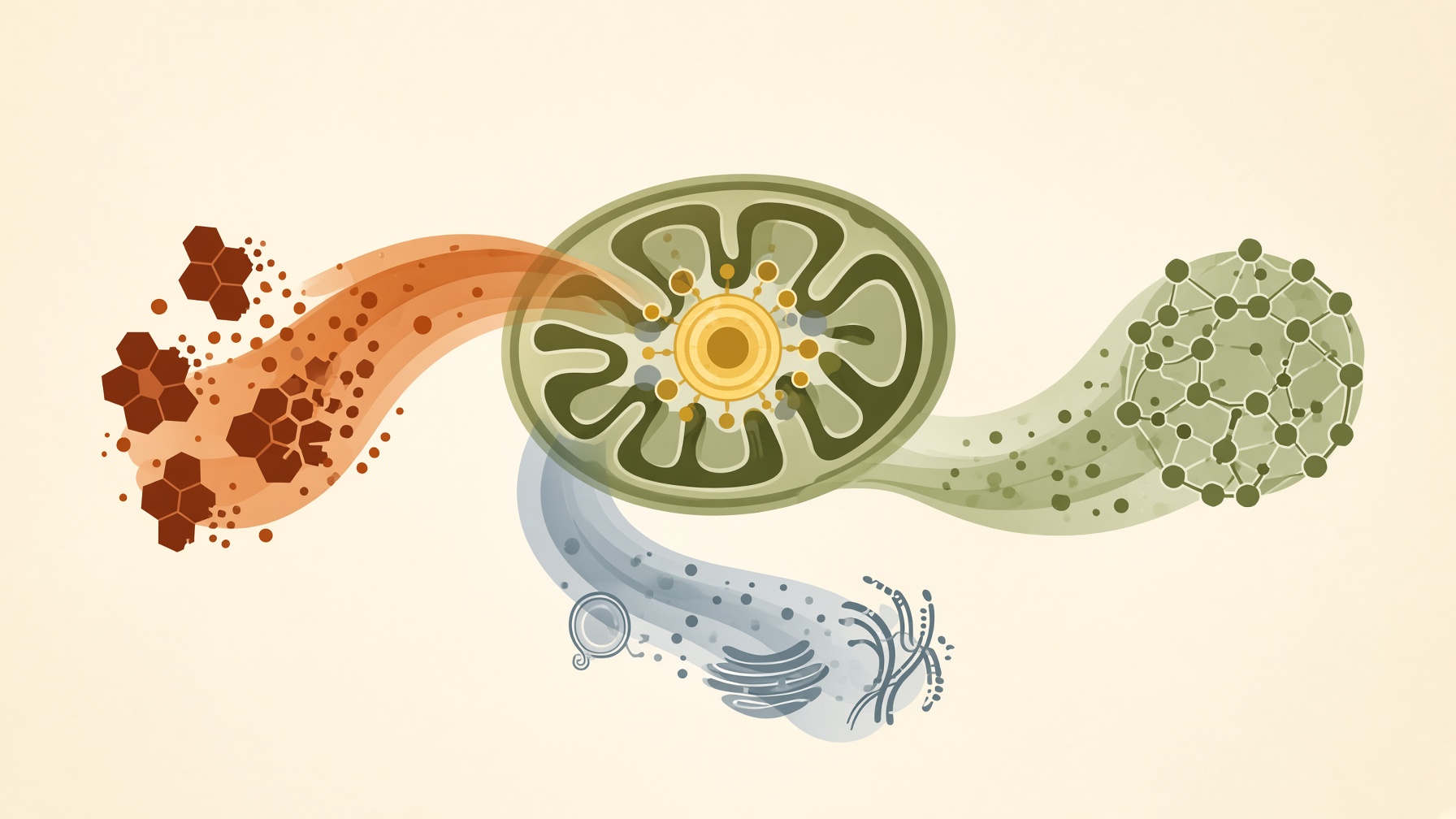
Metabolism links the breakdown and building of molecules through energy transfers, with ATP powering much of the work that cells perform.
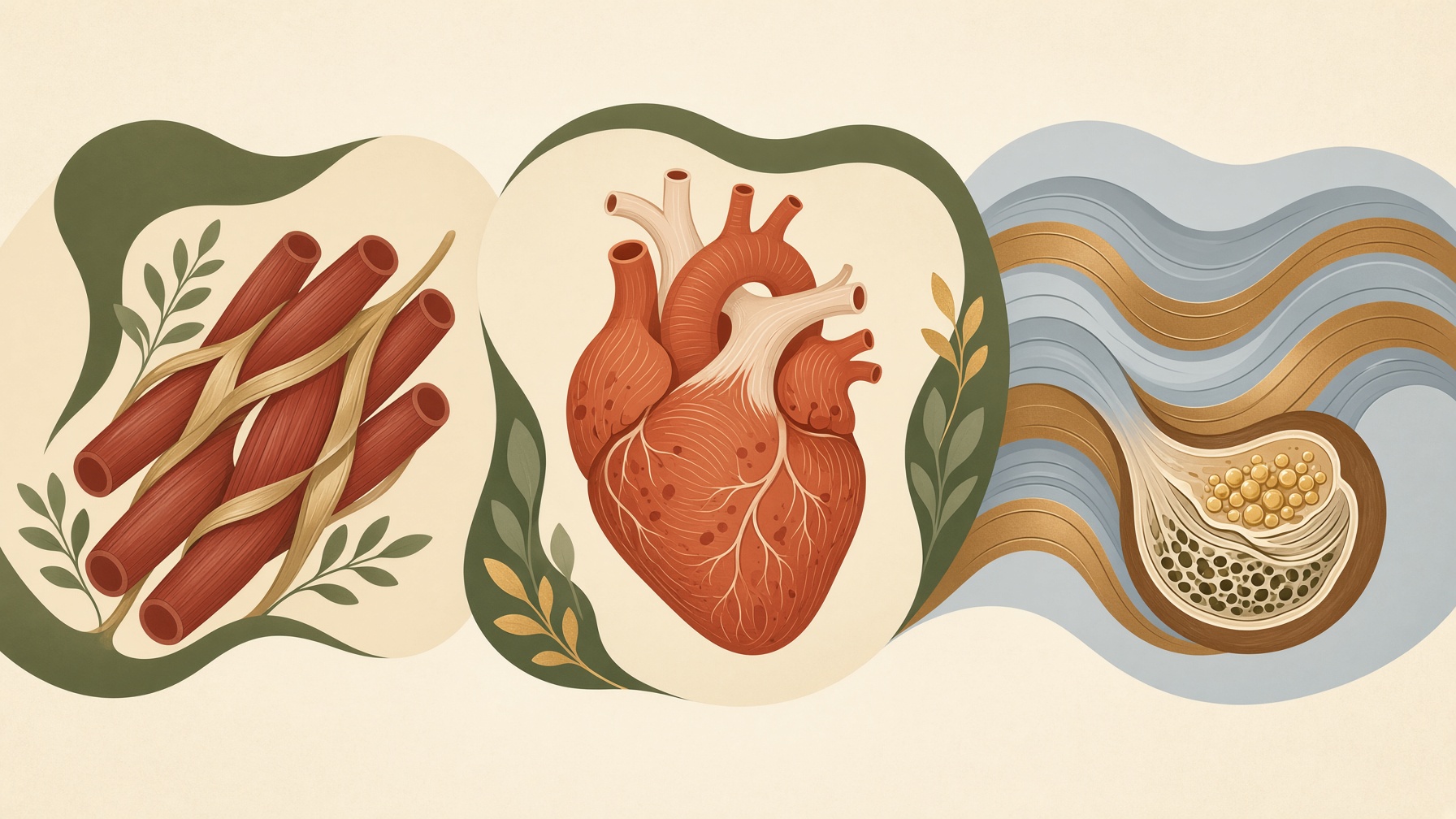
Skeletal, cardiac, and smooth muscle share the ability to contract, but differences in cell structure and control suit each to different tasks.