
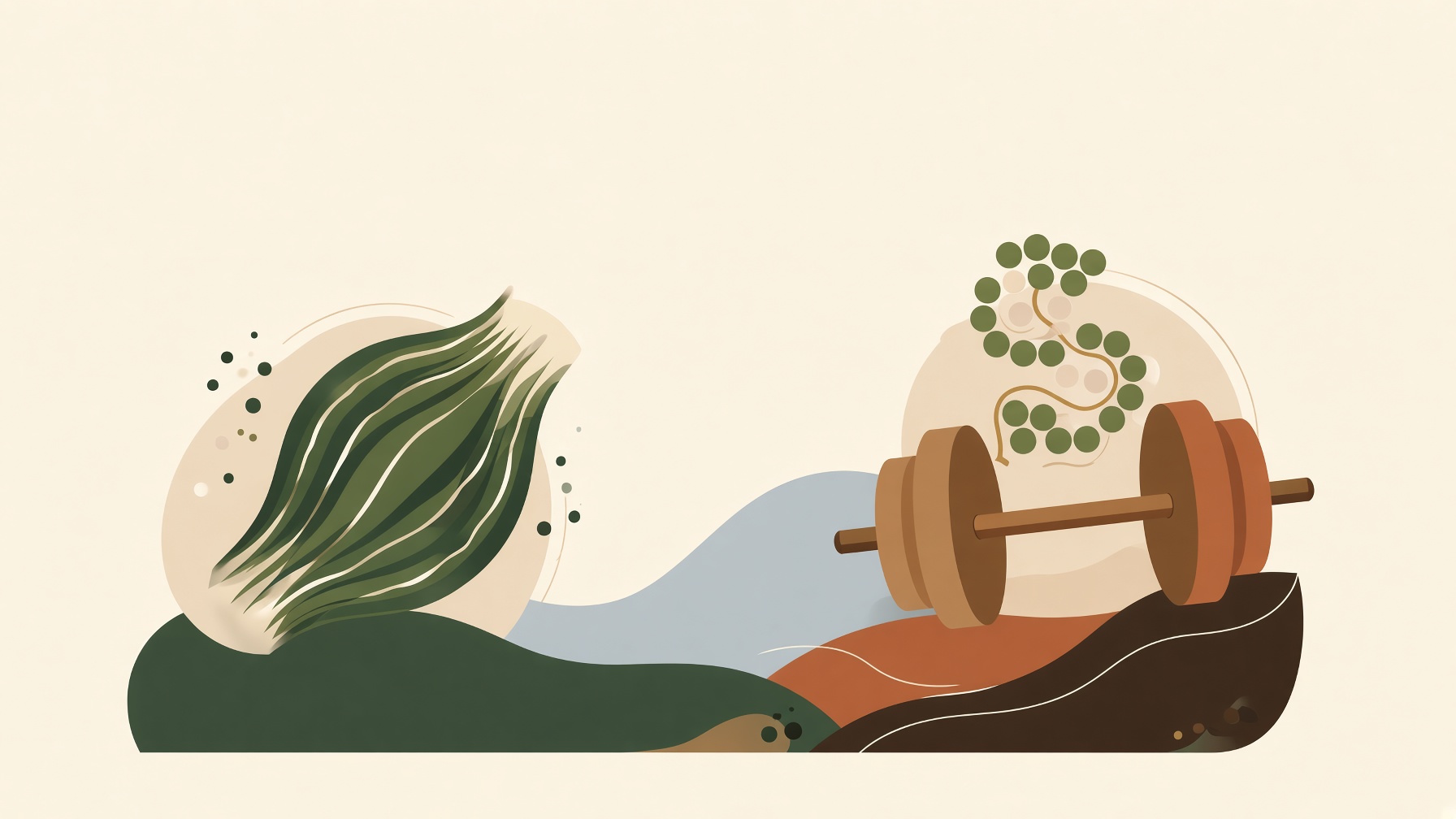
A weight, distance, or workload that once felt challenging often becomes much more manageable after weeks of consistent training. The workout itself may not have changed, but the person performing it has. Training adaptations allow the body to handle a familiar demand more effectively, which eventually raises an important question: what happens when the original challenge is no longer challenging enough?
Repeated exercise training produces physiological adaptations that are specific to the training stimulus. Those adaptations are not identical for everyone or every program; their type and magnitude depend on factors including training dose, exercise mode, recovery, and training status. As fitness improves, a fixed workload can represent a smaller challenge relative to the person’s current capacity .1
Progressive overload involves gradually adjusting the training stimulus so that it continues to provide an appropriate challenge. It does not simply mean continually adding more weight. Depending on the goal, progression might involve changes in resistance, repetitions, volume, or other training variables. The timing should not be automatic, however. Progression is better tied to performance and recovery than to a rule that something must become harder after every workout or according to a fixed timetable .1
Increasing external resistance is one possible way to apply the principle. For example, increasing squat resistance from 50 pounds to 55 pounds after the original load has become manageable can represent one form of progression. That increase is an illustration, not a standard increment that applies to every person. Whether such a change is appropriate depends on factors including the lifter’s technique, repetitions, recovery, and goals. Progressive overload can be used to develop muscular strength, but heavier resistance is only one possible way of progressing training demands .1
Progressive overload makes more sense when it is viewed as a response to improvement rather than a demand to make every workout harder. As training changes what the body is capable of doing, the program can change with it. Sometimes that may mean using more resistance, while at other times progress may come from performing more work or improving how a given workload is handled. The goal is not constant escalation, but keeping the training stimulus appropriate for the ability being developed.
Join the discussion
No account or email is required. Your display name and comment will be public.