

Do Women Need Different Recovery Nutrition?
Recovery nutrition research in female athletes remains too limited to justify rigid menstrual-cycle diets, despite real hormonal differences.
Wikis
Exercise is a form of physical activity that is planned, structured, repetitive, and performed with the purpose of improving or maintaining one or more components of physical fitness. Unlike incidental movement during everyday life, exercise involves intentional organization of activity toward a fitness-related objective .1,2
Exercise can be organized by variables such as type, intensity, duration, and frequency. Different forms place different demands on the body. Aerobic exercise emphasizes sustained activity involving large muscle groups, while resistance exercise involves muscles working against resistance. Other forms can emphasize qualities such as flexibility, balance, or neuromotor control .2
Exercise is a subset of physical activity, not a synonym for it. Physical activity includes bodily movement produced by skeletal muscles that results in energy expenditure, including movement during work, transportation, household tasks, recreation, and exercise. An activity can therefore count as physical activity without meeting the more specific definition of exercise .1,2
Exercise should also be distinguished from physical fitness. Exercise describes an activity that a person performs, whereas physical fitness refers to measurable attributes such as cardiorespiratory fitness, muscular strength, or flexibility. Exercise is one means by which these attributes can be maintained or improved .1
From this collection
Recovery nutrition research in female athletes remains too limited to justify rigid menstrual-cycle diets, despite real hormonal differences.
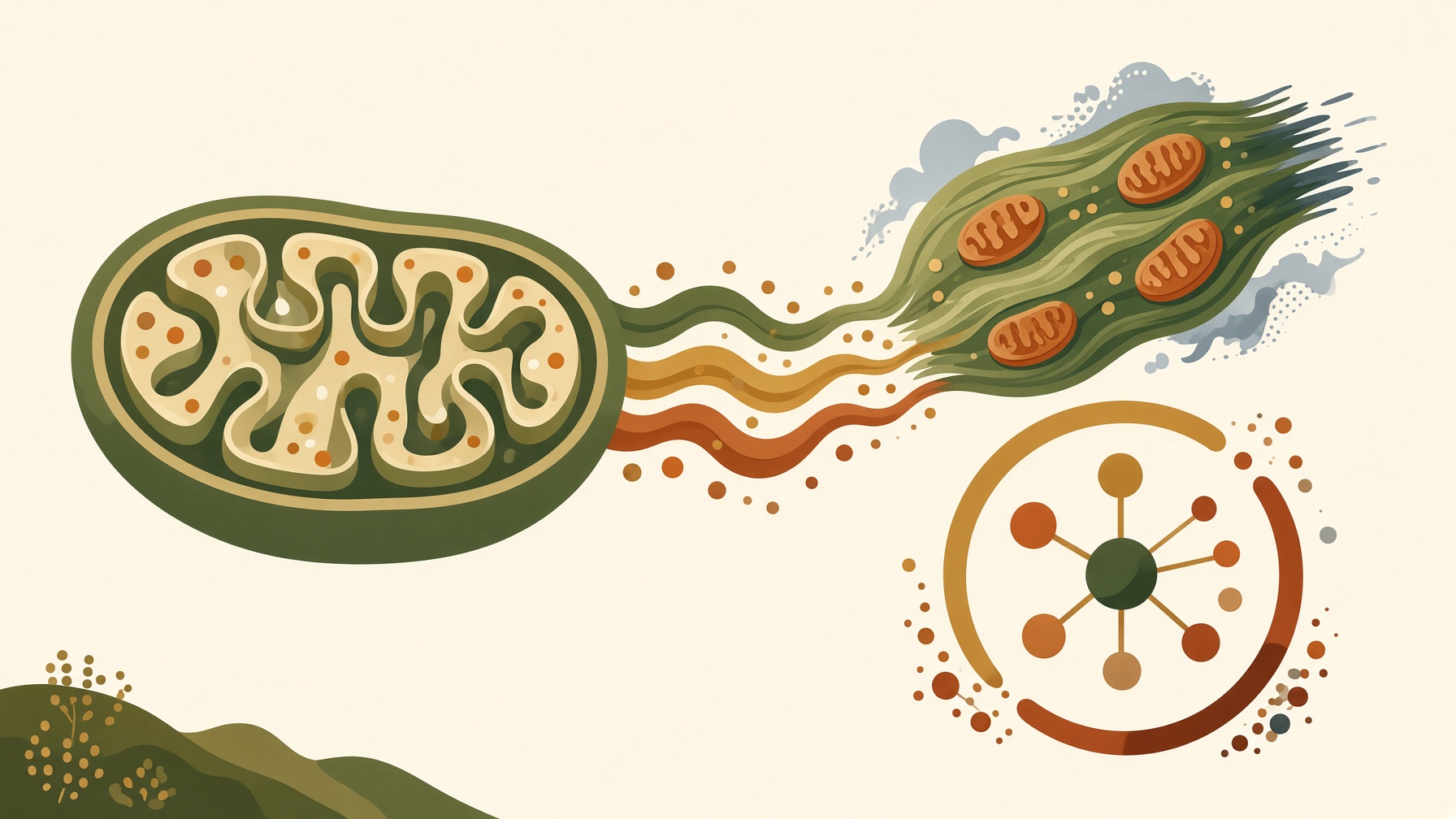
ATP regeneration draws on overlapping energy pathways whose contributions shift with exercise demands, keeping muscle work supplied with usable energy.

Macronutrients provide different metabolic options after digestion, so carbohydrate, protein, and fat do not serve interchangeable roles in the body.

Redox reactions pair electron loss with electron gain, allowing metabolic pathways to transfer reducing power between molecules inside cells.

Supersets and circuits link separate exercises, whereas drop sets extend the same exercise by lowering resistance after fatigue builds.

Pyramid training changes load and repetition targets across multiple sets, while single-set and multi-set labels describe how many sets occur.

Resistance-training technique depends on the movement and the person, so a useful form cue in one exercise may be unsuitable in another.
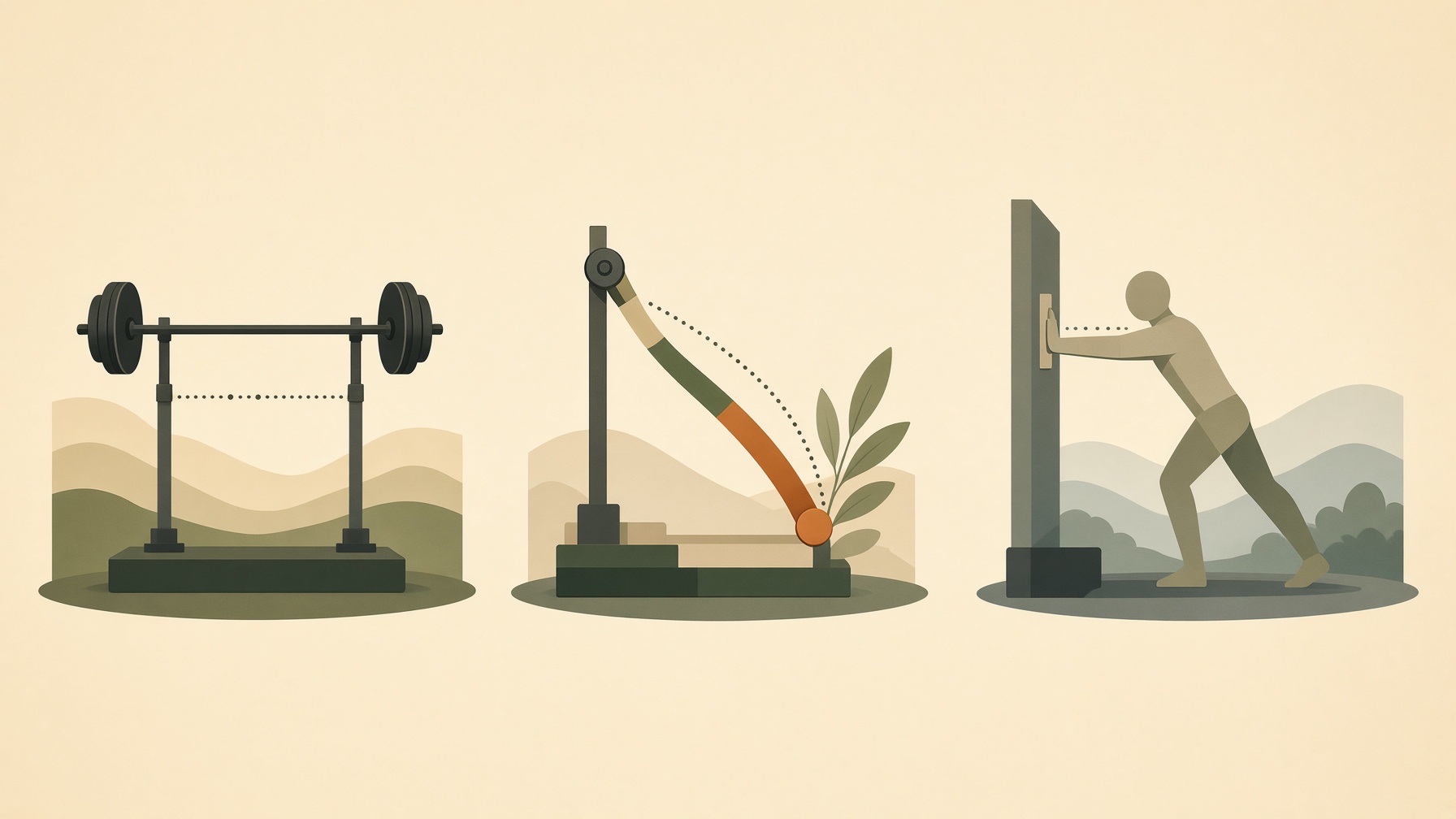
Resistance-training formats create different mechanical demands, and a constant external weight does not mean constant effort across a repetition.

Exercise order changes how much fatigue a lifter brings to each movement, so placing priority exercises earlier can support their performance.

A simple resistance-training program builds a repeatable routine around major muscle groups, with demands that can change as performance improves.

Plyometric progression should match the demands of each jump to the person’s control and capacity, rather than follow a universal ladder of difficulty.

Balance training becomes more demanding through changes in support and task demands, with useful progress tied to the control a person needs.