
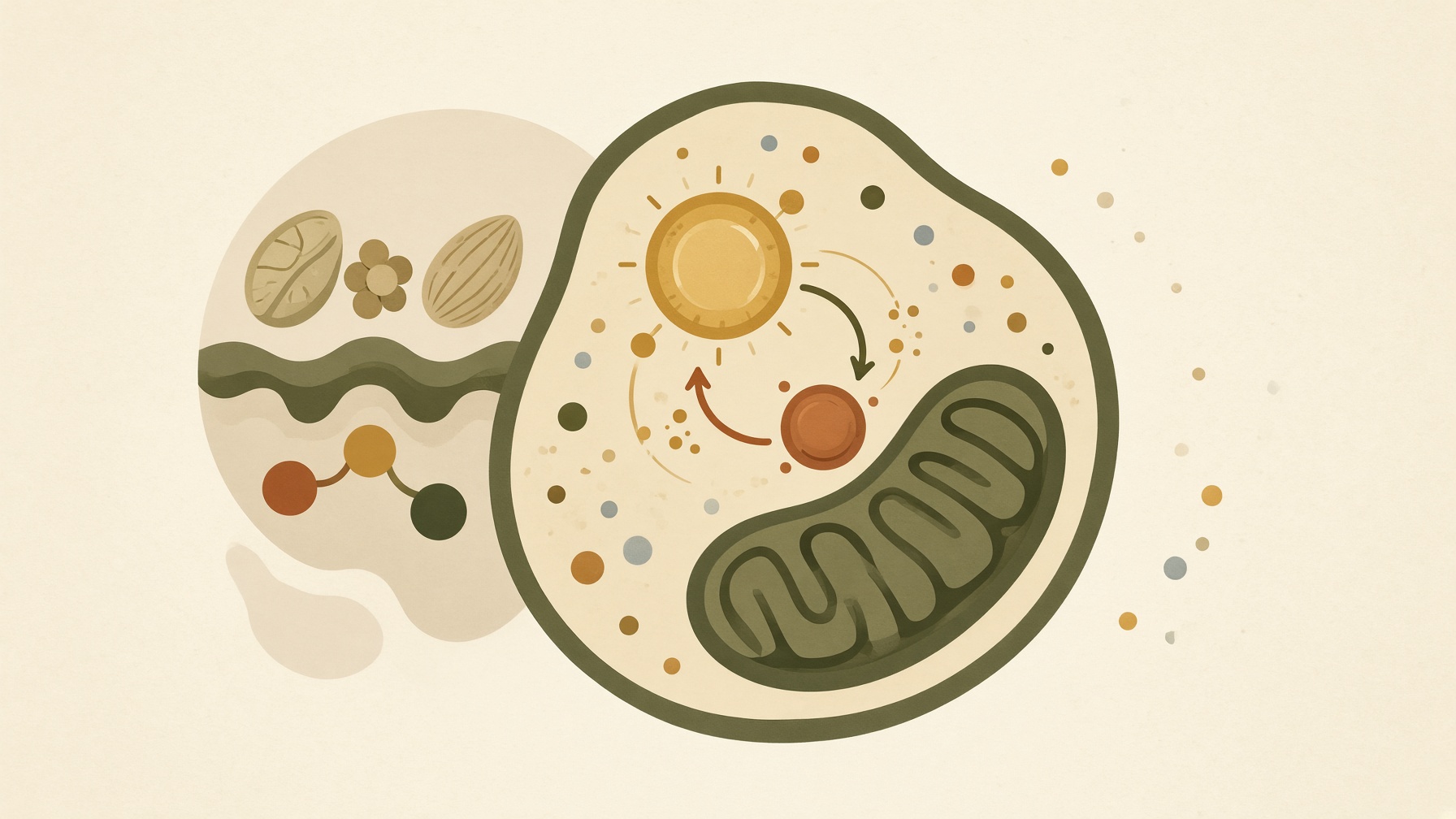
How Cells Keep Their Energy Supply Going
Cells repeatedly regenerate ATP as cellular work consumes the small available supply, making continuous turnover more important than stockpiling.
Wikis
ADP, or adenosine diphosphate, is a nucleotide that plays a central role in cellular energy metabolism. It consists of adenosine, which contains the nitrogenous base adenine and the sugar ribose, attached to two phosphate groups. ADP is closely related to ATP, or adenosine triphosphate, which has three phosphate groups .1,2
ADP is formed in many cellular reactions when ATP is hydrolyzed to ADP and inorganic phosphate. The overall hydrolysis reaction produces a decrease in free energy that cells can couple to processes such as active transport, muscle contraction, and biosynthesis. ADP is not simply a waste product of ATP use. It can be phosphorylated again to regenerate ATP, allowing continuous cycling between these nucleotide forms .1,2
Much of this regeneration occurs through oxidative phosphorylation in mitochondria. ATP synthase uses energy from an electrochemical proton gradient to combine ADP with inorganic phosphate, producing ATP. ADP can also be converted to ATP by substrate-level phosphorylation in metabolic pathways such as glycolysis .1,2
ADP, ATP, and AMP differ primarily in the number of phosphate groups attached to adenosine. ATP contains three, ADP contains two, and AMP contains one. Their interconversion is an important part of the system by which cells maintain and regulate their supply of ATP .1,2
From this collection
Cells repeatedly regenerate ATP as cellular work consumes the small available supply, making continuous turnover more important than stockpiling.
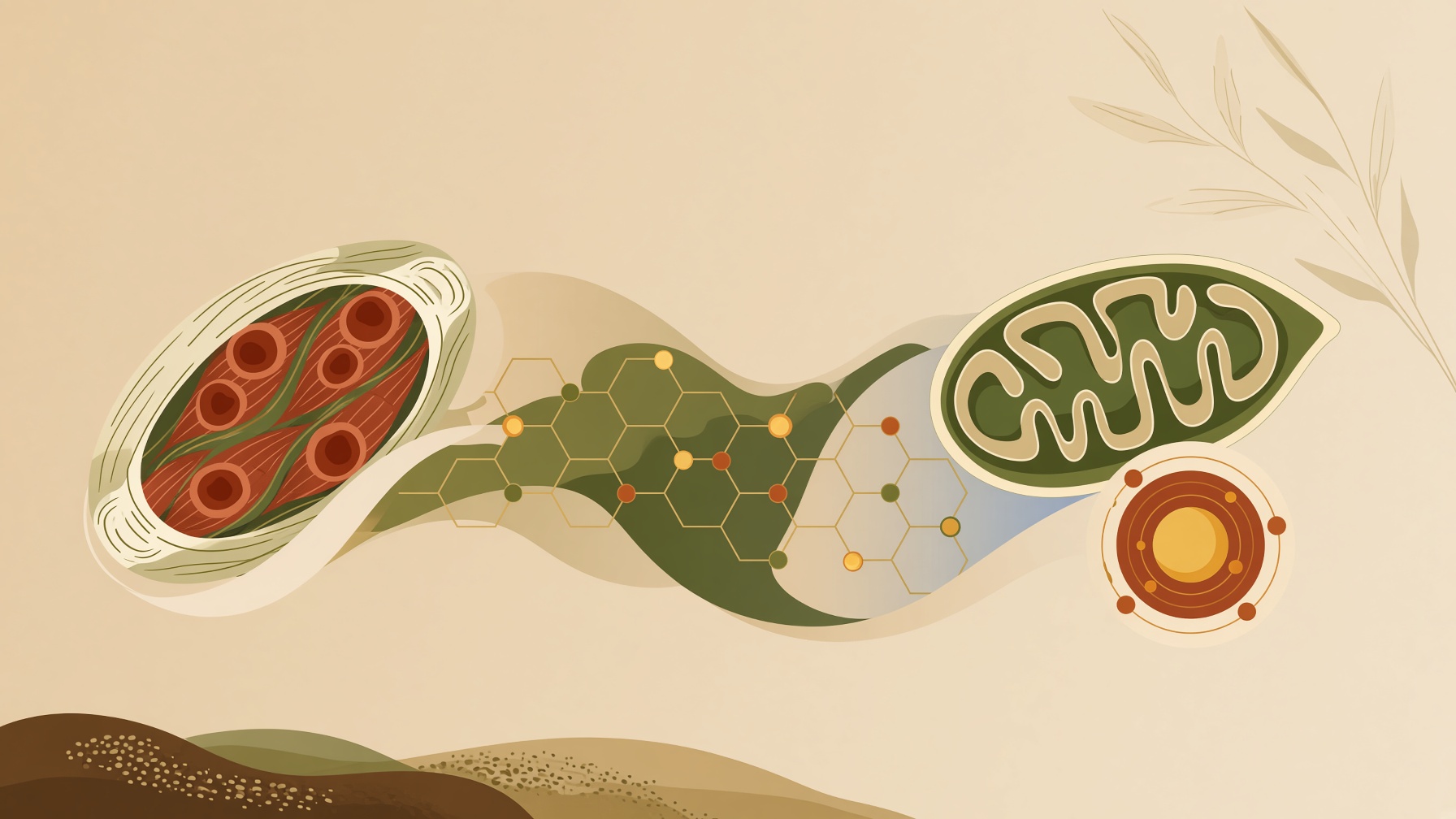
Glycolysis helps muscle replenish ATP quickly during intense exercise while other energy pathways continue contributing at the same time.
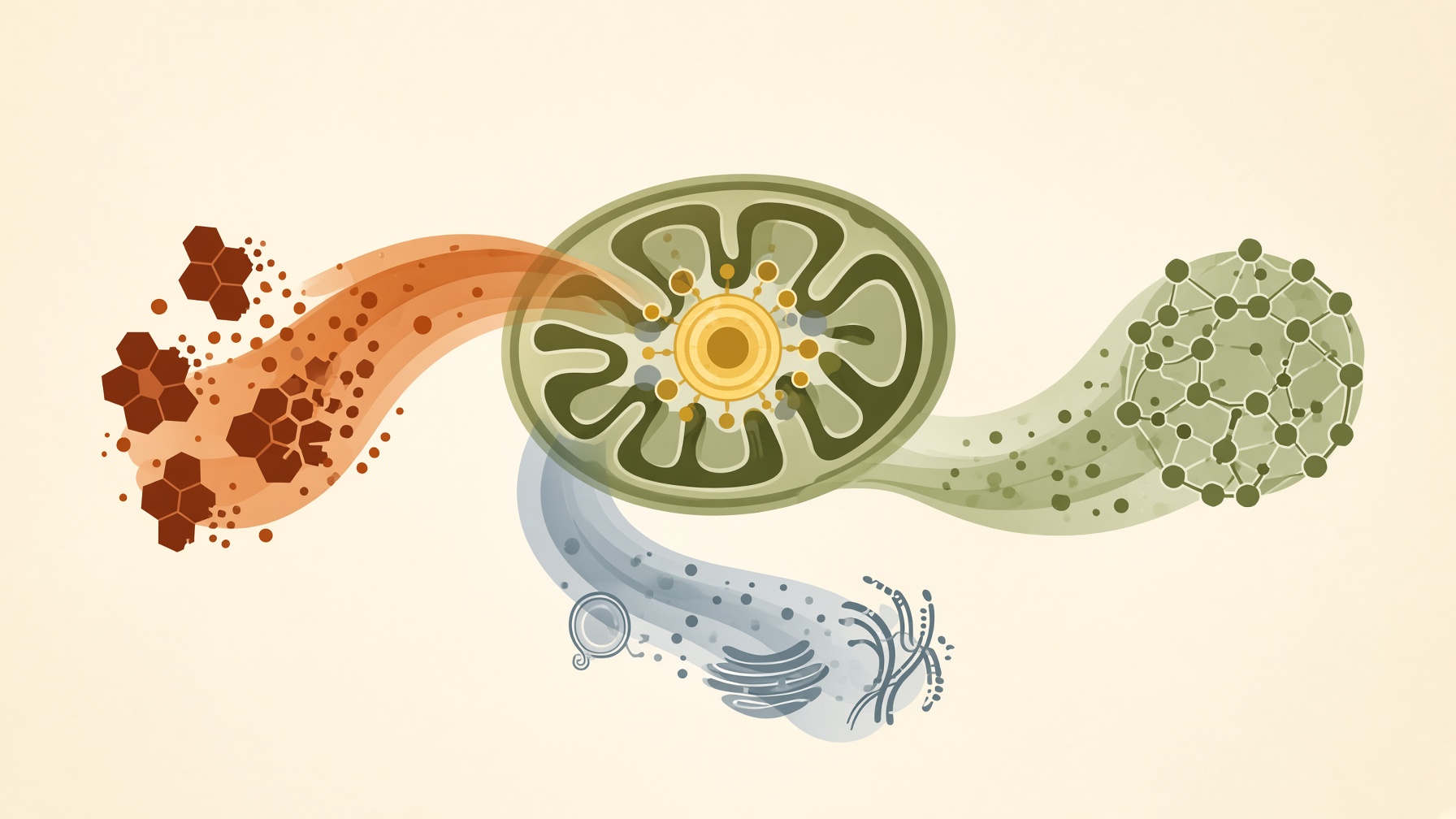
Metabolism links the breakdown and building of molecules through energy transfers, with ATP powering much of the work that cells perform.
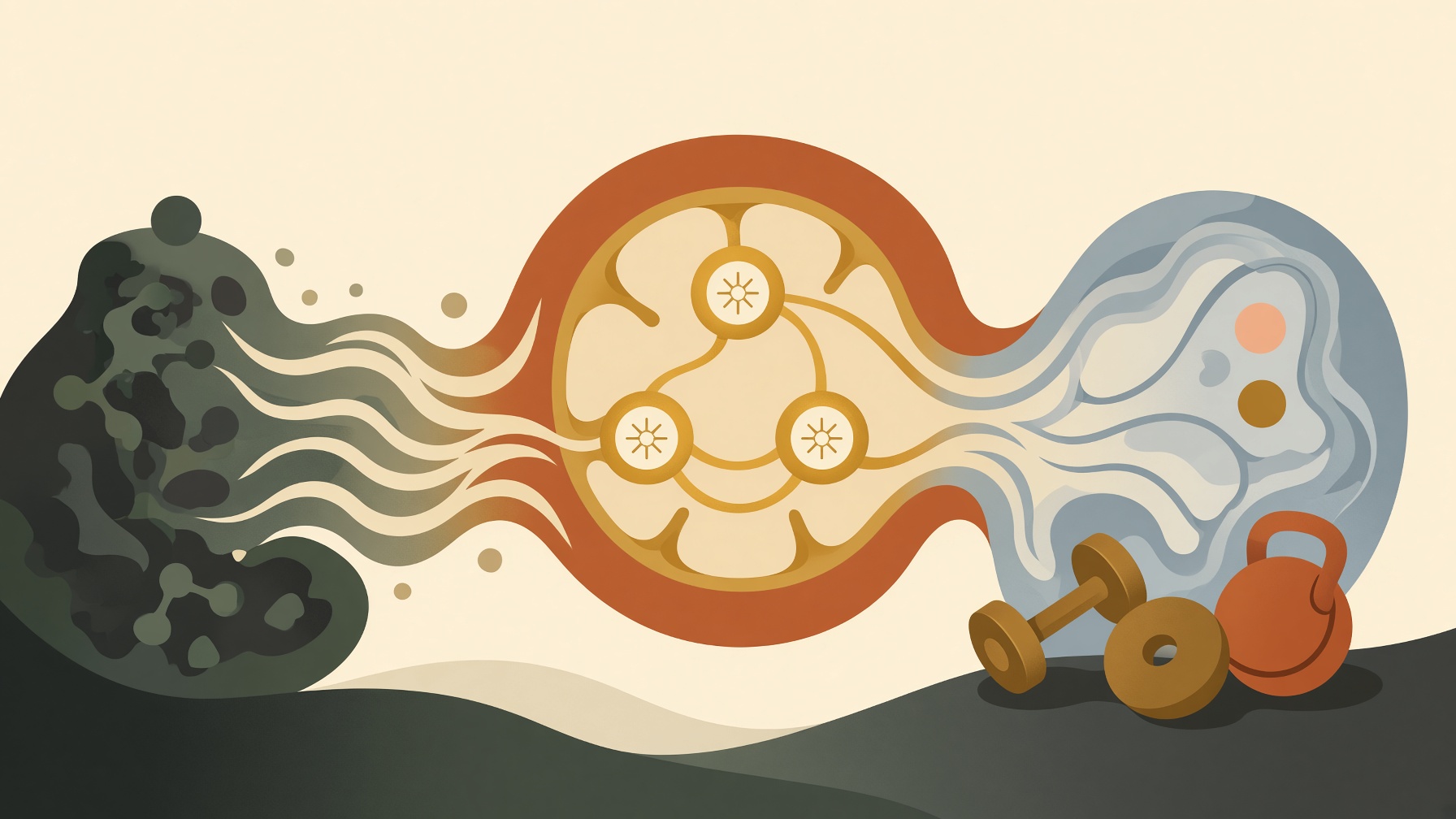
Exercise energy systems work together to replenish ATP, with intensity and duration shifting each pathway’s share rather than switching systems on.